
Indian air force day 2025: Saluting India’s warriors in the sky. Where they train, how to join and the rank structure explained
1/7
Touching the sky with glory
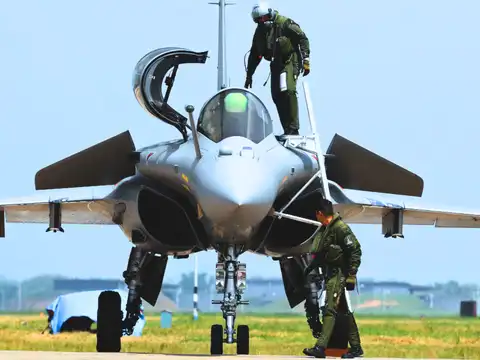
From a handful of biplanes in 1932 to a modern force safeguarding the nation’s skies, the Indian Air Force stands on discipline, courage, and relentless training. Air Force Day is a salute to every aviator and air warrior—past, present, and future—whose skill and sacrifice keep the tricolor flying high.
2/7
How the story begins: 8 October 1932
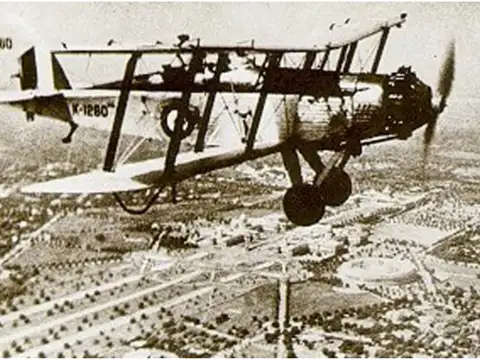
The Indian Air Force was officially established on 8 October 1932; its first squadron formed on 1 April 1933 with early biplanes under British oversight, marking the birth of India’s air arm that would later drop the “Royal” prefix in 1950 as the Republic era began. Air Force Day is observed each year on 8 October to honor this founding and the people who protect India’s skies.
3/7
Growing wings: early years to modernization
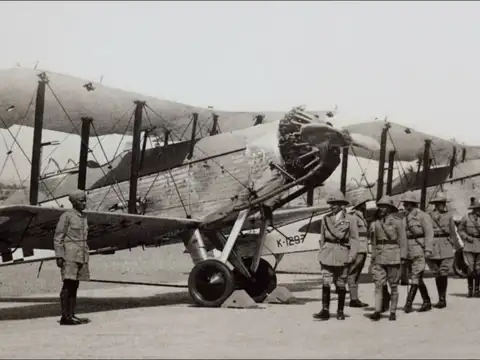
From a few aircraft, the IAF expanded through the 1950s–70s with new fighters and transports, building training schools, a maintenance command, and adopting jets like MiG‑21, Mystère, Hunter, and Canberra to modernize capabilities and readiness across India’s regions. This period laid today’s wide command-and-base network supporting both combat and humanitarian missions.
Amazon Top Deals
POWERED BY

atomberg Studio Smart+ 1200mm BLDC Ceiling Fan with IoT & Remote | BEE 5 star Rated Energy Efficient Ceiling Fan | High Air Delivery with LED Indicators | 3 Year Warranty (Earth Brown)
₹5,882Buy Now36%
OFF

LG 32 L Convection Microwave Oven (MC3286BRUM, Black, 360° Motorised Rotisserie for Bar-be-queing, 301 Auto Cook Menu, Stainless steel cavity, Indian Cuisine, Tandoor Se, Steam Clean & Diet Fry)
₹19,340Buy Now19%
OFF
4/7
Tested in battle: major wars and operations
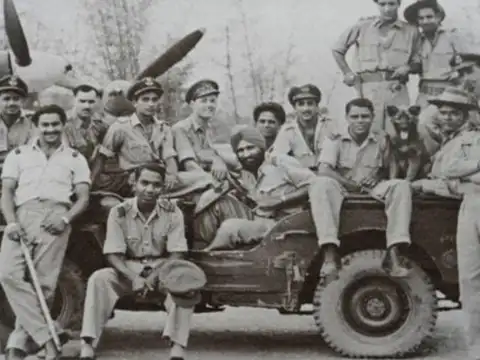
The IAF flew in World War II in the Burma theatre; post‑Independence, it was pivotal in the 1965 and 1971 Indo‑Pak wars, where air superiority and strategic strikes shaped outcomes, and later delivered high‑altitude precision support in the 1999 Kargil conflict (Operation Safed Sagar). These operations refined tactics, logistics, and joint planning that define current doctrine.
5/7
Who does what: ranks and structure
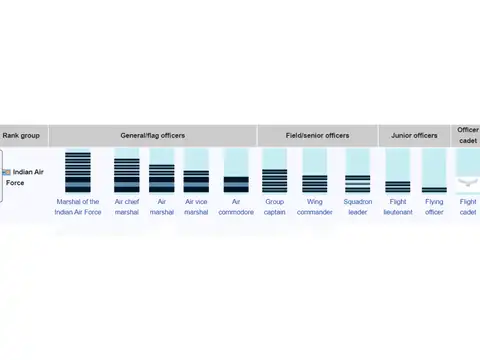
Officer ranks run from Flying Officer up to Air Chief Marshal; airmen progress from Aircraftman to Master Warrant Officer, all within a hierarchy that allocates command, technical, and specialist roles. Seven IAF commands—five operational and two functional (Training and Maintenance)—coordinate defense, training, and support across India’s skies.
6/7
How to join: paths and preparation
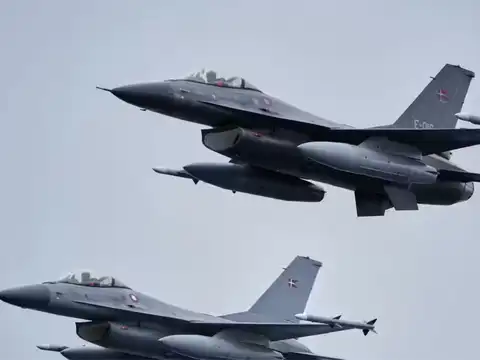
Candidates enter through the NDA after Class 12 or via AFCAT/other entries after graduation, meeting age, medical, and fitness standards, with selection through tests, interviews, and medical exams. Training builds flying skills, leadership, and technical expertise before posting to squadrons and units across commands.
7/7
Where training happens: from academy to squadron
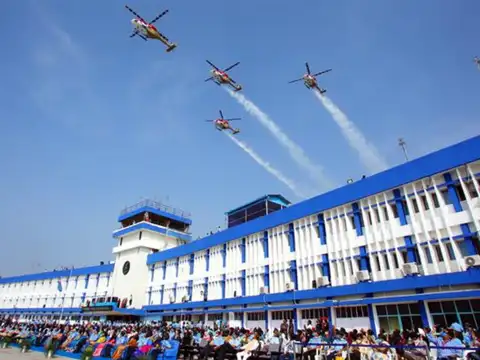
Core training occurs at the Air Force Academy, Dundigal (near Hyderabad), alongside specialized flying and technical schools; trainees progress from basic to advanced stages before operational conversion on assigned aircraft. Continuous training keeps crews current on tactics, safety, and new systems across varied terrains and missions.