
India celebrates Constitution Day on Nov 26, marking 76 years of adopting constitution in the world’s largest democracy
1/8
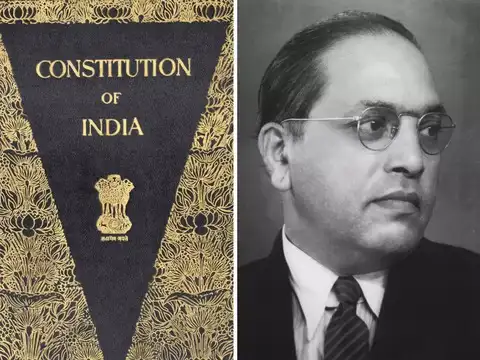
November 26, 2025: 76th Constitution Day
India gained freedom from British rule on August 15, 1947. Yet we weren't a sovereign republic yet. We needed rules, a framework, a governing skeleton. On November 26, 1949, India's Constituent Assembly adopted its Constitution after nearly three years of intricate drafting. Today, this historic document—and the visionary leadership of Ambedkar's committee—remains the bedrock of the world's largest democracy, uniting a bewilderingly diverse nation under one legal framework.
2/8
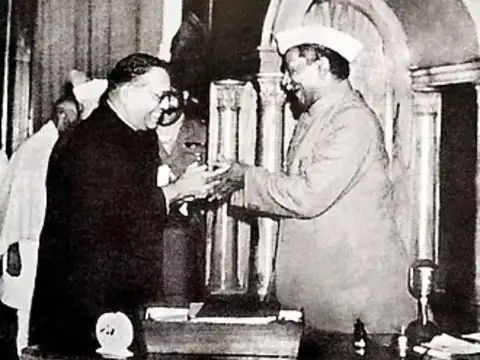
The birth of the Constituent Assembly (1946)
In 1946, India elected 389 members to draft its Constitution. This Assembly wasn't a foreign import; it was elected by Indian representatives to reflect India's will. Dr. Rajendra Prasad chaired; the real intellectual firepower lay elsewhere, waiting to be unleashed.
3/8
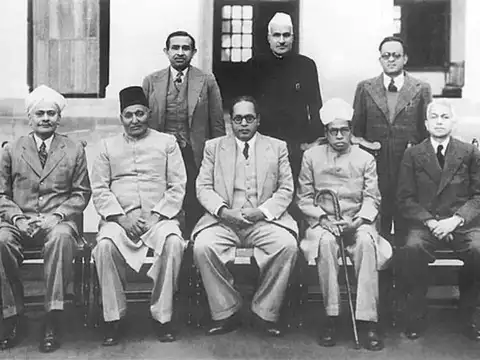
August 29, 1947: The Drafting Committee takes shape
The Assembly appointed a seven-member Drafting Committee. Dr. Bhimrao Ramji Ambedkar became Chairman. Other stalwarts: Alladi Krishnaswami Iyer, K.M. Munshi, N. Gopalaswami, Muhammed Saadulla, and two others who'd later be replaced due to illness and death—testament to the grueling work ahead.
Amazon Top Deals
POWERED BY

Crompton Ozone 75 Litres Desert Air Cooler for home | Large & Easy Clean Ice Chamber | 4-Way Air Deflection | High Density Honeycomb Pads | Everlast Pump | Auto Fill| 3 Year Brand Warranty
₹9,798Buy Now43%
OFF

LG 32 L Convection Microwave Oven (MC3286BRUM, Black, 360° Motorised Rotisserie for Bar-be-queing, 301 Auto Cook Menu, Stainless steel cavity, Indian Cuisine, Tandoor Se, Steam Clean & Diet Fry)
₹18,490Buy Now23%
OFF
4/8
The first draft: February 21, 1948
For seven months, Ambedkar's committee labored. On February 21, 1948, they unveiled the first draft: 395 articles, 8 schedules, 22 parts. It wasn't perfect; it was scrutinized, torn apart, rebuilt. The drafting phase itself took 2 years, 11 months, and 18 days—a grueling odyssey by any standard.
5/8
Three readings: November 1949's marathon
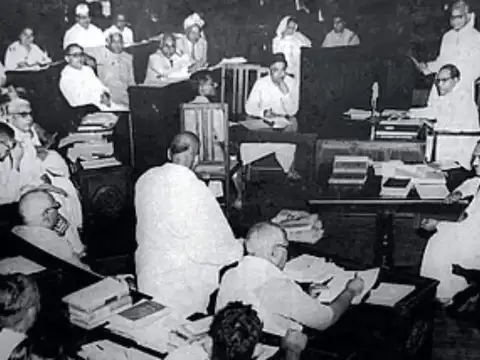
From November 14 to 26, the Assembly conducted three exhaustive readings of the final draft. Members debated provisions on caste, religion, language, federalism. Ambedkar steered every argument, defending the Constitution's progressive bones against both conservative and radical critiques relentlessly.
6/8
November 26, 1949: Adoption day and the handwritten original
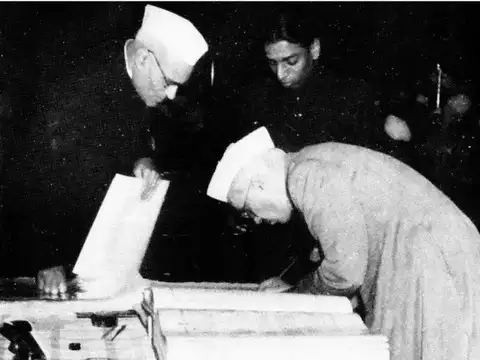
At last, 284 members signed the adopted Constitution. The Assembly declared it complete. Yet implementation wasn't immediate. A deliberate gap existed, charged with symbolic weight. Ram Manohar Sinha and Nand Lal Bose of Shantiniketan illuminated the original Constitution by hand. It cost 64 lakh rupees (adjusted for inflation). A rare first edition was recently sold at auction for a record ₹48 lakh.
7/8
January 26, 1950: Republic Day and Why wait until January 26?
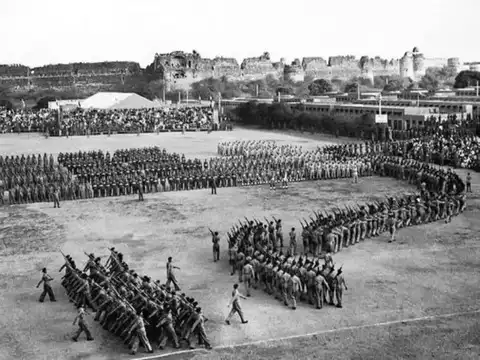
January 26 was chosen deliberately. On that date in 1930, the Congress had declared Purna Swaraj (complete independence). India thus connected its constitutional journey to its freedom struggle, not severing the past but building upon it ceremonially and emotionally.
8/8
Dr. B. R. Ambedkar: A legacy beyond his life
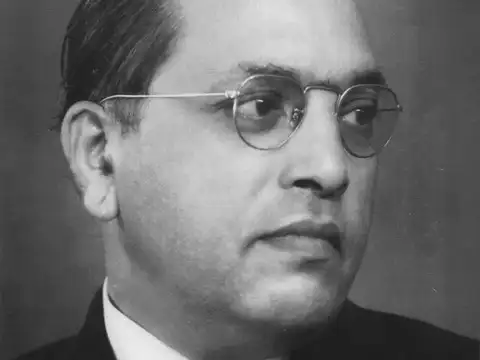
Born into a Dalit family, Ambedkar overcame casteism to earn doctorates from Columbia to London. A jurist, economist, and relentless activist, he'd fought untouchability his entire life. Constitution Day (Samvidhan Diwas) was officially announced by the Ministry of Social Justice and Empowerment in a government gazette notification on November 19, 2015. November 26 honours both the document and its principal architect, Bhimrao Ramji Ambedkar, cementing his legacy. India's Constitution has survived 76 years and over 100 amendments.The Constitution's abolition of untouchability, its reservations for historically oppressed classes, its guarantee of equality before law—these weren't accidents. Ambedkar, having lived through caste discrimination's cruelty, wove liberation into the document's DNA, making it a weapon against age-old hierarchies. Every Indian—from Kashmir to Kanyakumari, Hindi speaker to Tamil speaker, Hindu to Muslim—lives under this framework. No other democracy of such scale and diversity has kept one constitutional framework intact this long. This isn't luck; it's because Ambedkar anticipated pluralism and built flexibility into the bones.