
Ice cream vs Yoghurt: Which is the smarter choice for blood sugar?

1/8
So Which One Wins For Blood Sugar?
For most people, plain yoghurt is the smarter everyday pick because it is lower in sugar, higher in protein, and has stronger long-term evidence behind it. Ice cream is not the monster it is made out to be, but it is best kept as an occasional treat rather than a daily habit for blood sugar management.

2/8
What Is The Glycemic Index And Why It Matters
The Glycemic Index measures how quickly a food raises blood sugar after eating, on a scale of 0 to 100. Foods above 70 cause rapid spikes. Foods below 55 are considered low GI. This number matters a lot for people managing blood sugar, prediabetes, or diabetes.

3/8
Ice Cream Has A Surprisingly Low GI
This surprises most people. Regular vanilla ice cream has a GI of around 35 to 57, which puts it in the low to medium range. Pure glucose scores 100, white bread 69, and white rice 72, yet ice cream comes in around 36, lower than many foods considered healthy. The fat content slows sugar absorption significantly.
Amazon Top Deals
POWERED BY

Crompton Ozone 75 Litres Desert Air Cooler for home | Large & Easy Clean Ice Chamber | 4-Way Air Deflection | High Density Honeycomb Pads | Everlast Pump | Auto Fill| 3 Year Brand Warranty
₹9,798Buy Now43%
OFF

LG 32 L Convection Microwave Oven (MC3286BRUM, Black, 360° Motorised Rotisserie for Bar-be-queing, 301 Auto Cook Menu, Stainless steel cavity, Indian Cuisine, Tandoor Se, Steam Clean & Diet Fry)
₹19,090Buy Now20%
OFF
4/8
But The Blood Sugar Spike Is Still Real
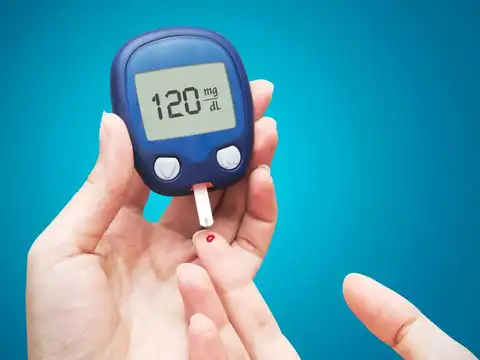
Low GI does not mean zero impact. Popular ice cream varieties can contain over 30 grams of sugar per serving, and real-world data shows ice cream causes an average glucose rise of around 31 mg/dL, with some varieties pushing close to 50 mg/dL depending on toppings and serving size.

5/8
Yoghurt Has A Steadier Effect On Blood Sugar
Plain yoghurt, especially full-fat or Greek varieties, has a GI of around 14 to 36, generally lower than ice cream. The combination of protein, fat, and live cultures slows digestion, which means blood sugar rises more gradually and does not crash as quickly after eating.

6/8
Yoghurt Has Research-Backed Benefits For Diabetes Risk
This is where yoghurt pulls ahead clearly. A large meta-analysis reviewed in The Journal of Nutrition found that consuming 80 to 125 grams of yoghurt per day was associated with a 14% lower risk of developing type 2 diabetes compared to no yoghurt consumption, based on 13 prospective studies.

7/8
Probiotic Yoghurt And Insulin Response
Regular yoghurt with live cultures may also improve how the body handles insulin. A randomised controlled trial published in Nutrition found that consuming probiotic yoghurt for two months led to a significant reduction in fasting blood glucose and improvements in insulin resistance markers compared to baseline.

8/8
Ice Cream In Moderation Is Not Catastrophic Either
A large BMC Medicine cohort study tracking over 194,000 people found that both yoghurt and ice cream consumption were significantly associated with a lower risk of type 2 diabetes, with ice cream showing a hazard ratio of 0.78, meaning a 22% lower risk. Context and quantity still matter enormously.