
IBM Simon: “The world's first smartphone” and the bulky device that started the smartphone revolution you never knew about
1/7
How one gadget rewired the future
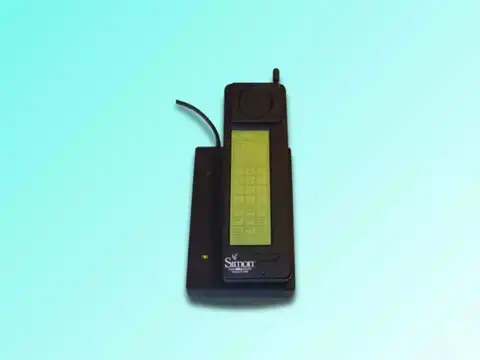
On November 23, 1992, a bulky brick-shaped device debuted at a Las Vegas tech trade show, merging your calendar, email, and phone into one gadget. It was weird. It was expensive. And it sparked the revolution we carry in our pockets today. It was IBM Simon/
2/7
What made IBM’s Simon different
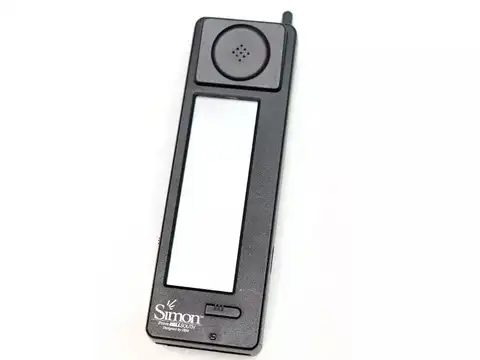
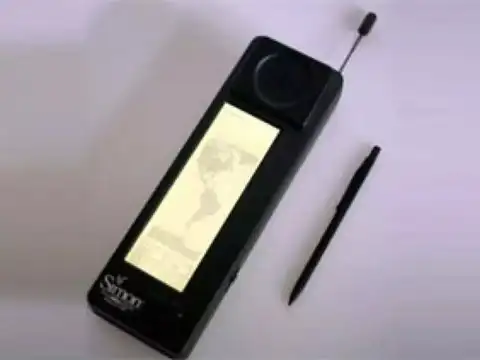
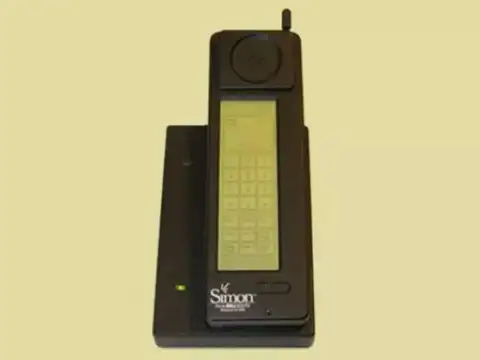
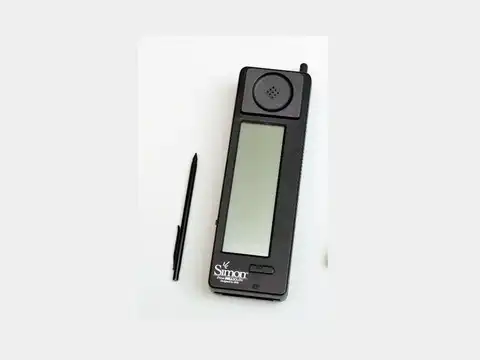
The magic was simple: Simon combined a phone with what folks called a Personal Digital Assistant (PDA)—basically a mini computer that fit in your hand. Nobody had done that before. It was the first of its kind. Simon had something rare for 1992: a monochrome touchscreen display. You could tap with your finger or use a stylus to navigate. Revolutionary. No buttons meant more screen space than competitors.

3/7
Built-in apps were mind-blowing
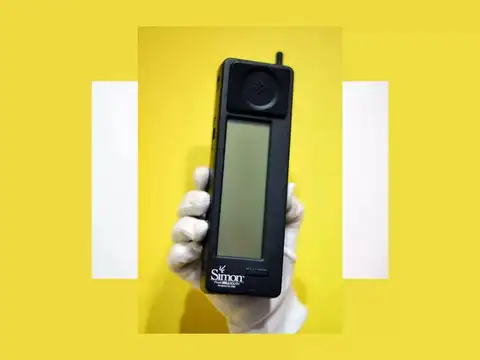
Address book, calendar, calculator, world clock, notepad, sketch pad, email, faxing. Tasks that once meant carrying five different devices now lived in one. Convenience redefined in black and white pixels.
Amazon Top Deals
POWERED BY

Crompton Ozone 75 Litres Desert Air Cooler for home | Large & Easy Clean Ice Chamber | 4-Way Air Deflection | High Density Honeycomb Pads | Everlast Pump | Auto Fill| 3 Year Brand Warranty
₹9,798Buy Now43%
OFF

atomberg Studio Smart+ 1200mm BLDC Ceiling Fan with IoT & Remote | BEE 5 star Rated Energy Efficient Ceiling Fan | High Air Delivery with LED Indicators | 3 Year Warranty (Earth Brown)
₹5,882Buy Now36%
OFF

LG 32 L Convection Microwave Oven (MC3286BRUM, Black, 360° Motorised Rotisserie for Bar-be-queing, 301 Auto Cook Menu, Stainless steel cavity, Indian Cuisine, Tandoor Se, Steam Clean & Diet Fry)
₹19,340Buy Now19%
OFF
4/7
Running a modified DOS engine
Simon ran on a tweaked DOS operating system, (disk-based operating system) , the backbone of desktop computers back then. This wasn't just a phone masquerading as smart; it genuinely borrowed computing architecture to stay nimble.
5/7
The brick everyone talked about
Weighing 1.1 pounds, Simon was clunky. Heavy. Honestly, it looked like a brick someone dropped. Modern phones are featherweight by comparison, but back then, this felt like a miracle squeezed into something portable. One hour. That's all the battery gave you. An hour of calls, calendar checks, sketching. Today's phones last a full day. Back then, that one-hour lifeline felt cruel. Business users got frustrated fast.
6/7
A premium price that hurt sales
August 1994: Simon hit shelves via BellSouth for around 899 dollars with a two-year contract. In today's money, that's over 1,900 dollars. Expensive gamble for unproven technology no one truly understood yet. Only 50,000 sold before Simon vanished after six months. High cost plus that dreadful battery life meant only the tech-obsessed and ultra-wealthy kept one. Market rejection stung, but the seed was planted.
7/7
The blueprint nobody could ignore
Simon didn't survive, but its DNA lived on. Every smartphone that followed borrowed Simon's playbook: touchscreen, integrated apps, communication plus computing. It proved the concept worked, just needed refinement. Fast forward three decades. Your phone does everything Simon promised, minus the brick shape and hour-long battery.