
How to use beetroot the way nutritionists recommend for maximum health benefits
1/6
The right way to eat beetroot
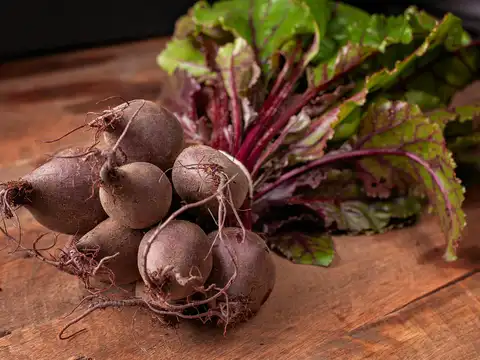
Beetroot isn’t just a colourful addition to your plate; it’s one of nature’s most nutrient-rich powerhouses. Packed with nitrates, folate, iron, potassium, and antioxidants, this humble root can transform your energy, improve heart health, and even enhance skin glow. But here’s the catch, how you eat beetroot matters as much as how often you eat it. Here’s exactly how nutritionists say you should use beetroot to get the best out of it.

2/6
Raw beetroot or juice
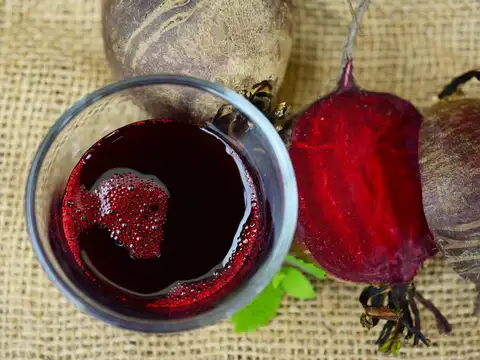
Nutritionists agree that consuming beetroot raw or as fresh juice is the best way to preserve its natural nitrates. These nitrates convert into nitric oxide in your body, helping relax blood vessels, improve circulation, and lower blood pressure. Studies show that drinking beetroot juice before exercise enhances stamina and oxygen use, making it a favourite among athletes. To prepare it right, juice one medium beetroot with carrots or apples for a natural sweetness. Avoid straining it completely, keeping some pulp adds extra fibre, which helps digestion and stabilises blood sugar.

3/6
Cooked beetroot
If raw beetroot feels too strong for your taste or stomach, steaming or roasting it lightly is the next best choice. Experts say that boiling beetroot for too long can reduce vitamin C and nitrate levels, so short cooking times are key. Lightly cooked beetroot improves gut health, adds fibre, and supports detoxification. You can toss it into salads, blend it into soups, or pair it with yoghurt dips for a gut-friendly snack.
Amazon Top Deals
POWERED BY


4/6
Beetroot in smoothies and salads
For a daily antioxidant boost, dietitians recommend blending beetroot into your morning smoothie or salad bowl. The combination of beetroot with fruits like pomegranate, berries, or oranges enhances vitamin C absorption and helps with iron uptake, perfect for those with low haemoglobin or fatigue. Nutritionists also note that eating beetroot with a source of healthy fat (like avocado, olive oil, or nuts) helps the body absorb fat-soluble nutrients more effectively.
5/6
Don’t ignore the beetroot leaves
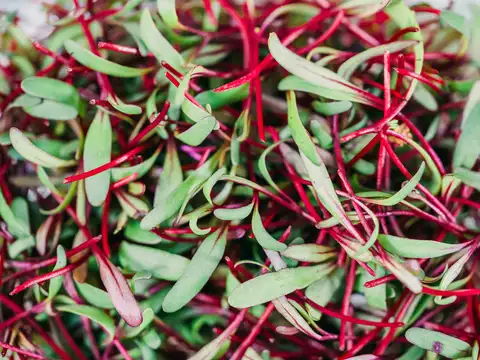
Most people toss away beetroot leaves, but experts say they’re actually more nutrient-dense than the root itself. Beet greens are rich in calcium, iron, and magnesium, all essential for bone and muscle health. You can use them like spinach: sauté lightly with garlic, add to soups, or blend into green smoothies. Including the leaves ensures you’re getting the full nutritional potential of the plant.
6/6
Timing and quantity: How much beetroot is too much?
Nutritionists suggest that 1 medium-sized beetroot a day (or about 100–150 ml of beetroot juice) is ideal for most people. Consuming it early in the day, preferably before workouts or breakfast, allows your body to make full use of the nitric oxide boost. However, doctors advise caution for people with kidney stones or low blood pressure, as beetroot is high in oxalates and nitrates. Moderation is key to enjoying all its benefits without side effects.
Disclaimer: This article is for informational purposes only and not a substitute for professional medical advice. Always seek the advice of your doctor with any questions about a medical condition.
Disclaimer: This article is for informational purposes only and not a substitute for professional medical advice. Always seek the advice of your doctor with any questions about a medical condition.