
How to stop ants from entering your home: 9 easy ways
1/9
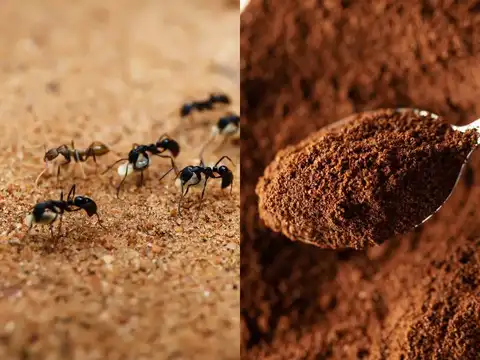
Sprinkle Used Coffee Grounds Near Entry Points
Do not throw away used coffee grounds. Place them near doors, windowsills, or cracks where ants enter. A study published in the Pertanika Journal of Tropical Agricultural Science found that caffeine in coffee disrupts ant foraging trails and repels common household ant species. Refresh the grounds every two to three days.
2/9
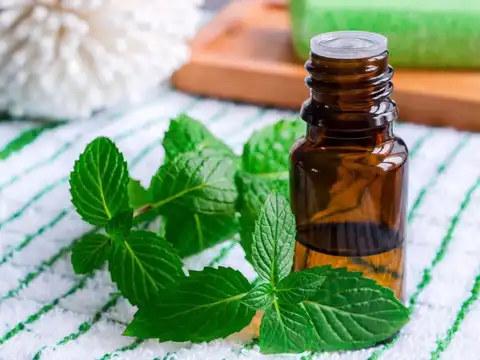
Spray Diluted Peppermint Oil Along Ant Trails
Mix 10 to 15 drops of peppermint essential oil in a cup of water and spray it along baseboards, windowsills, and entry points. A study in the Journal of Economic Entomology confirmed that peppermint oil significantly reduced ant activity and disrupted their foraging trails. Reapply every few days as the scent fades.
3/9
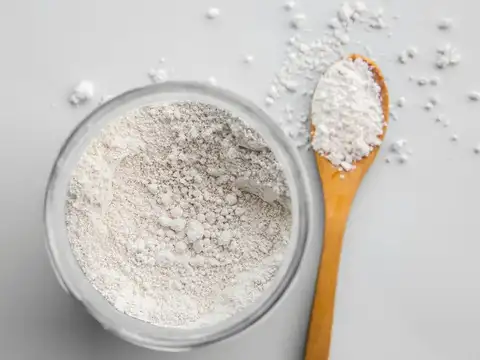
Use Food-Grade Diatomaceous Earth As A Barrier
This chalky white powder is made from fossilised algae and works mechanically, not chemically. When ants walk through it, the microscopic sharp particles cut through their exoskeleton and dehydrate them. Sprinkle it along ant trails, door thresholds, and behind appliances. It is non-toxic, safe around children and pets, and recognised by the US EPA as a low-risk pest control substance.
Amazon Top Deals
POWERED BY

4/9
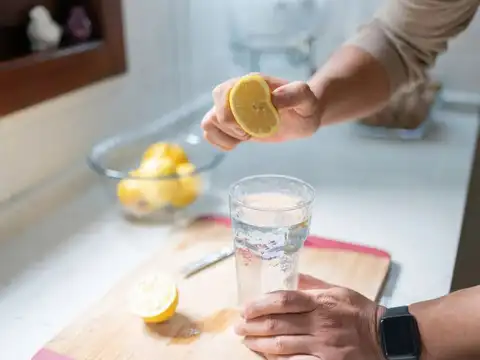
Apply Cinnamon or Lemon Juice At Entry Points
Both cinnamon and lemon are among the most tested natural repellents. Research published in the Journal of Emerging Investigators tested seven common household products and found cinnamon and lemon juice to be the most effective at keeping ants away. Wipe lemon juice along door gaps or sprinkle cinnamon powder at entry cracks for quick results.
5/9
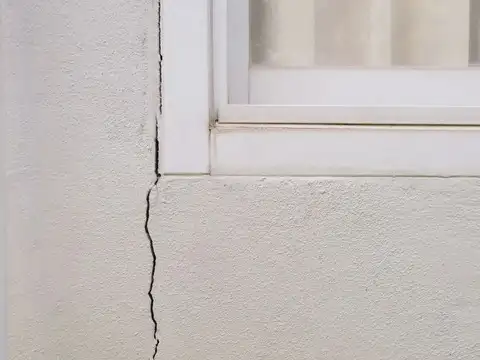
Seal Every Crack And Gap You Can Find
This is the most permanent fix. Ants get in through tiny gaps around pipes, windows, door frames, and wall cracks. Use silicone sealant or even basic putty to close them off. No repellent works as well as physically blocking the entry. Check behind the kitchen sink and bathroom pipes especially as those are the most common entry points in Indian homes.

6/9
Wipe Surfaces With White Vinegar After Cooking
Ants navigate using pheromone scent trails. Wiping kitchen counters, stovetops, and shelves with a 50/50 mix of white vinegar and water after cooking erases those trails completely. Without the scent map, ants that follow cannot find the food source. This works best as a daily habit during summer months when ant activity is highest in most parts of India.
7/9
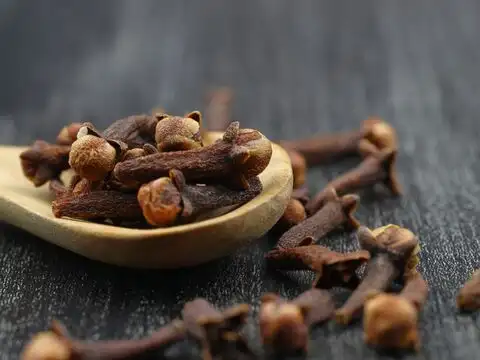
Place Clove Buds Near Kitchen Shelves
Cloves contain eugenol, a compound used in commercial pest control products. Placing a few whole cloves inside kitchen shelves, near the sugar container, or along ant trails can deter them effectively. Research cited in the Journal of Economic Entomology found clove powder achieved up to 99% repellency on ants after just three hours. And you likely already have cloves sitting in your masala dabba.
8/9
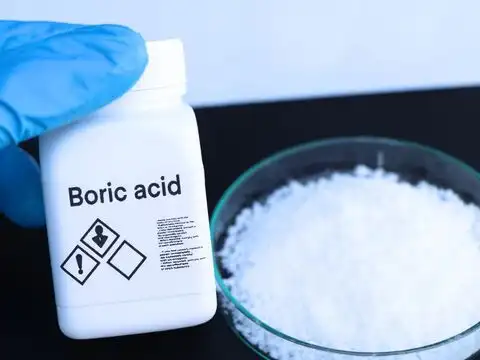
Keep The Boric Acid Bait Trick Ready
Mix one teaspoon of boric acid with two tablespoons of sugar dissolved in water. Soak cotton balls in it and place them near ant trails. Ants carry it back to the colony, taking it to the queen. USDA research found that a 1% boric acid solution reduced ant colonies by 90% within six weeks. Keep it away from children and pets.
9/9
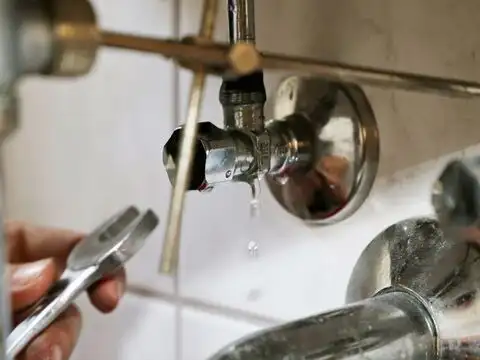
Fix Moisture Leaks Around Sinks And Pipes
Ants do not just come for food. They come for water too. A dripping tap, a leaking pipe under the sink, or even a wet mop left on the floor is enough to attract them. Fixing leaks and keeping surfaces dry removes one of the main reasons ants enter homes in the first place. This is especially important during hot Indian summers when ants are actively searching for moisture.