
How to make real buttermilk at home (not just watered curd)
1/6
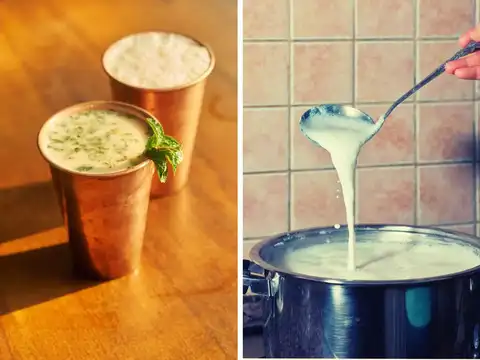
Real buttermilk, not just diluted curd
Most of us mix curd and water and call it buttermilk, but technically that is thinned yogurt, not true buttermilk. Real buttermilk is the light, tangy liquid left after churning butter. Real buttermilk is lower in fat and lactose than milk because the butter and some milk sugar are used up in churning and fermentation. Helpful bacteria, called probiotics, stay in the drink and can support smoother digestion and less bloating for many people.

2/6
Two types you can make at home
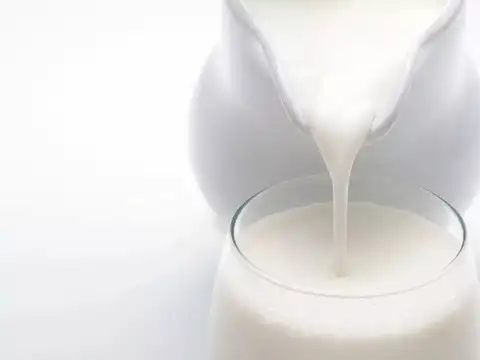
There are two practical versions at home. One is traditional buttermilk that comes after you churn cream into butter. The other is cultured buttermilk, where you ferment milk using a small starter that already contains live bacteria. Both give that tangy, easy to digest drink.
3/6
Step 1: collect cream and make butter
Boil and cool full fat milk, then skim the malai (cream) into a box in the fridge for a few days. When you have enough, churn the cold cream with a blender or hand whisk until butter separates. You will see lumps of butter and a thin, cloudy liquid.
Amazon Top Deals
POWERED BY

4/6
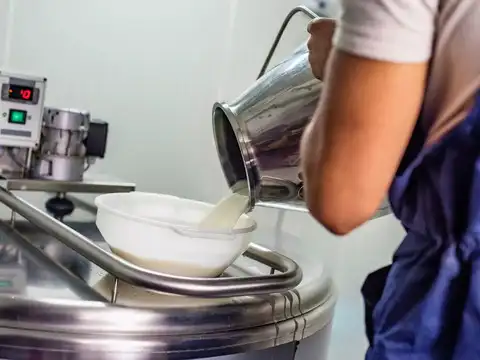
Step 2: strain and get real buttermilk
Once the butter forms, strain everything through a clean muslin cloth. Tie and squeeze gently so the liquid drips out into a bowl. This light tangy liquid is traditional buttermilk. Chill it, whisk once, add a little salt and drink it the same day for best taste.
5/6
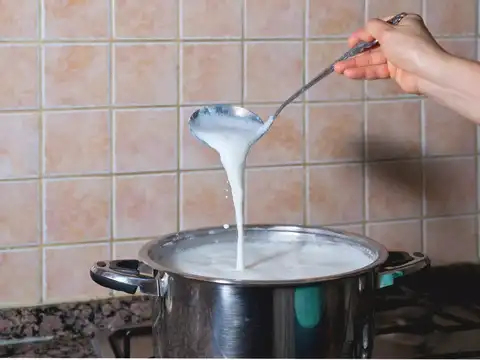
Shortcut: cultured buttermilk from milk
If you do not make butter often, you can ferment milk. Take one litre of pasteurised milk and warm it till it feels slightly lukewarm. Stir in two tablespoons of store bought cultured buttermilk that mentions live active cultures, cover and leave at room temperature for a day.
6/6
Difference between buttermilk, chaas and lassi
Buttermilk is the light liquid left after butter is removed or milk is fermented with a starter. Chaas is usually buttermilk whisked with spices and water. Lassi is thicker, made from curd with more fat and milk solids, often sweetened or flavoured with fruit.
(Disclaimer: This story is strictly for educational purposes only and does not substitute any professional medical advice and should not be considered as professional medical advice.)
(Disclaimer: This story is strictly for educational purposes only and does not substitute any professional medical advice and should not be considered as professional medical advice.)