
How to know your ideal weight based on height, according to science

1/6
The science behind healthy weight
Many people struggle to define their ideal weight for their height. While BMI has been a long-time standard, it overlooks fat distribution, muscle mass, and other health indicators. Experts suggest a more holistic approach that includes lifestyle and genetic factors.
2/6
Understanding BMI and its limits
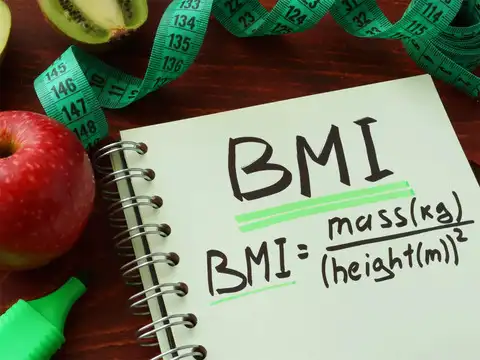
BMI, calculated by dividing weight (kg) by height squared (m²), provides a quick overview but doesn’t distinguish fat from muscle. Athletes may seem overweight, while normal-BMI individuals can still carry harmful belly fat. Hence, BMI should be one tool among others, not the sole health measure.

3/6
Alternative measurements
Beyond BMI, experts recommend additional methods:
- Waist circumference to track belly fat linked to heart disease and diabetes.
- Waist-to-hip ratio to reveal fat distribution and risks.
- Body fat percentage through calipers, scans, or impedance tests.
- ABSI (A Body Shape Index) to combine BMI with waist data for better risk prediction.
Amazon Top Deals
POWERED BY

Crompton Ozone 75 Litres Desert Air Cooler for home | Large & Easy Clean Ice Chamber | 4-Way Air Deflection | High Density Honeycomb Pads | Everlast Pump | Auto Fill| 3 Year Brand Warranty
₹9,798Buy Now43%
OFF

LG 32 L Convection Microwave Oven (MC3286BRUM, Black, 360° Motorised Rotisserie for Bar-be-queing, 301 Auto Cook Menu, Stainless steel cavity, Indian Cuisine, Tandoor Se, Steam Clean & Diet Fry)
₹19,090Buy Now20%
OFF

4/6
Healthy weight ranges by height
General ranges serve as a guide but should be adapted to body composition:
- 5’2” (157 cm): 47–61 kg
- 5’6” (167 cm): 53–68 kg
- 5’10” (178 cm): 60–79 kg

5/6
Lifestyle’s impact on ideal weight
Nutrition, exercise, stress, and sleep strongly affect weight relative to height. Balanced meals, physical activity, and good sleep promote metabolic health. Stress, hormonal shifts, and genetics can complicate weight management, proving there’s no universal “ideal.”

6/6
When to seek expert help
If unsure, consult a healthcare professional or nutritionist. They can assess body composition, habits, and health risks to create realistic, personalised plans that support sustainable, long-term well-being.