
How this one organ boosts your endurance and exercise tolerance

1/5
The organ nobody talks about
Your spleen sits quietly under your left ribs, filtering blood and playing bouncer to your immune system. But when you exercise, it transforms into a secret weapon, contracting to flood your bloodstream with extra red blood cells. This surge boosts oxygen delivery to exhausted muscles, letting you endure harder workouts. Most people don't even know it's there.
2/5
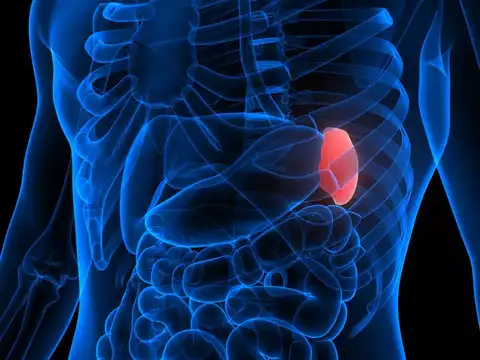
What the spleen does at rest
Think of your spleen as your blood bank. It holds about ten percent of your body's red blood cells in reserve and acts as a quality-control checkpoint, trapping worn-out cells and debris. It also houses infection-fighting white blood cells and makes antibodies. Pretty crucial, yet underrated.
3/5
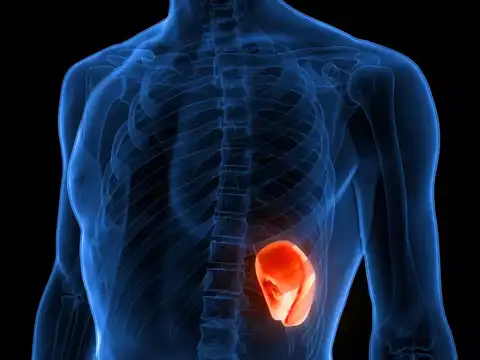
How it powers endurance during exercise
When you start running or cycling hard, your spleen squeezes. This contraction dumps stored red blood cells into your circulation, instantly raising hemoglobin (the oxygen taxi). Your muscles get flooded with extra oxygen, delaying fatigue and lifting your performance ceiling. Athletes in elite endurance events show bigger, more powerful spleens.
Amazon Top Deals
POWERED BY

Crompton Ozone 75 Litres Desert Air Cooler for home | Large & Easy Clean Ice Chamber | 4-Way Air Deflection | High Density Honeycomb Pads | Everlast Pump | Auto Fill| 3 Year Brand Warranty
₹9,798Buy Now43%
OFF

atomberg Studio Smart+ 1200mm BLDC Ceiling Fan with IoT & Remote | BEE 5 star Rated Energy Efficient Ceiling Fan | High Air Delivery with LED Indicators | 3 Year Warranty (Earth Brown)
₹5,903Buy Now36%
OFF

LG 32 L Convection Microwave Oven (MC3286BRUM, Black, 360° Motorised Rotisserie for Bar-be-queing, 301 Auto Cook Menu, Stainless steel cavity, Indian Cuisine, Tandoor Se, Steam Clean & Diet Fry)
₹19,340Buy Now19%
OFF
4/5
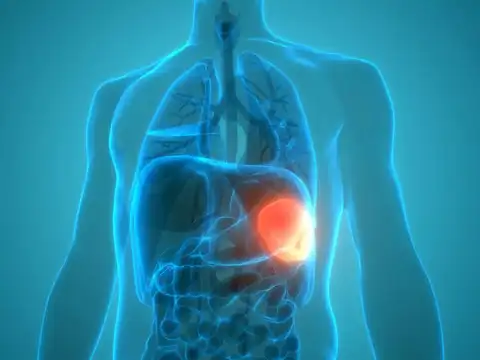
The breath-holding trick and athletic training
Hold your breath during breath-holds or high-altitude training triggers the same spleen contraction as intense exercise. Swimmers, free divers, and skiers exploit this, training with restricted oxygen to strengthen this reflex. Regular practice amplifies the response, giving you a lasting edge in aerobic capacity and oxygen efficiency.
5/5
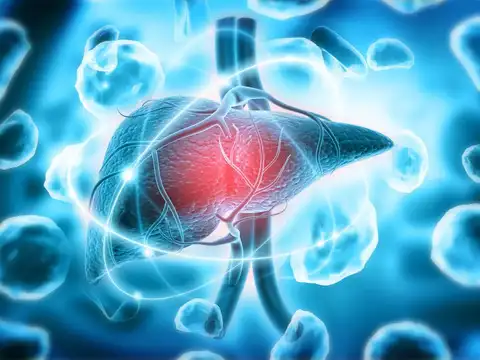
What research reveals about spleen size
Elite biathletes and endurance athletes have measurably larger spleens with stronger contraction power than untrained people. This adaptive growth comes from consistent, demanding training. Your spleen literally grows to support your goals, becoming a tangible marker of cardiovascular conditioning and oxygen-transport prowess.
(Disclaimer: This story is for educational purposes alone and should not be considered as professional medical advice and does not substitute any medical advice.)
(Disclaimer: This story is for educational purposes alone and should not be considered as professional medical advice and does not substitute any medical advice.)
READ MORE:
spleen function exercise endurance |red blood cells oxygen delivery muscle fatigue |athletic performance hemoglobin boost |splenic contraction training |aerobic capacity spleen health |endurance sports physiology |oxygen carrying capacity improvement |cardio fitness spleen role |exercise tolerance stamina increase