
How Dhurandhar Uses Costumes to Strengthen Storytelling

1/8
Style That Serves the Story
In meaningful cinema, costumes aren’t always about glamour. Sometimes they support a realism mood or musical storytelling, enhancing the film’s world without overpowering performances or narratives.
2/8
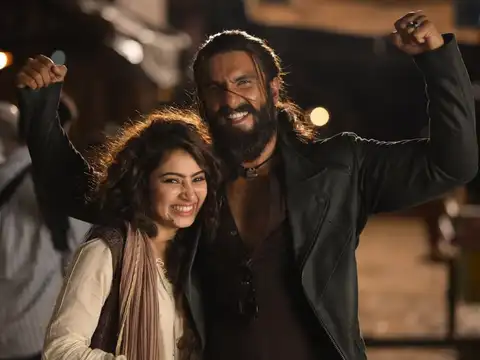
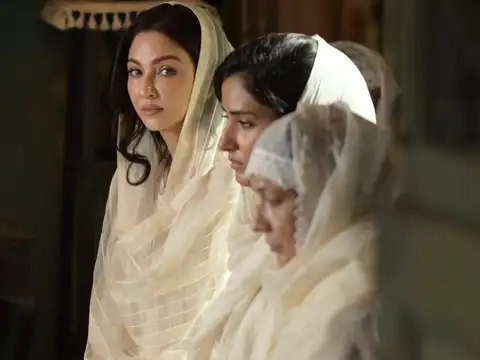
Rooted in Realism
Sara Arjun’s styling reflects grounded storytelling. Her costumes feel lived in and authentic, allowing emotions and performance to lead rather than visual embellishment.
3/8
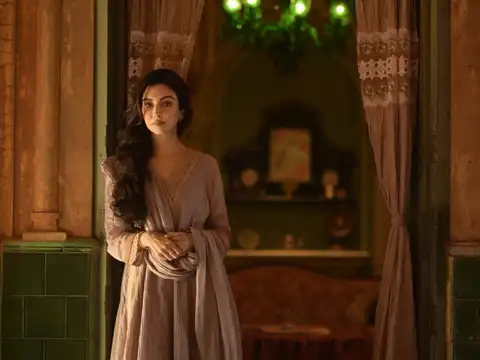
Simplicity with Intent
Saumya Tandon’s understated wardrobe choices mirror realism. Clean silhouettes and minimal styling quietly strengthen the narrative without drawing attention away from the story.
Amazon Top Deals
POWERED BY

Crompton Ozone 75 Litres Desert Air Cooler for home | Large & Easy Clean Ice Chamber | 4-Way Air Deflection | High Density Honeycomb Pads | Everlast Pump | Auto Fill| 3 Year Brand Warranty
₹9,798Buy Now43%
OFF

LG 32 L Convection Microwave Oven (MC3286BRUM, Black, 360° Motorised Rotisserie for Bar-be-queing, 301 Auto Cook Menu, Stainless steel cavity, Indian Cuisine, Tandoor Se, Steam Clean & Diet Fry)
₹19,340Buy Now19%
OFF

4/8
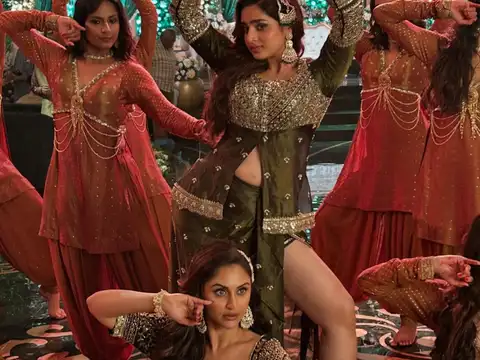
Styling a Song, Not a Character
Ayesha Khan’s appearance is song-based, where costumes focus on mood, rhythm and visual harmony, adding elegance without attempting character-driven storytelling.
5/8
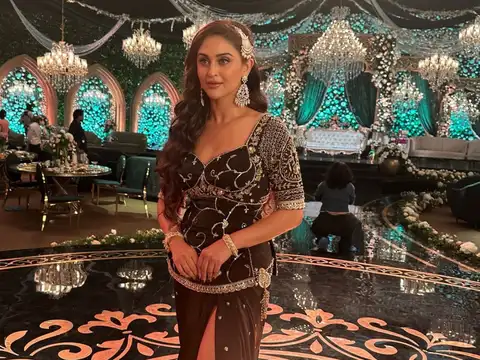
Visual Presence with Restraint
Krystal D’Souza features in a musical sequence where styling complements the song’s emotion. The look enhances the atmosphere without overt glamour overpowering the frame.
6/8
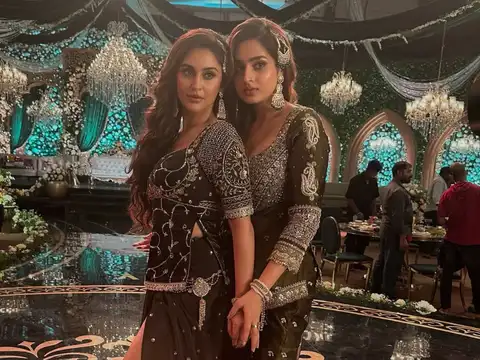
Why Song Styling Is Different
Songs demand visual poetry, not realism. Costumes here support movement, emotion and tone, serving the moment rather than defining a character arc.
7/8
A Balanced Approach
The film smartly balances realism in narrative roles and aesthetic appeal in songs, proving that glamour can exist without disrupting storytelling integrity.
8/8
Final Takeaway
Whether through characters or songs, costumes work best when they respect context. When styling serves purpose, not excess, it elevates both storytelling and cinematic experience.