
Hot shower vs cold shower? Which one delivers more benefits during winter
1/5
The winter shower dilemma
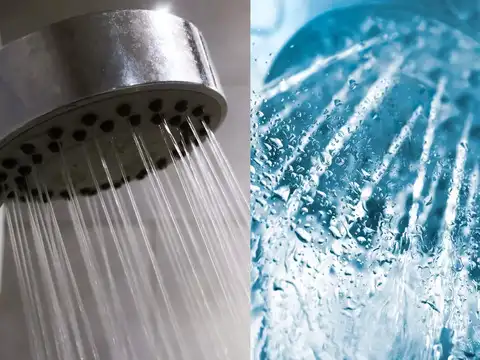
Winter mornings demand a choice: plunge into cold water for metabolic gains, or surrender to warmth for muscle relief. Both carry trade-offs. Indians face a peculiar challenge: heated expectations against dermatological reality. Neither extreme works universally; the middle path often wins.

2/5
Hot showers: the comfort trap and skin fallout
Hot water dilates blood vessels, easing winter stiffness and joint ache. Sounds ideal until you realise prolonged exposure strips your skin's natural oils, worsening the already-parched winter epidermis. Dermatologists advise 5-10 minute lukewarm showers instead. For those with eczema or psoriasis, scalding water becomes a deliberate irritant. Cold climates already dehydrate skin; hot showers accelerate moisture loss.

3/5
Cold showers: the circulation boost and cardiovascular caveat
Cold water triggers vasoconstriction, forcing deeper blood vessels to dilate when you exit. Result: sharper circulation, better oxygenation, heightened alertness. Athletic recovery improves. White blood cell production spikes, theoretically bolstering immunity. However, that same vascular shock strains hearts, particularly for those with hypertension or pre-existing cardiac disease. Winter itself increases heart attack risk by 26-36 percent; sudden cold exposure adds treacherous pressure.
Amazon Top Deals
POWERED BY


4/5
The winter heart problem and who should avoid cold exposure
Cold weather alone boosts blood pressure by 5 millimeters of mercury (mmHg) and doubles heart-attack risk for every one-degree Celsius drop. Adding abrupt cold-water immersion to this landscape is reckless for compromised hearts. Anyone with angina, previous cardiac events, uncontrolled hypertension, or respiratory issues (asthma, COPD, bronchitis) should skip cold showers entirely during winter. The physiological gamble isn't worth it.

5/5
The middle ground: lukewarm water as practical compromise
Neither extreme suits winter. Lukewarm showers (around 32-37 degrees Celsius) offer minimal skin barrier damage while maintaining reasonable circulation. Keep showers brief, moisturise within three minutes of exiting (while skin's slightly damp), and drink water afterward. This balances comfort, dermatological safety, and cardiovascular prudence without theatrical sacrifice or misguided cold-water martyrdom.
(Disclaimer: This story is for educational purposes alone and should not be considered as professional medical advice and does not substitute any medical advice.)
(Disclaimer: This story is for educational purposes alone and should not be considered as professional medical advice and does not substitute any medical advice.)