
HMPV virus: Key symptoms, who is at risk? prevention tips and all you need to know
1/6
The first case detected in Karnataka
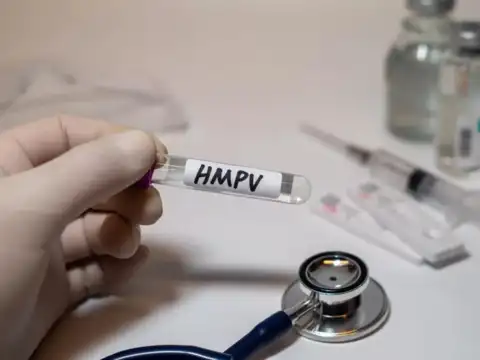
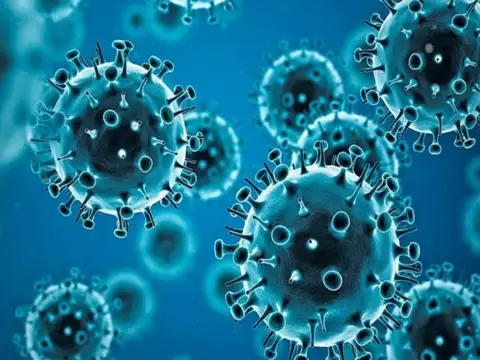
Human Metapneumovirus (HMPV) is a respiratory virus first discovered in 2001. It primarily spreads through direct contact with infected individuals or contaminated surfaces. Typically active during the winter and spring months, it has recently been detected in Karnataka, India.
2/6
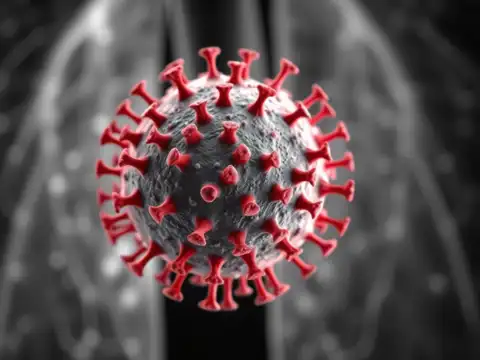
What is the HMPV virus?
HMPV is a respiratory virus that causes flu-like symptoms, including cough, sore throat, fever, and congestion. In more severe cases, it can lead to pneumonia, wheezing, or shortness of breath. While no vaccine exists, most cases resolve with rest and hydration.
3/6
Who is at risk?
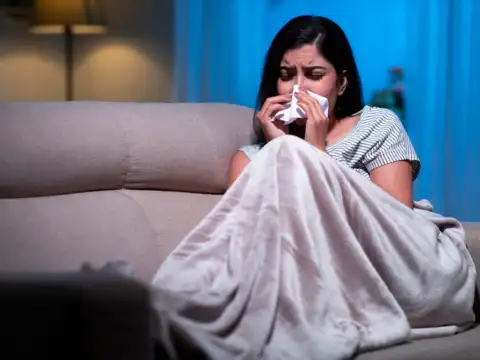
Children under five years, elderly adults, and those with weakened immune systems are more susceptible to severe HMPV infections. These high-risk groups may experience complications like pneumonia or respiratory distress, requiring closer monitoring and timely medical care.
Amazon Top Deals
POWERED BY

Crompton Ozone 75 Litres Desert Air Cooler for home | Large & Easy Clean Ice Chamber | 4-Way Air Deflection | High Density Honeycomb Pads | Everlast Pump | Auto Fill| 3 Year Brand Warranty
₹9,798Buy Now43%
OFF

LG 32 L Convection Microwave Oven (MC3286BRUM, Black, 360° Motorised Rotisserie for Bar-be-queing, 301 Auto Cook Menu, Stainless steel cavity, Indian Cuisine, Tandoor Se, Steam Clean & Diet Fry)
₹19,340Buy Now19%
OFF
4/6
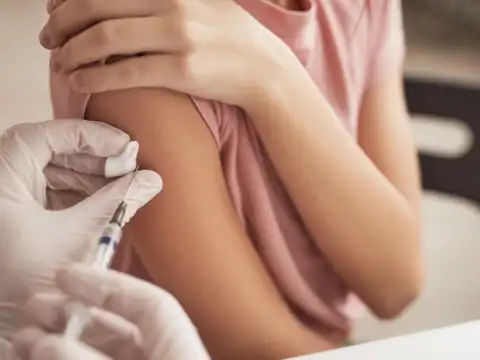
No vaccine available
HMPV shares similarities with other respiratory viruses like RSV, measles, and mumps. However, unlike these viruses, HMPV has no vaccine or antiviral treatments available. Supportive care, including rest and hydration, is essential for managing mild symptoms and recovery.

5/6
Symptoms of HMPV virus
Typical symptoms of HMPV include cough, sore throat, fever, and runny nose. In more serious cases, it can lead to wheezing, shortness of breath, and pneumonia. These symptoms are more concerning for vulnerable groups, including young children and the elderly.
6/6
Prevention and care
To prevent HMPV, practice good hygiene and avoid close contact with infected individuals. While mild cases can be managed at home with rest and hydration, severe cases may require hospitalisation and oxygen therapy. At-risk individuals should be extra cautious during outbreaks.