
High AQI Outside? Yoga Expert Anshuka Parwani’s Breathwork Tips Can Help You Cope

1/8
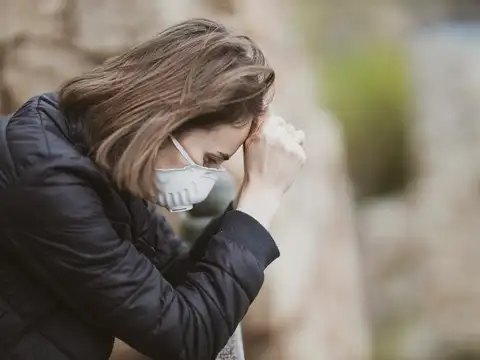
Breathing Support for Polluted Air
2/8
Support for Your Lungs

3/8
Kapalbhati for Breath Clarity
She suggests Kapalbhati pranayam to help clear polluted air from the lungs. She highlights it as a powerful breathing practice to counter heaviness caused by pollution and to restore a sense of freshness in the body.
Amazon Top Deals
POWERED BY


4/8
Balanced Breathing for Calm
Samavritti pranayam focuses on equal counts of inhalation and exhalation. Anshuka recommends this breathing technique to calm the nervous system, reduce anxiety caused by breathing discomfort, and create a steady, controlled breathing rhythm during polluted conditions.

5/8
Energize the Lungs Gently
Bhastrika pranayam involves controlled, rhythmic breathing that supports lung strength. On polluted days slow and mindful practice can improve airflow, energize the body, and support overall breathing efficiency.

6/8
Timing Makes a Difference
During high AQI days, Anshuka Parwani advises keeping pranayama gentle and controlled. A quiet, ventilated space helps you breathe more comfortably while allowing the lungs to benefit without additional exposure to pollution.

7/8
Little, But Every Day
Anshuka reminds us that breathwork doesn’t need to be long or intense. Practicing daily, even briefly, helps the lungs adapt, reduces breathlessness, and builds long-term respiratory resilience during polluted days.

8/8
Breathe Mindfully, Live Better
In high AQI conditions mindful breathing becomes essential self-care. Simple pranayama practices help build respiratory strength, calm the nervous system, and create resilience, especially when pollution levels are high.
- Disclaimer: The information provided in this content is for general awareness only and should not be considered a substitute for professional medical advice, diagnosis, or treatment. Always seek the guidance of a qualified healthcare provider or your own doctor with any questions you may have regarding a medical condition or health concerns. ET bears no responsibility for the accuracy, completeness, or outcomes arising from the use of this information.