
Hibiscus tea for cholesterol — what one daily cup can do, and other proven benefits

1/6
The simple daily framework
One daily cup of hibiscus tea alongside a fiber‑ and protein‑forward meal pattern. Aim for 1–2 cups per day, brewed strong, and keep a 10‑minute post‑meal walk for steady glucose and heart health habits.

2/6
Cholesterol support — what studies suggest
Small human trials associate daily hibiscus tea with modest LDL reductions over weeks, likely via polyphenols that influence cholesterol handling and antioxidant defenses. Treat it as a complement to diet and lifestyle, not a replacement for prescribed therapy.

3/6
Blood pressure and vascular perks
Hibiscus tea has repeatedly shown mild systolic and diastolic blood pressure reductions in short studies, supporting endothelial function and aiding overall cardiometabolic profiles when combined with salt control and regular activity.
Amazon Top Deals
POWERED BY

Crompton Ozone 75 Litres Desert Air Cooler for home | Large & Easy Clean Ice Chamber | 4-Way Air Deflection | High Density Honeycomb Pads | Everlast Pump | Auto Fill| 3 Year Brand Warranty
₹9,798Buy Now43%
OFF

LG 32 L Convection Microwave Oven (MC3286BRUM, Black, 360° Motorised Rotisserie for Bar-be-queing, 301 Auto Cook Menu, Stainless steel cavity, Indian Cuisine, Tandoor Se, Steam Clean & Diet Fry)
₹19,340Buy Now19%
OFF

4/6
How to brew for effect
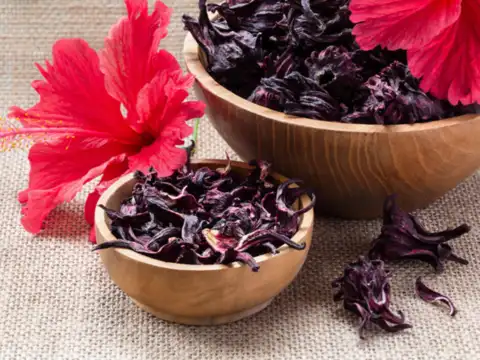
Use 1–2 teaspoons of dried hibiscus (or 1 tea bag) per 240 ml cup. Steep 6–10 minutes in hot water until deep ruby red; drink plain or with a squeeze of citrus. Consistency matters more than timing.
5/6
When to drink and pairings
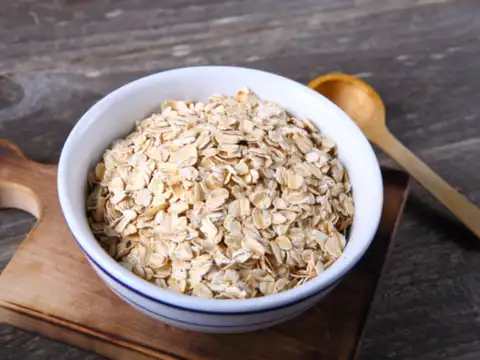
Pair with main meals to build routine. Combine with soluble fiber sources like oats, barley, beans, or psyllium across the day and favor unsweetened preparation to keep calories and added sugar low.
6/6
Safety and who should be cautious
Hibiscus can lower blood pressure; monitor if already on antihypertensives. Avoid if pregnant unless cleared by a clinician. Watch for interactions with certain medications and consider dental care for acidic teas by rinsing with water after.