
5 health benefits of oats and how to get them
1/6
Oats benefits
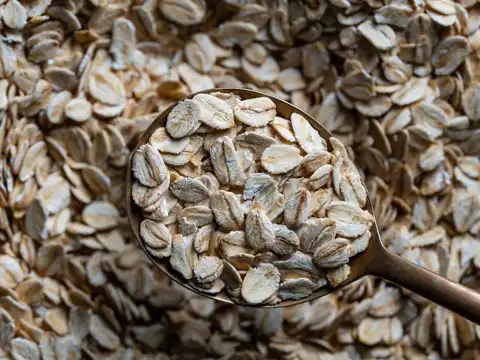
Oats are whole grains rich in soluble fiber called beta‑glucan and special antioxidants called avenanthramides; these work together to trap cholesterol in the gut, slow carb absorption, support nitric‑oxide blood‑vessel relaxation, and feed good gut bacteria.
2/6
Lowers LDL (“bad”) cholesterol
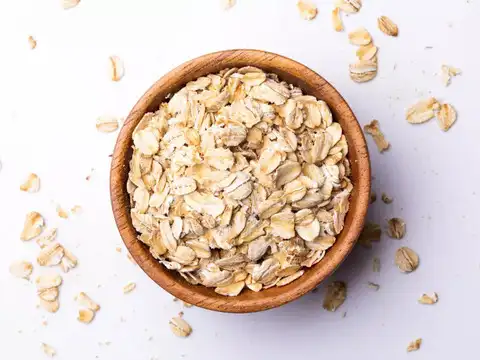
Oat beta‑glucan binds cholesterol and bile acids in your gut so more gets carried out of the body, lowering LDL over weeks.How much: Health authorities support about 3 g/day of oat beta‑glucan, which can lower LDL by roughly 5–10% when eaten consistently. This is about 60–90 g dry oats daily, depending on the product.
3/6
Steadies blood sugar after meals
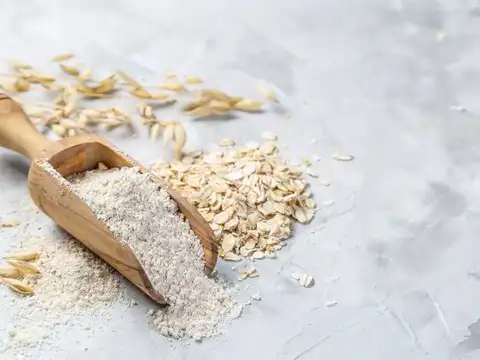
The gel‑like beta‑glucan slows how fast carbs leave the stomach and enter the blood, reducing post‑meal glucose spikes and insulin surges.What studies show: Trials and reviews report meaningful drops in after‑meal blood sugar in people with and without diabetes; fasting glucose improvements are clearest in type 2 diabetes.
Amazon Top Deals
POWERED BY

atomberg Studio Smart+ 1200mm BLDC Ceiling Fan with IoT & Remote | BEE 5 star Rated Energy Efficient Ceiling Fan | High Air Delivery with LED Indicators | 3 Year Warranty (Earth Brown)
₹5,882Buy Now36%
OFF

LG 32 L Convection Microwave Oven (MC3286BRUM, Black, 360° Motorised Rotisserie for Bar-be-queing, 301 Auto Cook Menu, Stainless steel cavity, Indian Cuisine, Tandoor Se, Steam Clean & Diet Fry)
₹19,340Buy Now19%
OFF

4/6
Supports healthier blood pressure
Oats’ fiber and bioactives support artery function and may help lower systolic BP a little, especially if replacing refined grains and used for 8+ weeks.What studies show: Meta‑analyses find an average systolic drop around 2–3 mm Hg, with bigger effects in people with high BP or when beta‑glucan intake is at least 5 g/day.

5/6
Helps with weight management
The thick fiber increases fullness and can help reduce overall calorie intake; swapping oats for refined grains improves the quality of calories.What studies show: Reviews note small but helpful effects on weight and waist in people with extra weight when oats are part of a balanced plan.
6/6
Supports a healthier gut
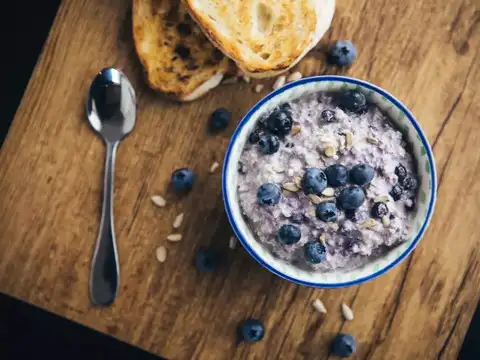
Beta‑glucan is prebiotic—gut bacteria ferment it into short‑chain fatty acids that help the gut lining and may aid cholesterol control and immunity.What studies show: You’ll see increased stool bulk and changes in gut microbes; early data suggests barrier and immune benefits, though more clinical work is needed.
(Disclaimer: This is not professional medical advice and does not substitute medical advice.)
(Disclaimer: This is not professional medical advice and does not substitute medical advice.)