
Hair fall just not stopping? Stop it with these 7 must-know remedies
1/7
Start with scalp oiling twice a week
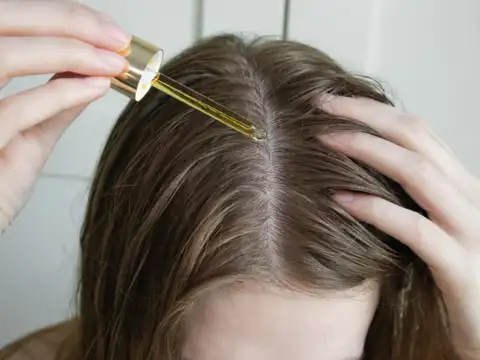
Scalp oiling remains one of the most effective traditional remedies to stop hair fall. Our scalp, like our skin, needs nourishment and hydration. Regular oiling improves blood circulation to the hair follicles, strengthens the roots, and prevents breakage. Coconut oil is rich in lauric acid and deeply penetrates the scalp. Castor oil contains ricinoleic acid, which helps increase circulation. Onion oil is packed with sulfur that supports the production of keratin and encourages regrowth.
The trick is in how you apply the oil. Warm it slightly before applying to open the pores and increase absorption. Massage gently with your fingertips in circular motions to stimulate follicles. Leave the oil on for at least an hour or overnight if possible. Rinse thoroughly with a mild, sulfate-free shampoo. Do this at least twice a week for noticeable results.
Avoid applying oil on a dirty scalp, as it can trap dust and clog pores. Also, don’t tie up your hair too tightly after oiling, let your scalp breathe. The consistent application of oil, combined with gentle scalp massages, can bring back life to dull, damaged hair and slow down excessive hair fall dramatically.
The trick is in how you apply the oil. Warm it slightly before applying to open the pores and increase absorption. Massage gently with your fingertips in circular motions to stimulate follicles. Leave the oil on for at least an hour or overnight if possible. Rinse thoroughly with a mild, sulfate-free shampoo. Do this at least twice a week for noticeable results.
Avoid applying oil on a dirty scalp, as it can trap dust and clog pores. Also, don’t tie up your hair too tightly after oiling, let your scalp breathe. The consistent application of oil, combined with gentle scalp massages, can bring back life to dull, damaged hair and slow down excessive hair fall dramatically.
2/7
Fix your diet with hair-boosting nutrients
What you eat directly influences the health of your hair. A common yet overlooked cause of hair fall is nutritional deficiency. Young adults often skip balanced meals, turning to fast food and crash diets that strip the body of vital nutrients. Without sufficient protein, iron, omega-3 fatty acids, and vitamins like B-complex, A, C, and D, the hair becomes brittle and starts falling out.
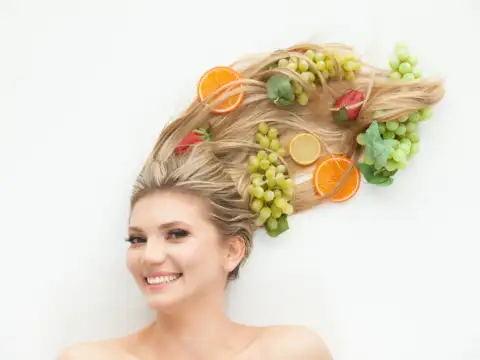
Iron, found in leafy greens and legumes, is critical for transporting oxygen to the hair roots. Protein, the building block of hair, comes from eggs, tofu, lentils, fish, and dairy. Omega-3 fatty acids in walnuts and flaxseeds nourish the scalp and boost elasticity. Vitamin C helps with collagen production, while vitamin D and zinc support follicle health.
Incorporating superfoods like spinach, amla, almonds, pumpkin seeds, yogurt, and carrots into your meals can make a significant difference. Hydration is also essential, drink at least 2.5 litres of water daily to maintain scalp moisture and cellular function.
You don’t need expensive supplements unless prescribed, but a well-rounded diet with all the essential macros and micros will support hair regrowth naturally. Remember, healthy hair always starts from within.
Iron, found in leafy greens and legumes, is critical for transporting oxygen to the hair roots. Protein, the building block of hair, comes from eggs, tofu, lentils, fish, and dairy. Omega-3 fatty acids in walnuts and flaxseeds nourish the scalp and boost elasticity. Vitamin C helps with collagen production, while vitamin D and zinc support follicle health.
Incorporating superfoods like spinach, amla, almonds, pumpkin seeds, yogurt, and carrots into your meals can make a significant difference. Hydration is also essential, drink at least 2.5 litres of water daily to maintain scalp moisture and cellular function.
You don’t need expensive supplements unless prescribed, but a well-rounded diet with all the essential macros and micros will support hair regrowth naturally. Remember, healthy hair always starts from within.
3/7
Use onion juice for faster regrowth
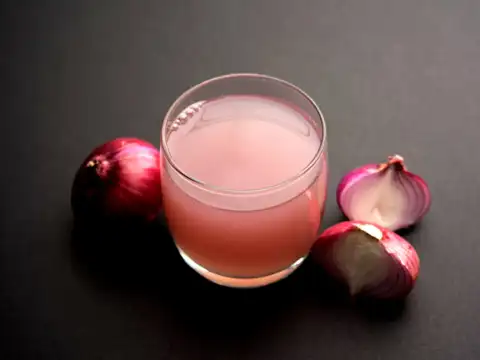
One of the most talked-about remedies for hair regrowth is onion juice, and for good reason. Rich in sulfur, onions help promote collagen production, boost blood circulation to the scalp, and stimulate hair follicle activity. It also has antibacterial and antifungal properties that prevent scalp infections, a hidden contributor to hair thinning.
To make onion juice at home, simply blend or grate a medium-sized onion, strain the pulp using a cloth or sieve, and collect the juice. Apply it directly to the scalp using a cotton pad or your fingers. Leave it on for 20 to 30 minutes before washing it off with a mild shampoo.
For best results, apply onion juice 2-3 times a week. You may also mix it with aloe vera gel or coconut oil to reduce the strong smell and enhance soothing effects. Some even add a few drops of rosemary or tea tree essential oil for fragrance and extra scalp benefits.
Though results vary from person to person, many users see noticeable improvement within four to six weeks. However, a patch test is recommended to rule out any allergic reaction. Natural and inexpensive, onion juice can be a game-changer if used regularly.
To make onion juice at home, simply blend or grate a medium-sized onion, strain the pulp using a cloth or sieve, and collect the juice. Apply it directly to the scalp using a cotton pad or your fingers. Leave it on for 20 to 30 minutes before washing it off with a mild shampoo.
For best results, apply onion juice 2-3 times a week. You may also mix it with aloe vera gel or coconut oil to reduce the strong smell and enhance soothing effects. Some even add a few drops of rosemary or tea tree essential oil for fragrance and extra scalp benefits.
Though results vary from person to person, many users see noticeable improvement within four to six weeks. However, a patch test is recommended to rule out any allergic reaction. Natural and inexpensive, onion juice can be a game-changer if used regularly.
Amazon Top Deals
POWERED BY

Crompton Ozone 75 Litres Desert Air Cooler for home | Large & Easy Clean Ice Chamber | 4-Way Air Deflection | High Density Honeycomb Pads | Everlast Pump | Auto Fill| 3 Year Brand Warranty
₹9,798Buy Now43%
OFF

LG 32 L Convection Microwave Oven (MC3286BRUM, Black, 360° Motorised Rotisserie for Bar-be-queing, 301 Auto Cook Menu, Stainless steel cavity, Indian Cuisine, Tandoor Se, Steam Clean & Diet Fry)
₹18,490Buy Now23%
OFF
4/7
Avoid harsh shampoos and heat styling
Your hair products and styling habits might be doing more harm than good. Most commercial shampoos are packed with sulfates, parabens, and alcohols that strip your scalp of its natural oils. These ingredients weaken hair strands and irritate the scalp, leading to dryness, dandruff, and accelerated hair fall.
Opt for a sulfate-free, pH-balanced shampoo that gently cleanses without damaging the hair shaft. You don’t need to shampoo daily, 2 to 3 times a week is ideal. Overwashing can dry out your scalp and make your hair more prone to breakage.
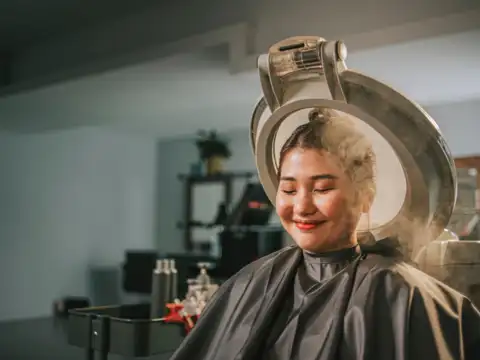
Heat styling tools like straighteners, curling irons, and blow dryers expose hair to high temperatures, weakening the keratin structure. This leads to split ends, frizz, and gradual thinning. If you must use them, apply a good quality heat-protectant spray beforehand and stick to the lowest heat setting.
Avoid tying your hair too tightly in buns or ponytails, especially when wet, as it causes traction alopecia over time. Also, swap your regular towels for microfiber ones and let your hair air dry whenever possible. Reducing chemical and mechanical damage is one of the easiest ways to manage long-term hair fall.
Opt for a sulfate-free, pH-balanced shampoo that gently cleanses without damaging the hair shaft. You don’t need to shampoo daily, 2 to 3 times a week is ideal. Overwashing can dry out your scalp and make your hair more prone to breakage.
Heat styling tools like straighteners, curling irons, and blow dryers expose hair to high temperatures, weakening the keratin structure. This leads to split ends, frizz, and gradual thinning. If you must use them, apply a good quality heat-protectant spray beforehand and stick to the lowest heat setting.
Avoid tying your hair too tightly in buns or ponytails, especially when wet, as it causes traction alopecia over time. Also, swap your regular towels for microfiber ones and let your hair air dry whenever possible. Reducing chemical and mechanical damage is one of the easiest ways to manage long-term hair fall.
5/7
Try aloe vera for calming the scalp
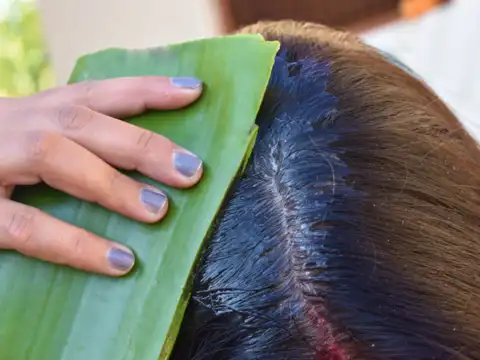
Aloe vera isn’t just great for your skin, it works wonders on your scalp too. It contains proteolytic enzymes that repair dead skin cells, reduce scalp inflammation, and promote healthy follicle function. Its anti-inflammatory, anti-fungal, and cooling properties make it ideal for treating dandruff, scalp itchiness, and mild psoriasis.
To use aloe vera for hair, extract the fresh gel from a leaf and apply it directly to your scalp and hair. Leave it on for about 30-45 minutes before washing it off with a gentle shampoo. For added benefits, mix the gel with a few drops of tea tree oil or hibiscus powder to boost antimicrobial effects.Aloe vera also maintains scalp pH, which is essential for hair strength and shine. Unlike heavy oils or harsh serums, aloe is lightweight and suitable even for oily scalps. Its high water content hydrates and rejuvenates dry or sun-damaged hair strands.
Using aloe vera 2-3 times a week can visibly reduce flakiness, control hair fall caused by scalp issues, and make your hair feel softer and healthier. It’s a gentle, natural remedy that suits nearly every hair type.
To use aloe vera for hair, extract the fresh gel from a leaf and apply it directly to your scalp and hair. Leave it on for about 30-45 minutes before washing it off with a gentle shampoo. For added benefits, mix the gel with a few drops of tea tree oil or hibiscus powder to boost antimicrobial effects.Aloe vera also maintains scalp pH, which is essential for hair strength and shine. Unlike heavy oils or harsh serums, aloe is lightweight and suitable even for oily scalps. Its high water content hydrates and rejuvenates dry or sun-damaged hair strands.
Using aloe vera 2-3 times a week can visibly reduce flakiness, control hair fall caused by scalp issues, and make your hair feel softer and healthier. It’s a gentle, natural remedy that suits nearly every hair type.

6/7
Stress Less, sleep more
Emotional stress is a major and often ignored trigger of chronic hair fall. When the body undergoes prolonged mental or physical stress, it produces high levels of cortisol, a hormone that disrupts the natural hair growth cycle. This condition, known as telogen effluvium, pushes hair follicles into the resting phase prematurely, causing sudden and noticeable shedding.
Lack of proper sleep further worsens the situation. Your body repairs cells and regenerates tissues during deep sleep, including hair follicles. Disrupted sleep leads to hormonal imbalance and poor circulation, which slows down follicle recovery.
Managing stress doesn’t require a complete lifestyle overhaul. Start with simple practices like daily breathing exercises, guided meditation, journaling your thoughts, and maintaining a consistent sleep schedule. Avoid doom-scrolling and screen time an hour before bed—blue light interferes with melatonin, the sleep hormone.
Even 7 to 8 hours of quality sleep can drastically improve your hair’s recovery process. Combine this with stress-reducing habits and you’ll not only feel better mentally, but your hair will begin to regain its strength and volume naturally.
Lack of proper sleep further worsens the situation. Your body repairs cells and regenerates tissues during deep sleep, including hair follicles. Disrupted sleep leads to hormonal imbalance and poor circulation, which slows down follicle recovery.
Managing stress doesn’t require a complete lifestyle overhaul. Start with simple practices like daily breathing exercises, guided meditation, journaling your thoughts, and maintaining a consistent sleep schedule. Avoid doom-scrolling and screen time an hour before bed—blue light interferes with melatonin, the sleep hormone.
Even 7 to 8 hours of quality sleep can drastically improve your hair’s recovery process. Combine this with stress-reducing habits and you’ll not only feel better mentally, but your hair will begin to regain its strength and volume naturally.
7/7
Go herbal with bhringraj & brahmi
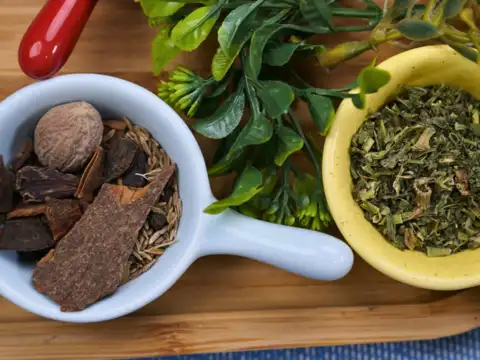
Ayurveda offers powerful, time-tested herbs that strengthen hair from the roots and promote new growth. Two such stars are Bhringraj and Brahmi, both known as the king and queen of hair herbs.
Bhringraj improves blood circulation to the scalp, stimulates dormant follicles, and prevents premature greying. It also soothes scalp inflammation and reduces dandruff. Brahmi, on the other hand, cools the scalp, strengthens hair follicles, and reduces split ends. Together, they work to reduce breakage, improve texture, and encourage thicker growth.
You can use these herbs as oils, powders, or even in DIY hair masks. For oil application, warm Bhringraj or Brahmi oil and gently massage it into your scalp. Leave it overnight or for at least 1-2 hours before washing. For a nourishing mask, mix the powders with yogurt or aloe vera gel and apply weekly.
Consistency is key, most people notice visible results within 6 to 8 weeks of regular use. These herbs are free from chemicals and offer a holistic approach to hair care. Trusted for generations, they’re safe, affordable, and remarkably effective for controlling hair fall.
Bhringraj improves blood circulation to the scalp, stimulates dormant follicles, and prevents premature greying. It also soothes scalp inflammation and reduces dandruff. Brahmi, on the other hand, cools the scalp, strengthens hair follicles, and reduces split ends. Together, they work to reduce breakage, improve texture, and encourage thicker growth.
You can use these herbs as oils, powders, or even in DIY hair masks. For oil application, warm Bhringraj or Brahmi oil and gently massage it into your scalp. Leave it overnight or for at least 1-2 hours before washing. For a nourishing mask, mix the powders with yogurt or aloe vera gel and apply weekly.
Consistency is key, most people notice visible results within 6 to 8 weeks of regular use. These herbs are free from chemicals and offer a holistic approach to hair care. Trusted for generations, they’re safe, affordable, and remarkably effective for controlling hair fall.