
Hair fall control — 4 major mistakes to stop immediately
1/6
Why hair fall spikes suddenly
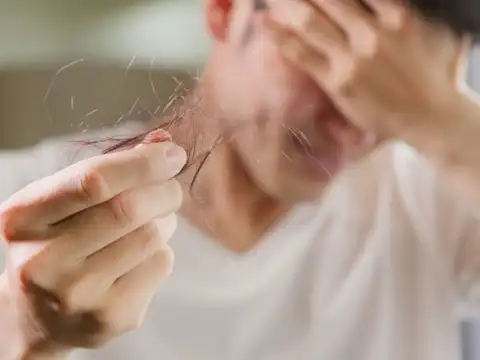
Seasonal change, stress, illness, and product buildup can push more strands into a shedding phase. When routines add heat, harsh washing, or poor diet, the fallout multiplies. Small corrections bring quick relief.
2/6
Decode shedding vs breakage
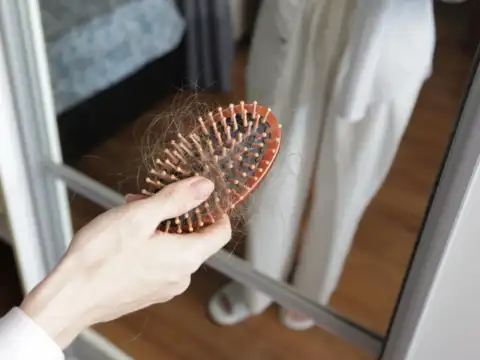
Shedding shows a tiny white bulb at the root, while breakage is mid-length snap with frayed ends. Shedding needs scalp and nutrition care. Breakage needs gentle handling and heat control.

3/6
Harsh washing and rough drying
Very hot water, daily shampooing, and vigorous towel-rubbing lift the cuticle and irritate the scalp. Do instead: wash 2–3 times a week, use lukewarm water, massage gently, condition mid-lengths to ends, and blot dry with a microfiber towel or soft T-shirt.
Amazon Top Deals
POWERED BY

4/6
Heat styling without protection
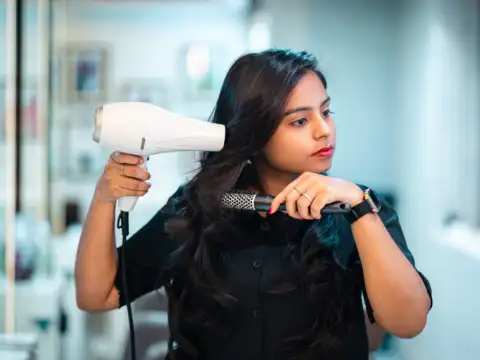
High-temperature straightening and curling weaken bonds, causing breakage that looks like hair fall. Do instead: apply heat protectant every time, use the lowest effective temp, air-dry 50% before blow-drying, limit passes, and schedule two heat-free days weekly.
5/6
Tight hairstyles and rough accessories
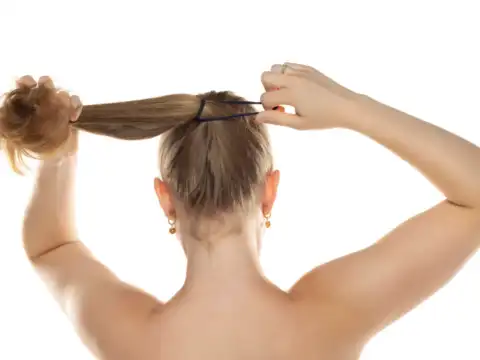
Constant tight ponytails, braids, rubber bands, and metal clips cause traction along the hairline and crown. Do instead: loosen styles, rotate parting, choose fabric scrunchies and smooth claw clips, and avoid tugging the same zones daily.
6/6
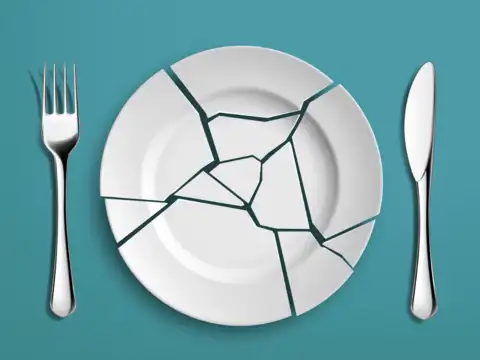
Crash diets and low protein
Sudden calorie cuts and low protein starve follicles, triggering excess shedding 6–12 weeks later. Do instead: add protein to every meal with eggs, paneer or tofu, dals and sprouts, fish, nuts, seeds, and leafy greens. If shedding persists, check thyroid, ferritin, vitamin D, and B12 and see a dermatologist.