
H3N2 flu outbreak in Delhi-NCR: All about symptoms, treatment, and prevention tips

1/6
H3N2 surge in Delhi-NCR
Delhi-NCR is witnessing a sharp rise in flu-like infections, with the H3N2 strain emerging as the main culprit. A LocalCircles survey reveals nearly 70% of households in Delhi, Noida, Gurugram, Faridabad, and Ghaziabad are affected.
2/6
Understanding H3N2 virus
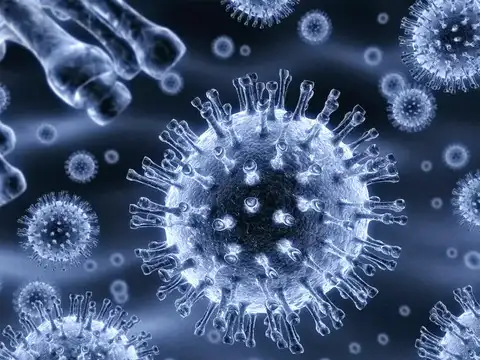
H3N2 is a subtype of influenza A marked by haemagglutinin type 3 (H3) and neuraminidase type 2 (N2). Known for frequent mutations, it causes seasonal flu outbreaks of varying severity. High-risk groups include children, elderly, pregnant women, and people with chronic conditions such as asthma, diabetes, or heart ailments.
3/6
Key warning signs
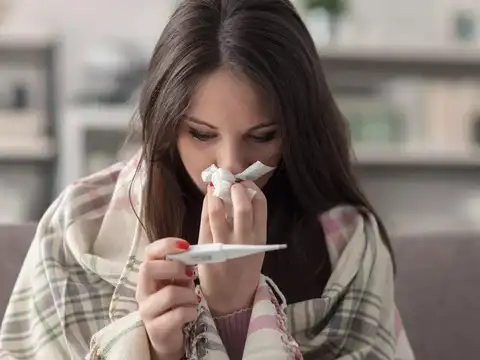
H3N2 usually starts with high fever, chills, sore throat, cough, headache, fatigue, and body aches. Nasal congestion is common, while children may also experience nausea or diarrhoea. Recovery often takes 7–10 days, though lingering cough and weakness are frequently reported.
Amazon Top Deals
POWERED BY

Crompton Ozone 75 Litres Desert Air Cooler for home | Large & Easy Clean Ice Chamber | 4-Way Air Deflection | High Density Honeycomb Pads | Everlast Pump | Auto Fill| 3 Year Brand Warranty
₹9,798Buy Now43%
OFF

LG 32 L Convection Microwave Oven (MC3286BRUM, Black, 360° Motorised Rotisserie for Bar-be-queing, 301 Auto Cook Menu, Stainless steel cavity, Indian Cuisine, Tandoor Se, Steam Clean & Diet Fry)
₹19,340Buy Now19%
OFF

4/6
Transmission
H3N2 primarily spreads through respiratory droplets released when an infected person coughs, sneezes, or talks. The virus can also survive on surfaces, infecting people who touch these surfaces and then their face, making close contact and shared spaces high-risk areas.
5/6
Managing H3N2 Flu
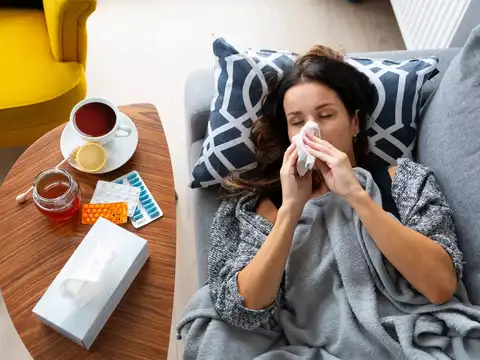
Most cases resolve with rest, hydration, and basic medication. But if symptoms worsen—such as persistent fever, chest pain, or breathing problems—seek immediate medical help. Doctors may prescribe antivirals like oseltamivir if started early.

6/6
Staying Safe from H3N2
Adopt preventive measures like frequent handwashing, wearing masks in crowded areas, keeping spaces well-ventilated, and getting seasonal flu vaccines. Quick detection and timely care are crucial to reduce severity and limit spread.