
Gym trainer warn these 5 push-up mistakes strain joints and kill gains
1/6
Common push-up errors
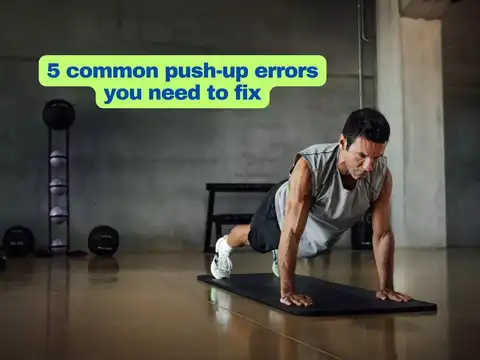
Push-ups look simple, yet small errors can quietly cancel their benefits. Many people perform dozens daily without building strength or protecting joints. This slideshow explains five common push-up mistakes that make the exercise ineffective, and how correcting them can restore strength gains, safety, and confidence.

2/6
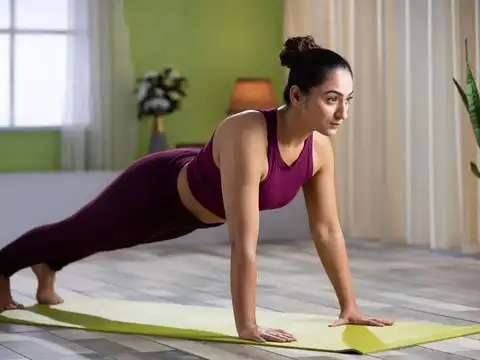
Letting the hips sag or pike up
A sagging or raised hip breaks body alignment and shifts stress to the lower back and shoulders. Push-ups work best when the body forms a straight line from head to heels. Core engagement protects the spine and improves chest and arm activation.
3/6
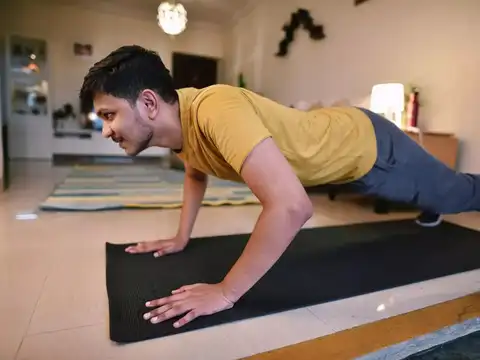
Flaring the elbows too wide
Elbows pushed straight out strain the shoulder joint and reduce chest involvement. Research shows a moderate elbow angle improves muscle activation and joint safety. Keeping elbows slightly tucked allows better force transfer and lowers injury risk during repeated push-ups.
Amazon Top Deals
POWERED BY

Crompton Ozone 75 Litres Desert Air Cooler for home | Large & Easy Clean Ice Chamber | 4-Way Air Deflection | High Density Honeycomb Pads | Everlast Pump | Auto Fill| 3 Year Brand Warranty
₹9,798Buy Now43%
OFF

LG 32 L Convection Microwave Oven (MC3286BRUM, Black, 360° Motorised Rotisserie for Bar-be-queing, 301 Auto Cook Menu, Stainless steel cavity, Indian Cuisine, Tandoor Se, Steam Clean & Diet Fry)
₹19,090Buy Now20%
OFF
4/6
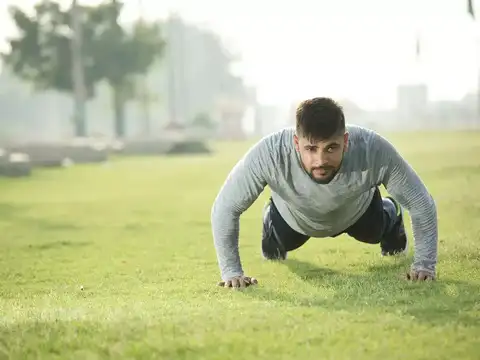
Rushing through the repetitions
Fast push-ups rely on momentum, not muscle control. This limits strength gains and increases joint stress. Slowing the movement improves time under tension, which is key for muscle growth. Controlled push-ups also sharpen body awareness and breathing rhythm.
5/6
Incomplete range of motion
Half push-ups cheat the muscles. Skipping the bottom or top phase reduces chest, shoulder, and triceps engagement. Full range movement improves strength and mobility together. Lower until the chest nears the floor, then press up fully without locking the elbows.
6/6
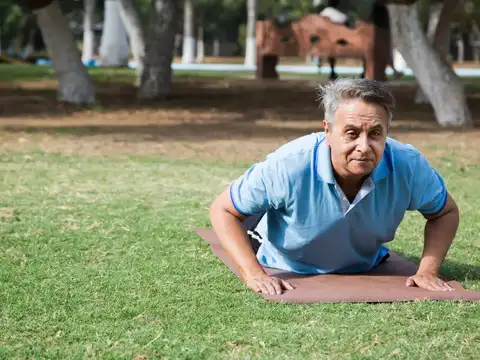
Ignoring breathing and neck position
Holding the breath or craning the neck disrupts stability. Exhaling during the push and keeping the neck neutral improves coordination and endurance. Proper breathing supports core pressure, while a relaxed neck prevents tension headaches and shoulder fatigue.
(Disclaimer: This story is strictly for educational purposes only and does not substitute any professional medical advice and should not be considered as professional medical advice.)
(Disclaimer: This story is strictly for educational purposes only and does not substitute any professional medical advice and should not be considered as professional medical advice.)