
From modak to sheer khurma: 6 iconic desserts with deep religious roots
1/7
Desserts with divine origins
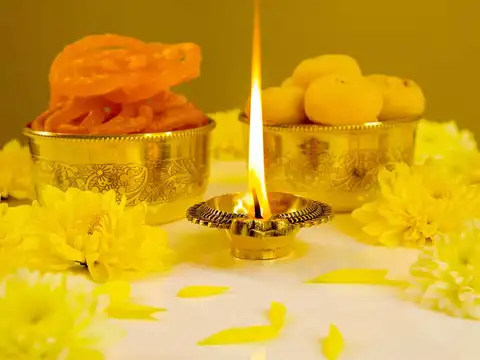
Food and spirituality have always gone hand in hand. Rituals of offerings, fasting, and celebrations often lead to dishes rich in both meaning and taste. Across faiths, desserts are offered to gods, shared as blessings, or made to mark sacred occasions. What began as ritual became tradition, binding sweetness with belief. Here are desserts where devotion meets indulgence.
2/7
Modak – Lord Ganesha’s favourite treat
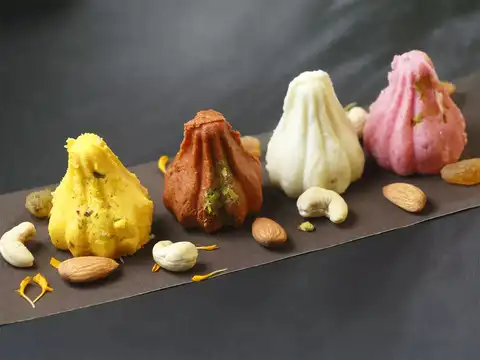
In Maharashtra, Ganesh Chaturthi is incomplete without modaks. Believed to be Ganesha’s most-loved sweet, these dome-shaped dumplings are filled with coconut and jaggery, then steamed or fried. More than festive delights, they are offerings of devotion, welcoming the deity with every bite.
3/7
Sheer khurma – sweetness of Eid
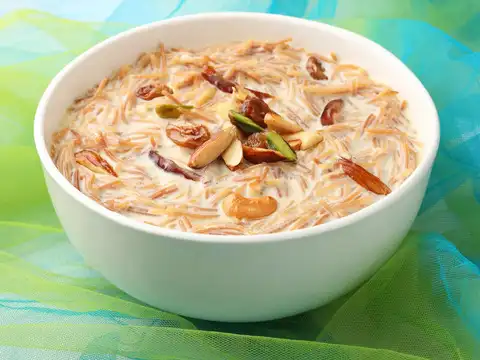
On Eid-ul-Fitr, kitchens brim with sheer khurma, a dessert of milk, vermicelli, dates, and nuts. Literally “milk with dates,” it is more than food—it’s hospitality in a bowl. Served to family, neighbours, and guests, it symbolises unity, generosity, and joy at the end of Ramadan.
Amazon Top Deals
POWERED BY

4/7
Hot cross buns – symbols of Good Friday
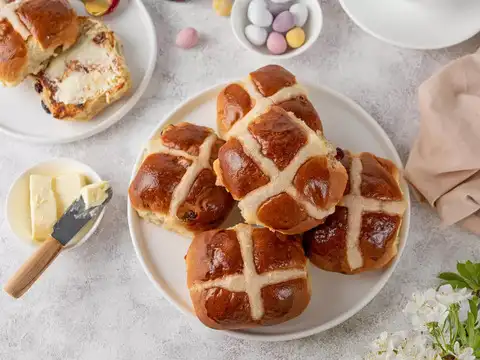
Hot cross buns, marked with a flour paste cross, date back to medieval England and Good Friday. Spiced and sweet, these buns were once seen as protective blessings. Today, raisins, cinnamon, and glaze keep the faith-filled flavour alive.
5/7
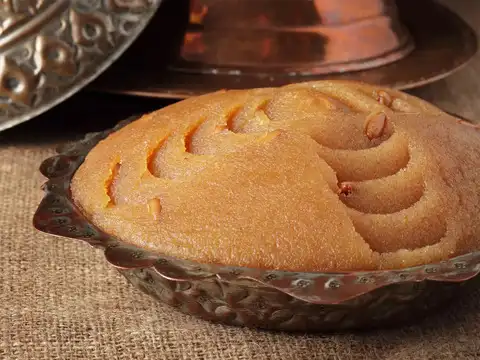
Kada prasad – halwa of equality
At Sikh gurdwaras, kada prasad—made from wheat flour, ghee, and sugar—is prepared in huge cauldrons and shared with all. Beyond its rich taste, it represents equality, humility, and divine grace, making every spoonful an act of shared devotion.
6/7
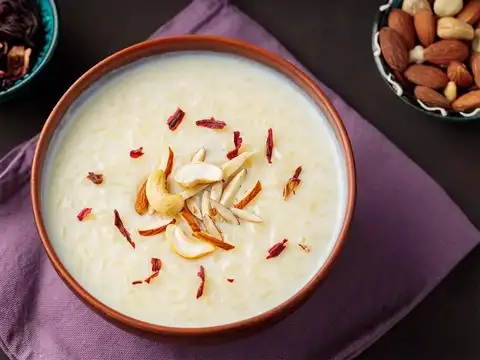
Phirni – cooling comfort of Iftar
At Iftar, phirni—a chilled pudding of rice, milk, saffron, and cardamom—offers soothing relief after fasting. Served in clay bowls, it’s more than dessert; it embodies patience, faith, and the reward of devotion fulfilled.
7/7
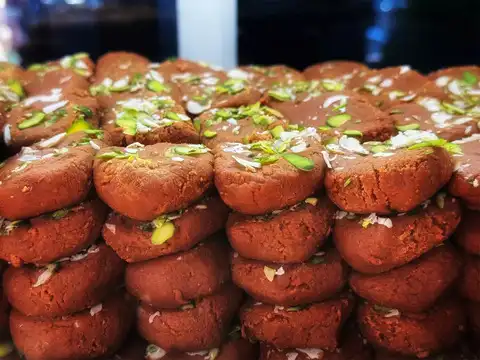
Peda – prasad of temples
In temples across India, especially Mathura and Vrindavan, pedas are distributed as prasad. Made of khoya, sugar, and cardamom, they carry blessings from the sanctum. Small yet soulful, they are symbols of devotion taken home by worshippers.