
From asthma to muscle tension: 5 health issues of prolonged AC usage
1/7
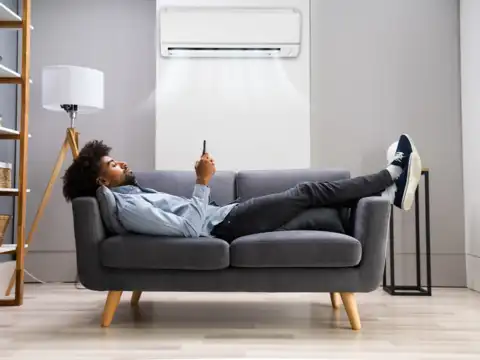
Air-conditioning risks
Air-conditioning is helpful in heat, but prolonged, poorly ventilated, or poorly maintained AC exposure can trigger dryness, respiratory irritation, and “sick building” symptoms. These alerts explain risks and easy fixes.

2/7
Dry skin and eyes
Cool, dehumidified air strips moisture from skin and tear film, leading to flaky skin, itchiness, and irritated, blurry eyes over long hours indoors; frequent short breaks, hydrating creams, and a humidifier help restore balance.

3/7
Dehydration and headaches
Low indoor humidity increases insensible water loss through breathing and skin, contributing to dehydration, headaches, and fatigue; keep water at hand, limit very low thermostat settings, and add electrolytes during long AC days.
Amazon Top Deals
POWERED BY

Crompton Ozone 75 Litres Desert Air Cooler for home | Large & Easy Clean Ice Chamber | 4-Way Air Deflection | High Density Honeycomb Pads | Everlast Pump | Auto Fill| 3 Year Brand Warranty
₹9,798Buy Now43%
OFF

atomberg Studio Smart+ 1200mm BLDC Ceiling Fan with IoT & Remote | BEE 5 star Rated Energy Efficient Ceiling Fan | High Air Delivery with LED Indicators | 3 Year Warranty (Earth Brown)
₹5,882Buy Now36%
OFF

LG 32 L Convection Microwave Oven (MC3286BRUM, Black, 360° Motorised Rotisserie for Bar-be-queing, 301 Auto Cook Menu, Stainless steel cavity, Indian Cuisine, Tandoor Se, Steam Clean & Diet Fry)
₹19,340Buy Now19%
OFF

4/7
Respiratory irritation and allergies
AC can worsen nasal dryness and carry dust, pollen, and dander when filters are dirty, aggravating rhinitis, asthma, or cough; change filters on schedule, vacuum regularly, and ventilate with fresh air windows or exhaust fans when feasible.

5/7
Sick building syndrome (SBS)
Spending long periods in under‑ventilated, air‑conditioned spaces correlates with nonspecific symptoms like headaches, dizziness, mental fatigue, and throat/eye irritation; improve airflow, maintain ducts, and schedule outdoor air exchanges to reduce SBS complaints.
6/7
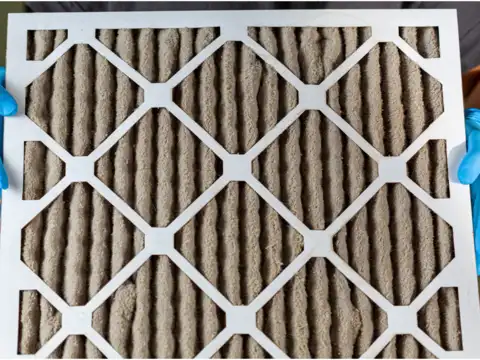
Mold, microbes, and poor maintenance
Condensation and clogged filters can harbor mold and microbes that recirculate indoors, raising risks for sensitive lungs; clean drip pans, service coils and ducts, maintain proper drainage, and use HEPA-grade filtration where possible.

7/7
Temperature swings and muscle tension
Over‑cooling can cause muscle stiffness and thermal discomfort, especially when moving between hot outdoors and very cold rooms; aim for a moderate set point (around 24–26°C), dress in light layers, and avoid direct cold drafts on neck or back.
(Disclaimer: This is educational only and not medical advice; persistent cough, wheeze, or eye/skin irritation warrants clinical evaluation).
(Disclaimer: This is educational only and not medical advice; persistent cough, wheeze, or eye/skin irritation warrants clinical evaluation).