
Forward versus Backward walking: which is more beneficial for heart and blood sugar control?

1/7
Forward walking versus Backward Walking
Most folks assume all walking works the same. Wrong. Recent research shows backward walking demands 17 to 20 percent more cardiovascular effort than forward walking at identical speeds, plus better blood sugar control markers. But forward walking wins on sustainability and joint safety. Here's what science actually says.
2/7
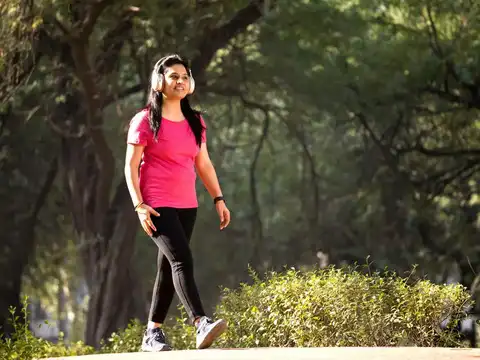
Forward walking: steady, sustainable, proven
Standard walking strengthens your heart gradually. Studies show five minutes post-meal walking cuts blood sugar spikes by measurable amounts. Every 1,000 extra daily steps drops major heart event risk by 17 to 20 percent. Safe for knees too.
3/7
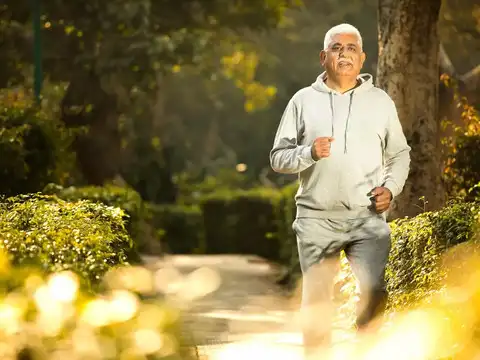
Backward walking: the metabolic booster
Walking backward kicks oxygen consumption up by 17 to 20 percent compared to forward at the same pace. Your heart works harder. Research shows backward walkers torch more calories without adding time. Perfect for time-pressed folks.
Amazon Top Deals
POWERED BY

4/7
Heart rate response differs dramatically
Backward walking spikes your heart rate higher faster. Researchers measured both directions on uphill treadmills: every grade showed backward walking demanding significantly more cardiac effort. Your cardiovascular system gets a superior workout instantly.

5/7
Blood sugar control: forward takes the crown
Post-meal walks lower glucose immediately. Data shows even tiny five-minute strolls flatten spikes. Backward walking burns energy differently but less research exists on glucose-specific effects. Forward walking remains the evidence-backed choice here.
6/7
Joint stress: backward is gentler overall
Backward walking reduces knee joint compression forces substantially. People recovering from knee injuries often prefer it. Forward walking, when overdone, can strain knees. If joints ache, reverse walking causes less discomfort during identical distances.

7/7
Muscle engagement: different jobs, different muscles
Backward walking activates underused quadriceps and glutes intensely. Forward walking primarily targets calves and shins. Neither is "better," just different recruitment patterns. Mixing both builds balanced lower body strength practically.
(Disclaimer: This story is strictly for educational purposes only and does not substitute any professional medical advice and should not be considered as professional medical advice.)
(Disclaimer: This story is strictly for educational purposes only and does not substitute any professional medical advice and should not be considered as professional medical advice.)