
Forget scans -This one step gives 80% of your diagnosis, says Top Neurologist
1/8
Doctor REVEALS: The no-test trick that gives 80% of your diagnosis
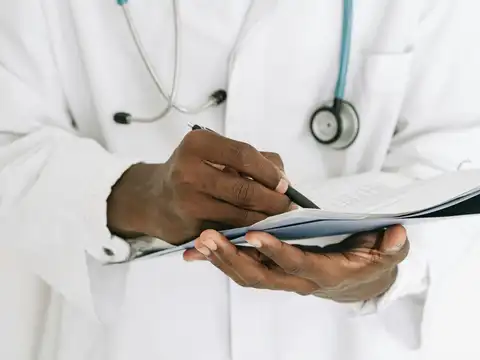
In a recent social media post, neurologist Dr. Sudhir Kumar reveals that the most powerful diagnostic tool isn’t a scan or blood report. He argues that up to 80% of a patient’s diagnosis comes from careful history taking and physical examination. In today’s tech-heavy medical world, he urges a return to bedside evaluation.

2/8
Why history matters more than you think
Dr. Kumar explains that patients’ stories often reveal crucial clues that tests can’t capture. Many symptoms like pain, patterns and subtle changes emerge only when doctors truly listen. For him, understanding a patient’s daily life and troubles is often the first step to real insight.
3/8
The dangers of over-testing
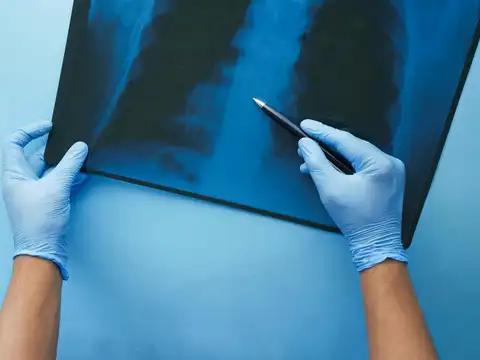
According to Dr. Kumar, ordering more scans and biomarkers isn’t always helpful, it can even backfire. Excessive investigations can lead to incidental findings, false positives, and unnecessary costs. Rather than clarity, too many tests sometimes create confusion and anxiety for patients.
Amazon Top Deals
POWERED BY

4/8
The power of a detailed physical exam
Along with a patient’s story, a focused physical exam remains a cornerstone of diagnosis. Dr. Kumar believes that checking reflexes, observing gait, and examining closely can unlock hidden conditions. These time-tested skills can offer critical insights before turning to expensive technology.

5/8
Real-world examples that prove his point
Dr. Kumar shared real cases to illustrate how bedside skills solved mysteries. In one case, a patient mentioned scalp pain and jaw discomfort, leading to a diagnosis of temporal arteritis when tests had turned up nothing. In another, repeating a test after careful history revealed a hidden heart attack.

6/8
Subtle signs that led to diagnosis
He also highlighted a case of subarachnoid hemorrhage that initial scans missed, but surfaced when the patient described “the worst headache of their life.” Other conditions, like hyperthyroidism and Parkinson’s, were uncovered only after deep questioning and aimed physical checks. These examples show how detail matters more than machine precision.

7/8
A message to young doctors
Dr Kumar’s advice to junior doctors is clear: technology should support, not replace clinical reasoning. He encourages them to prioritize patient conversations, ask meaningful questions, and refine their bedside skills. In his view, tests should confirm, not define, the path to an accurate diagnosis.
8/8
Return to fundamentals for better medicine
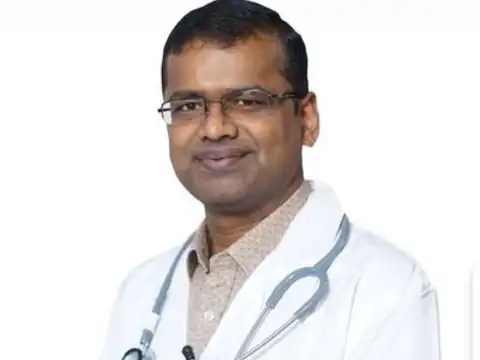
Dr Kumar’s message is simple: even in an age of advanced scans, diagnosis starts with human interaction. Listening deeply and examining carefully often uncovers answers no test can and true clarity comes when technology supports and not replaces the doctor’s clinical instinct.
- Disclaimer: The information provided in this content is for general awareness only and should not be considered a substitute for professional medical advice, diagnosis, or treatment. Always seek the guidance of a qualified healthcare provider or your own doctor with any questions you may have regarding a medical condition or health concerns. ET bears no responsibility for the accuracy, completeness, or outcomes arising from the use of this information.