
Feeling old? 8 body parts that tighten up as you get older
1/6
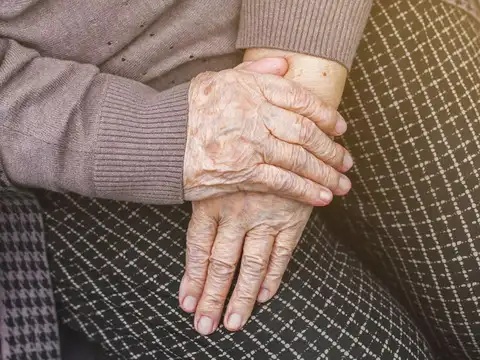
Why Your Body Feels Stiff
Your body's flexibility declines because collagen production drops from age 25 onwards, synovial fluid that lubricates joints decreases, and muscle fibers shrink. Tendons and ligaments lose elasticity. This isn't weakness—it's wear and tear. The good news: movement and stretching counteract this naturally.
2/6
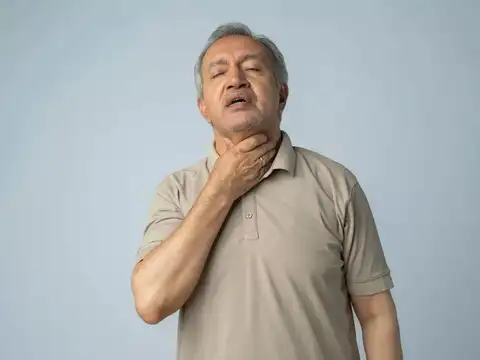
Neck and Shoulders: Tech Posture's Twin Toll
Degenerative disc disease thins spinal discs between vertebrae, reducing cushioning. Forward head posture from phones and screens accelerates this. Shoulder mobility drops as the rotator cuff weakens. Daily neck rolls and shoulder circles—even 30 seconds hourly—restore range and ease stiffness dramatically.

3/6
Lower Back and Lumbar Spine: The Desk Job Culprit
Sitting compresses lumbar discs and dehydrates them. Extensor muscles weaken, forcing spine to work harder. Extension movements become painful first. Counter this: stand every hour, do gentle cat-cow stretches, and engage your core through walking or swimming. Hydration matters hugely too.
Amazon Top Deals
POWERED BY

Crompton Ozone 75 Litres Desert Air Cooler for home | Large & Easy Clean Ice Chamber | 4-Way Air Deflection | High Density Honeycomb Pads | Everlast Pump | Auto Fill| 3 Year Brand Warranty
₹9,798Buy Now43%
OFF

atomberg Studio Smart+ 1200mm BLDC Ceiling Fan with IoT & Remote | BEE 5 star Rated Energy Efficient Ceiling Fan | High Air Delivery with LED Indicators | 3 Year Warranty (Earth Brown)
₹5,903Buy Now36%
OFF

LG 32 L Convection Microwave Oven (MC3286BRUM, Black, 360° Motorised Rotisserie for Bar-be-queing, 301 Auto Cook Menu, Stainless steel cavity, Indian Cuisine, Tandoor Se, Steam Clean & Diet Fry)
₹19,340Buy Now19%
OFF

4/6
Hips and Hip Flexors: Sitting Shrinks Range
Hip extension range drops by up to 20 percent between your 30s and 60s. Tight hip flexors from prolonged sitting pull your pelvis forward. Tight hips cascade into lower back pain. Lunges, glute bridges, and pigeon pose unlock hips fast and restore your walking gait meaningfully.

5/6
Knees: Cartilage Thinning's Silent Signal
Knee cartilage wears down, and synovial fluid decreases, creating stiffness after sitting. Weak quadriceps muscles fail to support knees properly. Climbing stairs feels harder. Cycling, quads exercises, and hamstring stretches shore up knee stability without pounding joints excessively hard.
6/6
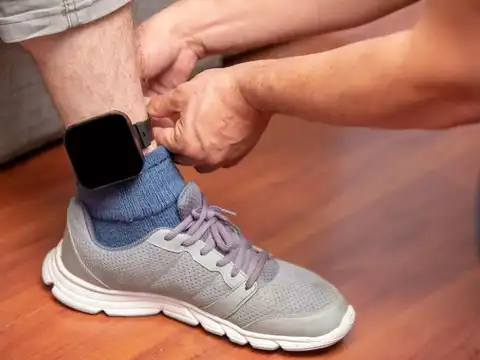
Ankles and Calves: The Overlooked Lower Limb
Calf muscles shorten and stiffen, limiting dorsiflexion (toe-pointing upward). Ankles lose mobility, affecting balance and gait. Tight calves also pull your whole posterior chain taut. Wall stretches and ankle circles daily restore suppleness and reduce fall risk considerably.
(Disclaimer: This story is strictly for educational purposes only and does not substitute any professional medical advice and should not be considered as professional medical advice.)
(Disclaimer: This story is strictly for educational purposes only and does not substitute any professional medical advice and should not be considered as professional medical advice.)