
Fatigue is a heart attack sign? Cardiologist warns how women can miss critical cardiac cues
1/5
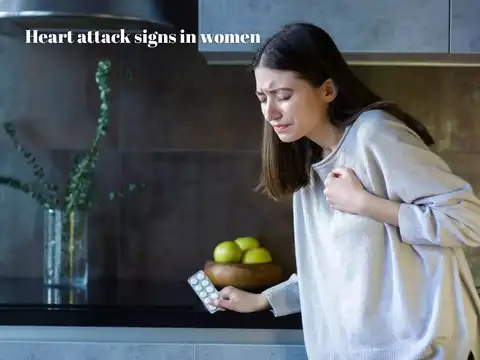
Heart attack symptoms in women
Most of us picture heart attacks as sudden, dramatic chest clutching. But for women, reality looks starkly different. Fatigue creeps in, breathing becomes labored, jaw aches, or stomachaches surface. These whispers get brushed aside as stress or acidity, sometimes until it's too late. Understanding why women's hearts send muted distress signals can be the difference between life and death.
2/5
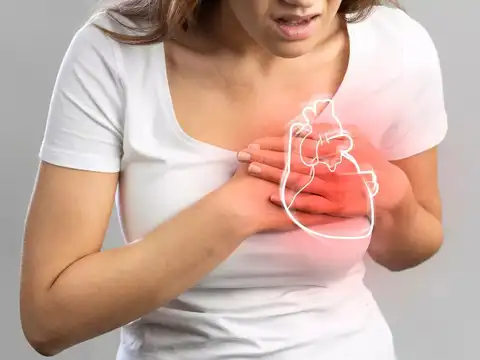
The Biology Behind Silent Symptoms
Women's heart disease often attacks smaller blood vessels (called coronary microvascular disease) rather than large arteries men typically experience. This scattered damage causes diffuse, subtle discomfort instead of localized, dramatic pain. Estrogen protects hearts before menopause, but as hormone levels plummet afterward, vulnerability skyrockets. Smaller arteries mean smaller warning signs.
3/5
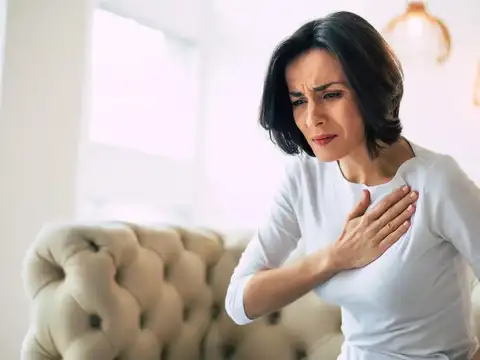
Sneaky Warning Signs Women Actually Experience
Forget crushing chest pain. Watch instead for unexplained exhaustion that won't quit, shortness of breath during everyday tasks, jaw or neck discomfort, nausea mimicking stomach upset, and lightheadedness. These feel manageable, which makes them dangerous. Women rationalize symptoms away as aging, work stress, or poor digestion—not realizing their hearts are crying for help.
Amazon Top Deals
POWERED BY

Crompton Ozone 75 Litres Desert Air Cooler for home | Large & Easy Clean Ice Chamber | 4-Way Air Deflection | High Density Honeycomb Pads | Everlast Pump | Auto Fill| 3 Year Brand Warranty
₹9,999Buy Now42%
OFF

LG 32 L Convection Microwave Oven (MC3286BRUM, Black, 360° Motorised Rotisserie for Bar-be-queing, 301 Auto Cook Menu, Stainless steel cavity, Indian Cuisine, Tandoor Se, Steam Clean & Diet Fry)
₹19,090Buy Now20%
OFF

4/5
Why Women Don't Seek Help Fast Enough
Women juggle careers, families, household responsibilities. When subtle symptoms emerge, they get buried under daily stress. Unlike men's dramatic presentations, women's symptoms don't command immediate attention. By the time a woman finally calls her doctor, precious minutes have passed. Delayed recognition leads to worse outcomes: more heart muscle damage, steeper mortality rates, prolonged recovery.
5/5
Prevention and Early Detection Strategies
After age 35, prioritize regular blood pressure, blood sugar, and cholesterol checks, especially if family history looms. Consider stress tests or heart imaging if risk factors exist. Daily habits matter enormously: eat more vegetables and lean proteins, cut processed foods, exercise moderately for 30 minutes most days, quit smoking, limit alcohol, and manage stress deliberately. Post-menopausal women need heightened vigilance.
(Disclaimer: This story is strictly for educational purposes only and does not substitute any professional medical advice and should not be considered as professional medical advice.)
(Disclaimer: This story is strictly for educational purposes only and does not substitute any professional medical advice and should not be considered as professional medical advice.)