
Estrogen in women can affect symptoms? 4 diseases that affect women differently than men
1/5
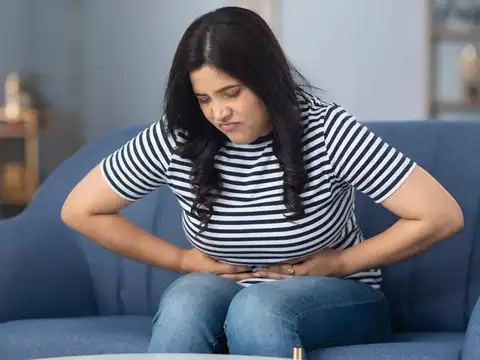
Women have different symptoms
Women can have different risk factors, warning signs, and long‑term outcomes for the same disease, and some life events—pregnancy, menopause, autoimmune conditions—change risk in ways men don’t experience; recognizing these differences speeds diagnosis and saves lives.
2/5
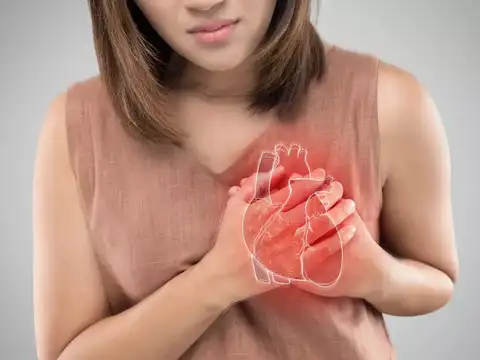
Heart disease in women
What’s different: Women often develop heart disease later, may have smaller blood vessels, and can show non‑classic heart attack symptoms like shortness of breath, nausea, back or jaw pain, or extreme fatigue, not just chest pain.Unique risk factors: Low estrogen after menopause, pregnancy complications like preeclampsia (high blood pressure in pregnancy) and gestational diabetes (diabetes first recognized in pregnancy), autoimmune diseases (for example, lupus and rheumatoid arthritis) raise risk more in women.

3/5
Stroke in women
What’s different: More women than men die of stroke; risk rises with age and with female‑specific factors such as pregnancy, combined hormonal birth control, migraine with aura, and menopause‑related changes.Warning signs to know: Sudden face droop, arm weakness, and speech trouble; also watch for sudden confusion, vision loss, severe headache, or imbalance; call emergency services immediately—time is brain.
Amazon Top Deals
POWERED BY

Crompton Ozone 75 Litres Desert Air Cooler for home | Large & Easy Clean Ice Chamber | 4-Way Air Deflection | High Density Honeycomb Pads | Everlast Pump | Auto Fill| 3 Year Brand Warranty
₹9,798Buy Now43%
OFF
LG 32 L Convection Microwave Oven (MC3286BRUM, Black, 360° Motorised Rotisserie for Bar-be-queing, 301 Auto Cook Menu, Stainless steel cavity, Indian Cuisine, Tandoor Se, Steam Clean & Diet Fry)
₹18,790Buy Now22%
OFF
4/5
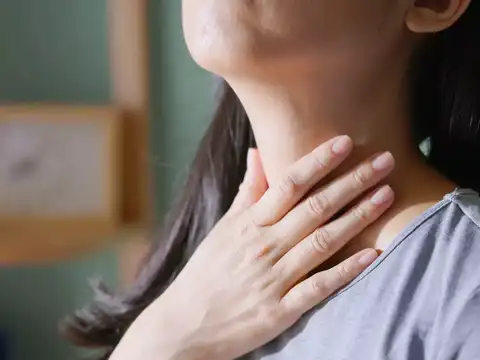
Autoimmune thyroid disease (hypothyroidism and hyperthyroidism)
What’s different: Women are far more likely to develop autoimmune thyroid problems—Hashimoto’s disease (an autoimmune cause of hypothyroidism, or underactive thyroid) and Graves’ disease (an autoimmune cause of hyperthyroidism, or overactive thyroid).Everyday symptoms: Underactive thyroid can cause fatigue, weight gain, hair loss, feeling cold, constipation, and heavy periods; overactive thyroid can cause weight loss, anxiety, sweating, rapid heartbeat, and period changes; a simple blood test (thyroid‑stimulating hormone, free thyroxine) guides diagnosis and treatment.
5/5
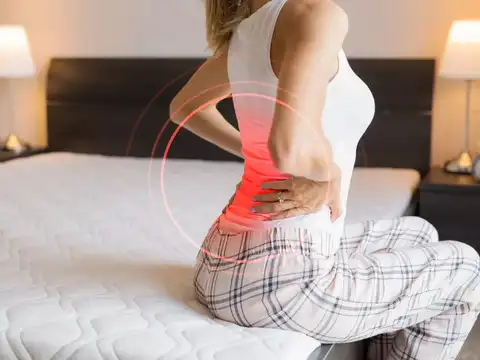
Osteoporosis (weak, fragile bones)
What’s different: About 80% of osteoporosis cases are in women; women have smaller, thinner bones and lose bone faster after menopause as estrogen drops, increasing fracture risks at the hip, spine, and wrist.What to do: Get bone density screening (dual‑energy X‑ray absorptiometry) after menopause or earlier if at risk; prioritize calcium, vitamin D, protein, resistance exercise, and fall prevention; medicines are available when fracture risk is high.
(Disclaimer: This story is not for professional medical advice and does not substitute any medical advice. This is strictly for educational purposes alone.)
(Disclaimer: This story is not for professional medical advice and does not substitute any medical advice. This is strictly for educational purposes alone.)