
Edwin Hubble's 1924 discovery: how his breakthrough led to modern cosmology and ultimately to the realization that “the universe is expanding”
1/8
What Hubble stumbled upon that autumn
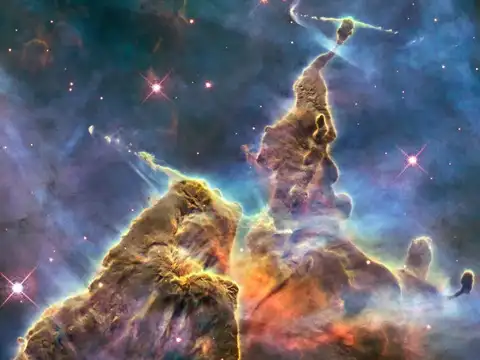
On November 23, 1924, The New York Times ran a short notice about an astronomer who'd cracked something massive. Edwin Hubble had just shown the world that those fuzzy nebula patches weren't mist inside our galaxy. They were entire galaxies themselves, sitting unfathomably far out in the void. It's the moment everything changed.
2/8
Before Hubble: the universe had smaller dreams
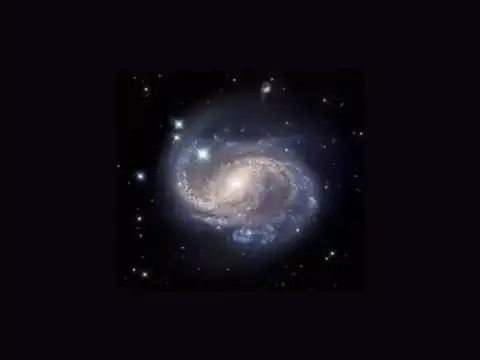
Scientists genuinely thought the Milky Way was it. The whole show. Everything visible, everything that mattered. Spiral nebulae looked like clouds to them—gas and dust swirling around inside our own cosmic neighborhood. Nobody suspected they were separate universes teeming with billions of stars. The idea would've sounded outlandish.
3/8
The Hooker telescope: muscle that made history
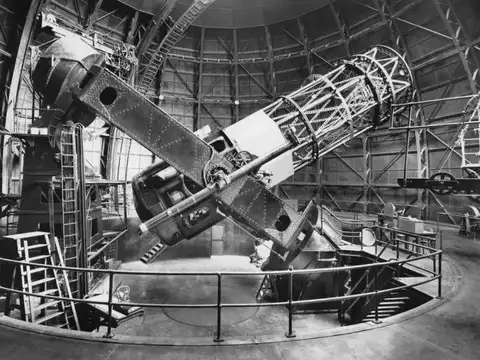
Mount Wilson's 100-inch Hooker was cutting-edge weaponry for astronomy then. Hubble used it to spot Cepheid variable stars, a specific type that blinks predictably. By measuring their brightness and rhythm, he calculated distances. Andromeda wasn't close. It was incomprehensibly, staggeringly far. A different island altogether.
Amazon Top Deals
POWERED BY

Crompton Ozone 75 Litres Desert Air Cooler for home | Large & Easy Clean Ice Chamber | 4-Way Air Deflection | High Density Honeycomb Pads | Everlast Pump | Auto Fill| 3 Year Brand Warranty
₹9,798Buy Now43%
OFF

atomberg Studio Smart+ 1200mm BLDC Ceiling Fan with IoT & Remote | BEE 5 star Rated Energy Efficient Ceiling Fan | High Air Delivery with LED Indicators | 3 Year Warranty (Earth Brown)
₹5,882Buy Now36%
OFF

LG 32 L Convection Microwave Oven (MC3286BRUM, Black, 360° Motorised Rotisserie for Bar-be-queing, 301 Auto Cook Menu, Stainless steel cavity, Indian Cuisine, Tandoor Se, Steam Clean & Diet Fry)
₹19,340Buy Now19%
OFF
4/8
Andromeda unveiled as a separate galaxy
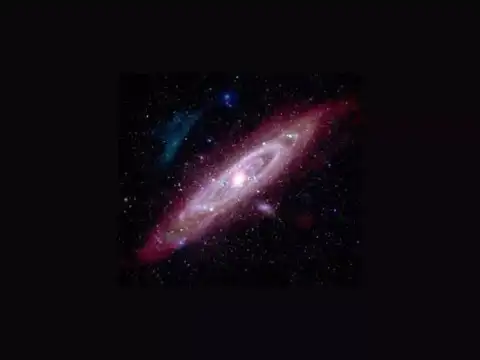
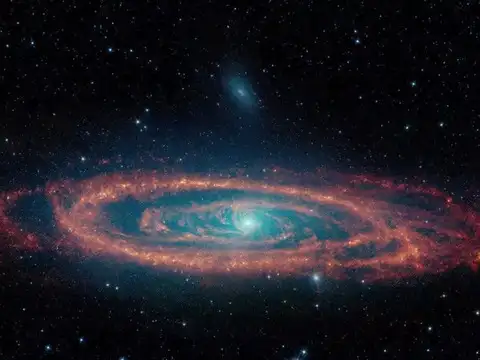
That fuzzy patch people had studied for centuries wasn't misty gas around us. It was two trillion stars arranged in a spiral, orbiting a supermassive black hole, drifting 2.5 million light-years away. Andromeda was kin to the Milky Way but utterly, irrevocably separate. We had a cosmic neighbor.
5/8
Why this hit like a philosophical bomb
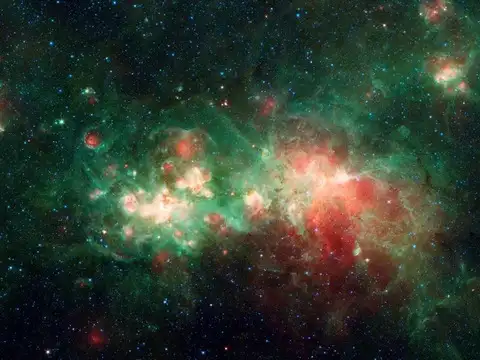
Humanity had just been evicted from the center of everything. We weren't the universe's whole story anymore. Suddenly there were other island universes out there, cold and indifferent, full of their own mysteries. It felt smaller and larger simultaneously. The ground beneath human certainty shifted.
6/8
The birthplace of modern cosmology
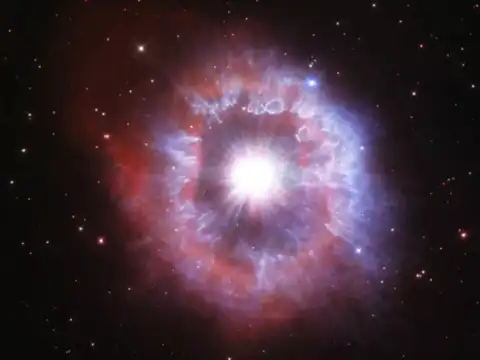
Hubble's work didn't just expand the map. It let scientists ask new questions. If other galaxies exist, are they moving? How far does the universe actually stretch? What's its shape? These questions kicked off the entire field of modern cosmology. Hubble himself would spend the next decade answering them.
7/8
From static cosmos to an expanding universe
Within a few years, Hubble noticed those distant galaxies were moving away from us. The universe wasn't a fixed museum piece. It was expanding, stretching, accelerating outward like the surface of an inflating balloon. This observation became the foundation for everything we now understand about the Big Bang.
8/8
Legacy that echoes a century later
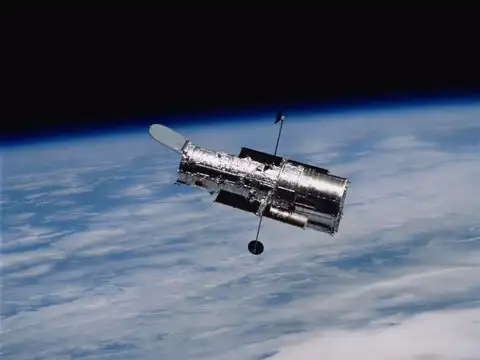
We still measure cosmic distances using Hubble's methods. The Hubble Space Telescope bears his name. Hubble's Law describes how the universe expands. He didn't just make a discovery; he handed us a lens through which every cosmic question we ask today makes sense. November 23, 1924, really did matter.