
Eating past 8 PM? Your next day energy is ruined to begin with; Immediate effects of late dinners;

1/6
When dinner becomes your worst enemy
Your body runs on circadian rhythms—internal timers that govern sleep, hunger, and metabolism. Eating late disrupts these rhythms fundamentally. Glucose spikes at night, melatonin production plummets, and your body struggles to process what you've eaten. The result: you wake up exhausted, not refreshed.
2/6
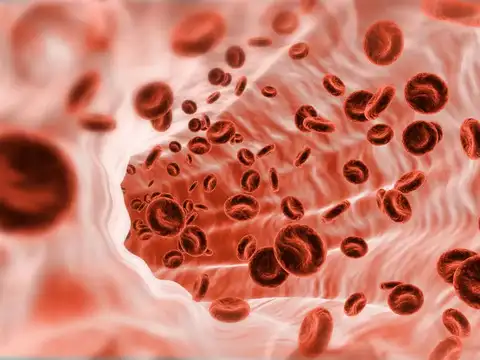
Blood sugar chaos and insulin dysregulation
Late dinners trigger insulin surges when your body's least equipped to handle them. Blood glucose remains elevated during sleep, straining your pancreas. By morning, your insulin sensitivity has cratered, leaving you craving carbs and sweets. That post-lunch crash you blame on work? It started at dinner last night.

3/6
Sleep quality deterioration and melatonin suppression
Eating late suppresses melatonin, the hormone that signals sleep time. Your body stays in pseudo-alert mode, fragmenting sleep architecture. You log eight hours but wake feeling like you've slept three. Worse, broken sleep perpetuates the hunger-hormone imbalance, making you ravenous and irritable by 9 AM.
Amazon Top Deals
POWERED BY

Crompton Ozone 75 Litres Desert Air Cooler for home | Large & Easy Clean Ice Chamber | 4-Way Air Deflection | High Density Honeycomb Pads | Everlast Pump | Auto Fill| 3 Year Brand Warranty
₹9,798Buy Now43%
OFF

LG 32 L Convection Microwave Oven (MC3286BRUM, Black, 360° Motorised Rotisserie for Bar-be-queing, 301 Auto Cook Menu, Stainless steel cavity, Indian Cuisine, Tandoor Se, Steam Clean & Diet Fry)
₹19,340Buy Now19%
OFF
4/6
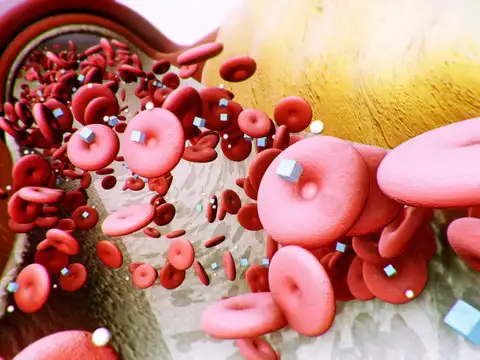
Metabolic slowdown and fat storage acceleration
Your metabolism doesn't simply "turn off" at night, but it does shift toward conservation mode. Calories consumed late get stored as fat preferentially since your body has minimal activity ahead. Overnight, your resting metabolic rate plummets further, amplifying fat deposition. Morning sluggishness follows.

5/6
Brain fog, concentration loss, and emotional dysregulation
Sleep deprivation from late eating impairs prefrontal cortex function—the seat of focus and emotional regulation. You're irritable, scattered, and unable to concentrate. Cortisol (stress hormone) remains elevated, amplifying anxiety. Your afternoon productivity craters because neurologically, you're running on fumes.

6/6
The hunger-hormone spiral and appetite dyscontrol
Late eating dysregulates leptin and ghrelin—your satiety and hunger hormones. You feel perpetually hungry despite eating more. Cravings intensify at 3 PM. This vicious cycle perpetuates itself: poor sleep begets hunger begets late eating begets worse sleep. Breaking it requires deliberate dinner timing Finish dinner three to four hours before bed. Avoid sugar, caffeine, and heavy fats post-evening. Hydrate well. discipline.
(Disclaimer: This story is purely for educational purposes only. It does not substitute for professional medical advice nor should it be considered as professional medical advice.)
(Disclaimer: This story is purely for educational purposes only. It does not substitute for professional medical advice nor should it be considered as professional medical advice.)