
Eating fruits can be bad for you? Unexpected side effects of bad timings

1/6
The timing question nobody talks about
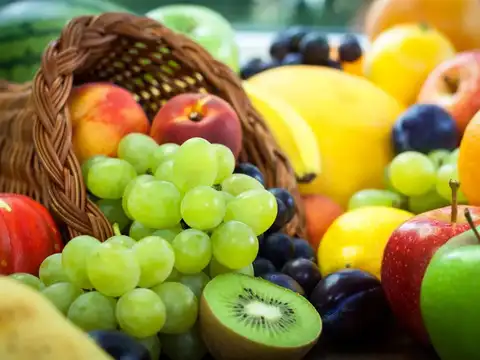
Fruit's fiber slows sugar release, but when you eat it—and what you pair it with—shifts the impact. Morning sugar spikes and afternoon crashes aren't myths; they're metabolic reality that smart timing can genuinely improve.
2/6
Empty stomach vs. with meals: The glucose difference
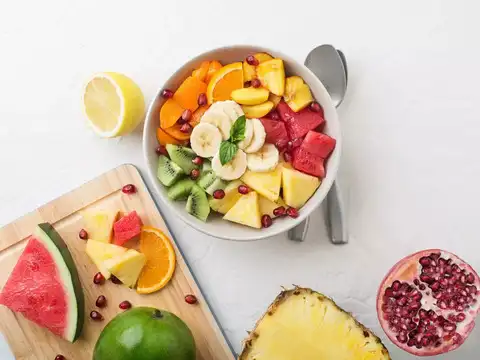
Eating fruit solo causes faster blood sugar rises than pairing it with nuts, yogurt, or eggs. Protein and fat slow carbohydrate digestion, buffering the glucose spike. Science backs this: pair your apple with almond butter, not alone.
3/6
Why breakfast timing reshapes your whole day
Eating within 30 minutes of waking dumps cortisol and growth hormone into your bloodstream. Eating then? Glucose spikes 30% harder. Wait one to two hours after waking, and your body stabilizes, making food's impact more manageable throughout the day.
Amazon Top Deals
POWERED BY

Crompton Ozone 75 Litres Desert Air Cooler for home | Large & Easy Clean Ice Chamber | 4-Way Air Deflection | High Density Honeycomb Pads | Everlast Pump | Auto Fill| 3 Year Brand Warranty
₹9,798Buy Now43%
OFF

LG 32 L Convection Microwave Oven (MC3286BRUM, Black, 360° Motorised Rotisserie for Bar-be-queing, 301 Auto Cook Menu, Stainless steel cavity, Indian Cuisine, Tandoor Se, Steam Clean & Diet Fry)
₹19,340Buy Now19%
OFF

4/6
Ripeness, variety, and glycemic index: Pick smarter
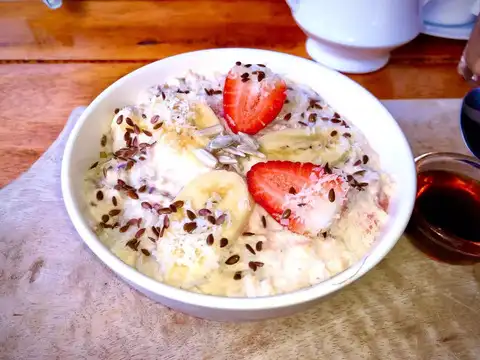
Ripe bananas spike blood sugar more than green ones. Berries and apples rank lower on the glycemic index than dates or grapes. Choose firmer fruits and consume them 30 minutes before starchy meals to reduce the overall glucose response to that meal.
5/6
The fructose fallacy vs. whole fruit truth
Juice spikes glucose; whole fruit with fiber doesn't. Fructose goes to your liver first, not straight into bloodstream. Fiber ties glucose to a slow, controlled release—why whole fruit stays safe for diabetics, but juices spike aggressively.

6/6
Afternoon slumps and meal sequencing: Reset your routine
Eating carbs last, after protein and vegetables, reduces post-meal glucose peaks by nearly 50 percent. Swapping breakfast order—fruit first, carbs later—flattens blood sugar. Small tweak, measurable difference, especially for insulin-resistant bodies.
(Disclaimer: This story is strictly for educational purposes only and does not substitute any professional medical advice and should not be considered as professional medical advice.)
(Disclaimer: This story is strictly for educational purposes only and does not substitute any professional medical advice and should not be considered as professional medical advice.)