
Driving mistakes that could signal something serious about your brain health
1/5
Why Driving Reveals Brain Health
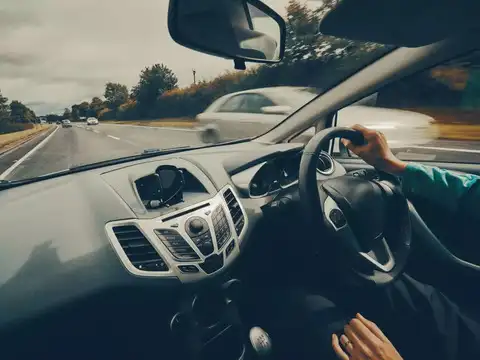
Driving uses more of your brain than you realize. It needs attention, quick visual processing, spatial mapping, planning, and instant reactions. Cognitive decline touches all these. Before someone admits forgetfulness or scores poorly on memory tests, their driving often changes first, acting as a real-world window into brain function.
2/5
The Study: GPS Tracking Reality
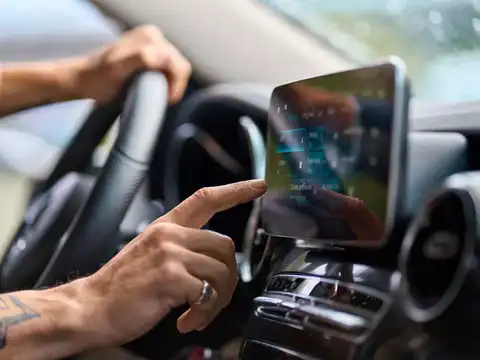
Researchers from Washington University installed GPS devices in cars of nearly 300 older adults. They tracked driving patterns for over three years, comparing those with normal thinking to those developing mild cognitive impairment (early memory loss stage). At the start, both groups drove similarly. The divergence happened over time.

3/5
The Telltale Shifts
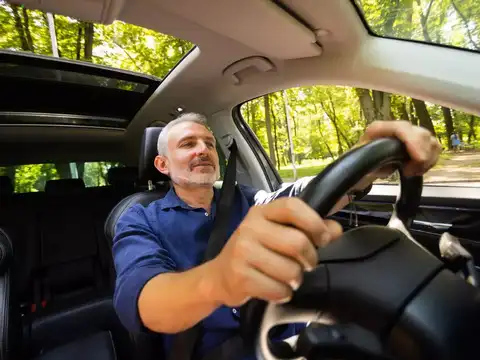
People with emerging memory issues drove fewer trips monthly. They ditched nighttime driving even when they once handled it fine. They repeated the same simple routes, avoided new destinations, kept trips shorter, and drove less at high speeds. Healthy drivers didn't show these steep consistent drops.
Amazon Top Deals
POWERED BY

Crompton Ozone 75 Litres Desert Air Cooler for home | Large & Easy Clean Ice Chamber | 4-Way Air Deflection | High Density Honeycomb Pads | Everlast Pump | Auto Fill| 3 Year Brand Warranty
₹9,798Buy Now43%
OFF

LG 32 L Convection Microwave Oven (MC3286BRUM, Black, 360° Motorised Rotisserie for Bar-be-queing, 301 Auto Cook Menu, Stainless steel cavity, Indian Cuisine, Tandoor Se, Steam Clean & Diet Fry)
₹19,340Buy Now19%
OFF
4/5
Beyond Simple Caution
Some older adults wisely skip highways or night drives for safety. But the memory impairment group showed something steeper and more automatic, beyond deliberate caution. It resembled unconscious compensation, like planning skills fading so subtly they stopped driving errands without realizing why.
5/5
Red Flags Worth Watching
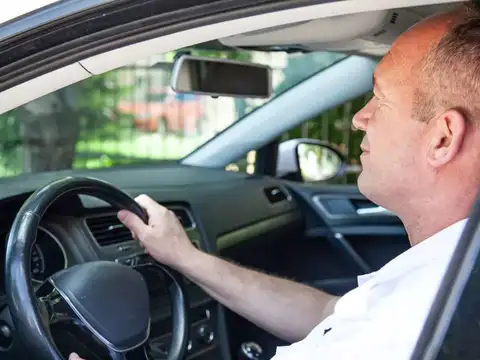
Rigidly sticking to one easy route. Dropping nighttime or highway drives that felt normal before. Getting briefly lost in familiar areas. Drifting lanes or slow reactions. New stress about traffic. Close calls without crashes. These don't diagnose disease, but they whisper it's time for a neurologist visit.
(Disclaimer: This story is strictly for educational purposes only and does not substitute any professional medical advice and should not be considered as professional medical advice.)
(Disclaimer: This story is strictly for educational purposes only and does not substitute any professional medical advice and should not be considered as professional medical advice.)
READ MORE:
Driving patterns cognitive decline |early signs memory loss driving |mild cognitive impairment symptoms |brain health driving habits |dementia driving behavior changes |memory loss warning signs |older adults driving safety |neurological decline indicators |GPS tracking brain health |early dementia detection methods