
Dr Rashmi Shetty Reveals the Biggest Moisturising Mistake We All Make

1/8
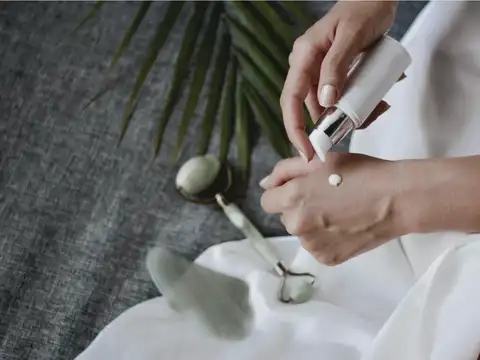
Why Moisturizer Fails Sometimes
Using the best prescribed moisturizer yet feeling dry, Dr Rashmi Shetty explains the issue is often how you use it, not the product itself.
2/8
Moisturizer Needs Reapplication
She says moisturizer, like sunscreen, needs reapplication because air conditioning, sun exposure, makeup, and constant face-touching reduce hydration during the day.

3/8
One Application Isn’t Enough
According to Dr Rashmi, applying moisturizer only once cannot maintain hydration, as daily activities continuously strip moisture from your skin.
Amazon Top Deals
POWERED BY

Crompton Ozone 75 Litres Desert Air Cooler for home | Large & Easy Clean Ice Chamber | 4-Way Air Deflection | High Density Honeycomb Pads | Everlast Pump | Auto Fill| 3 Year Brand Warranty
₹9,798Buy Now43%
OFF

LG 32 L Convection Microwave Oven (MC3286BRUM, Black, 360° Motorised Rotisserie for Bar-be-queing, 301 Auto Cook Menu, Stainless steel cavity, Indian Cuisine, Tandoor Se, Steam Clean & Diet Fry)
₹19,340Buy Now19%
OFF
4/8
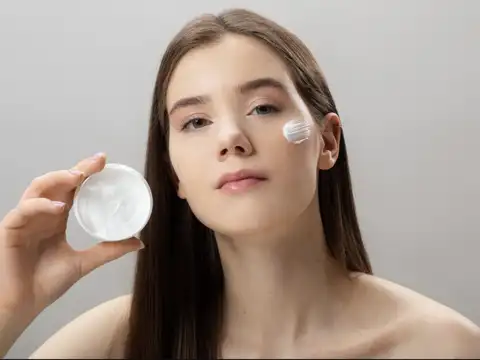
Thick Doesn’t Mean Hydrating
Dr Rashmi Shetty warns that very thick moisturizers may sit on top of the skin, sealing temporarily without truly hydrating deeper layers.

5/8
Layer Like Winter Clothing
Using a winter clothing analogy, she explains skincare should be layered light, hydrating products first, followed by heavier ones for lasting comfort.

6/8
Routine for Extremely Dry Skin
Dr Rashmi recommends starting with a mist, then essence, serum, and moisturizer, and finishing with sunscreen during the daytime for extremely dry skin.

7/8
Routine for Mildly Dry Skin
If skin is just dry, She advises keeping it simple with two layers of essence followed by a moisturizer.

8/8
Hydration Is a Technique
Dr Rashmi Shetty emphasizes healthy skin comes from smart layering, proper reapplication, and absorption not from relying on one heavy cream alone.
- Disclaimer: The information provided in this content is for general awareness only and should not be considered a substitute for professional medical advice, diagnosis, or treatment. Always seek the guidance of a qualified healthcare provider or your own doctor with any questions you may have regarding a medical condition or health concerns. ET bears no responsibility for the accuracy, completeness, or outcomes arising from the use of this information.