
Don’t have to chew food 32 times? Gastro Doctor proposes this 15:15:15 method for smoother digestion and feeling full for a long-time

1/6
Gastro Doctor, Dr. Pal advises for better chewing
Dr. Pal Manickam is a gastroenterologist and internal medicine physician who has built a reputation for translating dense medical concepts into everyday language. He recently shared a fascinating talk about the lost art of chewing. Using an analogy comparing Jhanvi Kapoor who takes big bites but eats less overall to someone who rushes through meals, he unpacks why the speed and thoroughness of chewing can be the difference between feeling satisfied and constantly hungry, and why your gut and brain need time to have a proper conversation.

2/6
The 32-times rule: where it came from
The idea of chewing food 32 times per bite is often attributed to the number of teeth we have, 32 in total, suggesting each tooth should get a turn at breaking down every mouthful. This concept was popularized by Horace Fletcher, an American health enthusiast from the early 1900s who earned the nickname "The Great Masticator." Fletcher believed that chewing food until it liquefied would prevent overeating, improve digestion, and even save money.

3/6
Dr. Pal's practical alternative: the 15-15-15 method
Recognizing that counting 32 chews per bite is tedious and unrealistic for most people, Dr. Pal proposes a simpler framework he calls it, the 15-15-15 method of chewing. Chew for 15 seconds, pause for 15 seconds to let your body register what you have eaten, then take another 15 seconds before the next bite. This rhythm slows the meal down without turning eating into a chore, giving your digestive system time to signal satiety and preventing the mechanical rush that leads to overeating. The pauses are crucial because they allow gut hormones to start their work and give the brain a chance to catch up with the stomach.
Amazon Top Deals
POWERED BY

Crompton Ozone 75 Litres Desert Air Cooler for home | Large & Easy Clean Ice Chamber | 4-Way Air Deflection | High Density Honeycomb Pads | Everlast Pump | Auto Fill| 3 Year Brand Warranty
₹9,798Buy Now43%
OFF

LG 32 L Convection Microwave Oven (MC3286BRUM, Black, 360° Motorised Rotisserie for Bar-be-queing, 301 Auto Cook Menu, Stainless steel cavity, Indian Cuisine, Tandoor Se, Steam Clean & Diet Fry)
₹19,340Buy Now19%
OFF
4/6
The vagus nerve: your gut-brain hotline
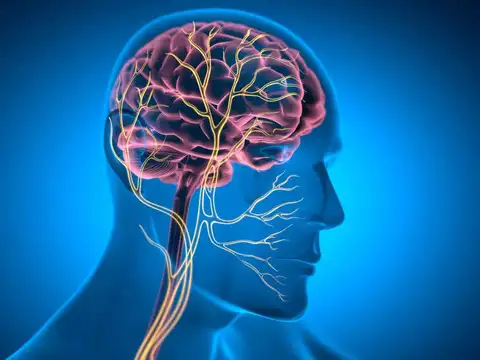
When you eat slowly and chew thoroughly, you activate a remarkable communication pathway called the vagus nerve, a long cranial nerve which acts as a two-way hotline between your gut and your brain. As your stomach begins to stretch with food, mechanoreceptors, basically stretch sensors, send signals up the vagus nerve to the brain, saying "we are getting full here." The brain then processes this information and starts dialing down your appetite. If you eat too quickly, this conversation never happens in time, and you end up consuming far more than your body actually needs before the "stop eating" signal arrives.
5/6
Leptin and ghrelin: the hunger-fullness duo
Two hormones play starring roles in regulating whether you feel hungry or satisfied. Ghrelin, often called the "hunger hormone," is secreted by cells in the stomach when it is empty, sending a signal to the brain that it is time to eat. As you consume food, ghrelin levels drop. On the flip side, leptin is released by fat cells and acts as a satiety signal, telling the brain that you have enough energy stored and do not need to keep eating. When you eat slowly and chew well, these hormones have time to rise and fall in sync with your actual intake. Rush through a meal, and ghrelin stays elevated while leptin lags behind, leaving you prone to overeating even when you have had enough calories.
6/6
Why liquids are easier to digest
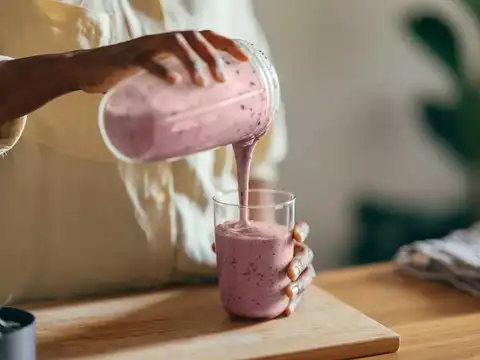
Dr. Pal also touches on why liquids and well-chewed, almost liquid food are gentler on the digestive system. When food is broken down thoroughly in the mouth, mixed with saliva and enzymes, and enters the stomach as a semi-liquid paste, the stomach and intestines can process it more efficiently. Less mechanical work is required, nutrients are absorbed more effectively, and there is less risk of indigestion or bloating. This is why soups, smoothies, and porridges are often recommended for people with sensitive stomachs or digestive issues. The closer your solid food gets to a liquid consistency through chewing, the easier the entire digestive cascade becomes.
(Disclaimer: This story is not for professional medical advice and does not substitute any medical advice; it is strictly for educational purposes alone.)
(Disclaimer: This story is not for professional medical advice and does not substitute any medical advice; it is strictly for educational purposes alone.)