
Don’t get cheated: 7 easy tips to pick sweet & juicy mangoes while buying
1/7
Don’t judge mangoes by bright yellow colour alone
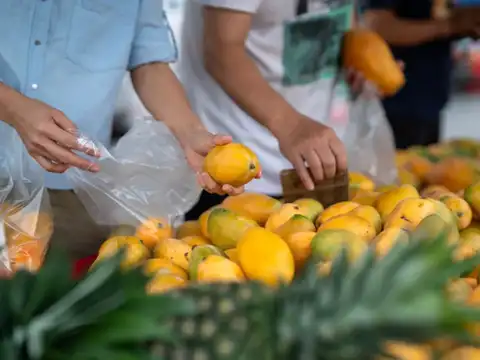
Many people think the more yellow the mango, the better it is. But that’s not always true in Indian markets.
Some varieties like Alphonso turn golden, while others like Dasheri or Langra stay green even when ripe. So instead of colour, focus on smell and softness.
Some varieties like Alphonso turn golden, while others like Dasheri or Langra stay green even when ripe. So instead of colour, focus on smell and softness.
2/7
Check the “fruit perfume” near the stem
This is something most shoppers ignore.
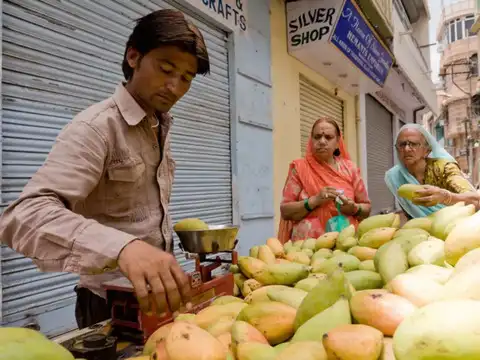
Bring the mango close to your nose and smell near the top (stem area). A sweet, fruity aroma usually means it’s ripe and ready to eat. No smell often means it’s still raw.
Bring the mango close to your nose and smell near the top (stem area). A sweet, fruity aroma usually means it’s ripe and ready to eat. No smell often means it’s still raw.
3/7
Gently squeeze — but don’t press too hard
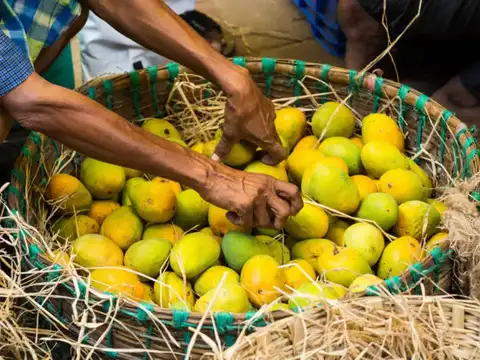
A perfect mango should feel slightly soft when you press it lightly with your fingers.
If it is too hard, it may be unripe. If it is too mushy, it is likely overripe. Think of it like checking a ripe avocado — soft but not squishy.
If it is too hard, it may be unripe. If it is too mushy, it is likely overripe. Think of it like checking a ripe avocado — soft but not squishy.
Amazon Top Deals
POWERED BY

4/7
Look for natural spots, not perfect skin
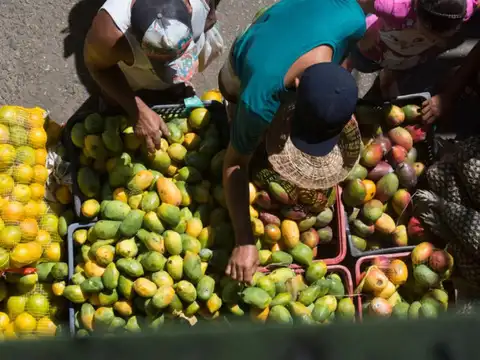
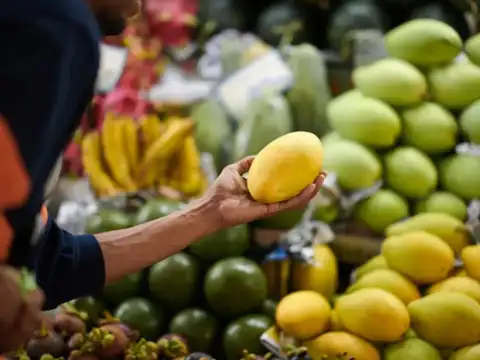
In India, we often reject mangoes that have small black spots or patches. But many times, those are naturally ripened fruits.
Completely spotless mangoes are sometimes artificially ripened or not fully mature. A few natural marks are completely fine.
Completely spotless mangoes are sometimes artificially ripened or not fully mature. A few natural marks are completely fine.
5/7
Check the shape — not all mangoes are equal
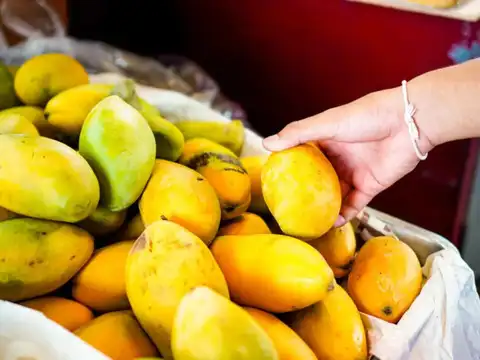
Shape can tell a lot about taste.
Round and plump mangoes usually have more pulp. Long or uneven ones may have more fibre. Pick fruits that feel full and balanced in hand.
Round and plump mangoes usually have more pulp. Long or uneven ones may have more fibre. Pick fruits that feel full and balanced in hand.
6/7
Avoid mangoes kept in ice or water trays
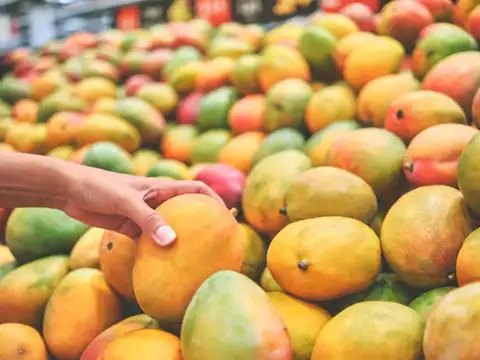
Many vendors keep mangoes in cold water or ice to make them look fresh.
These mangoes may look shiny but often lose natural sweetness. Always prefer mangoes stored in dry baskets or crates.
These mangoes may look shiny but often lose natural sweetness. Always prefer mangoes stored in dry baskets or crates.
7/7
Ask for “tree-ripened” instead of “fast-ripened”
If you are buying in bulk, always ask the seller if the mangoes are naturally ripened.
Tree-ripened mangoes are sweeter and more aromatic compared to chemically ripened ones often found in early-season bulk stock.
Tree-ripened mangoes are sweeter and more aromatic compared to chemically ripened ones often found in early-season bulk stock.