
Doctors sound alarm on 'bone burnout' in the 30s: Here’s how to save your joints
1/5
Bone burnout in young adults
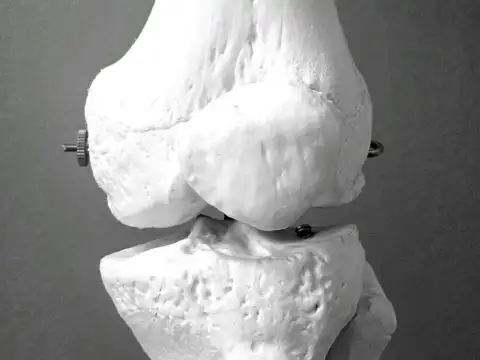
More people in their 30s and 40s are experiencing joint problems once thought to affect only the elderly, warns Dr Shrikanth Madikattu, Consultant Orthopaedics at Manipal Hospital, Baner, Pune. He calls this rising trend “bone burnout”, a slow but damaging wear and tear of the joints that can start silently with mild stiffness or discomfort and progress to serious mobility issues if left unchecked.
2/5
Why knees are the first to suffer
The knee joint is one of the most used and weight-bearing joints, making it highly vulnerable. Dr Madikattu notes that early-onset osteoarthritis can even appear in people in their late 20s when cartilage cushioning the bones starts to wear away. Factors such as genetic predisposition, sports injuries, vitamin D deficiency, and obesity can speed up this damage. A sedentary lifestyle also weakens the muscles and ligaments supporting the joints, meaning they can no longer absorb shock effectively.
3/5
How bone burnout develops
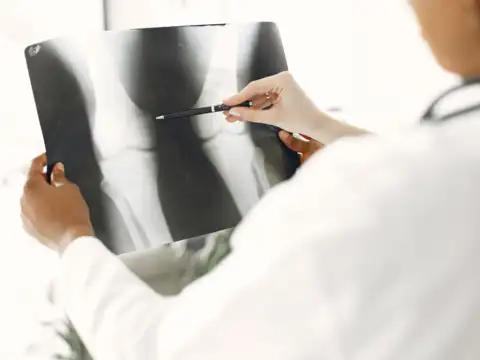
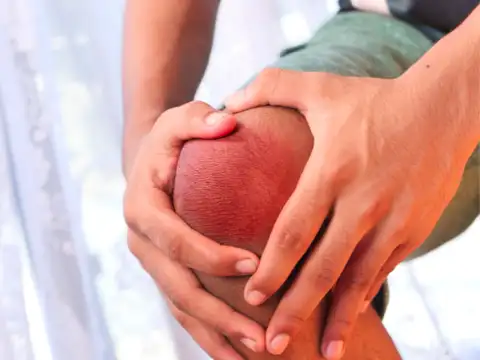
Bone burnout progresses slowly and may start with subtle signs like a creaky hip, occasional knee locking, or stiffness in the morning. Over time, this can lead to reduced movement, constant pain, and in rare cases, joint deformity. Dr Madikattu warns that many people delay seeking help until mobility is badly affected, by which stage conservative treatments are less effective. Diagnosis involves imaging such as MRI or X-rays along with a physical assessment.

4/5
Treatment and surgical options
In early stages, treatment usually focuses on slowing damage and preserving movement. Dr Madikattu recommends a mix of exercise, weight management, anti-inflammatory medicines, and joint supplements. Severe osteoarthritis may require surgery, including minimally invasive robot-assisted procedures that improve joint alignment and speed recovery.

5/5
Prevention is the best cure
Dr Madikattu stresses that the key is prevention. Regular exercise, weight-bearing activities, calcium-rich foods, good posture, staying hydrated, and avoiding sudden or extreme physical exertion all help protect the joints.