
Do you have blood pressure at hypertension level? Check it under the new American Heart Association guidelines
1/7
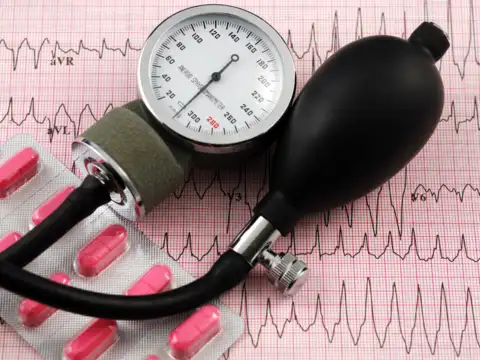
High BP risk
High blood pressure, or hypertension, is a major risk factor for heart attack and stroke. The American Heart Association has updated its guidelines, defining a new approach to help millions manage their numbers and prevent serious health problems.
2/7
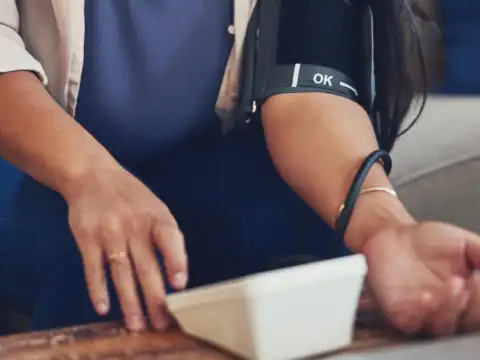
Know the New Numbers
First, understand the new blood pressure categories. Your blood pressure is measured by two numbers: systolic, the pressure when your heart beats, and diastolic, the pressure when your heart rests between beats. According to the AHA, a normal reading is now defined as less than 120/80 mmHg.
3/7
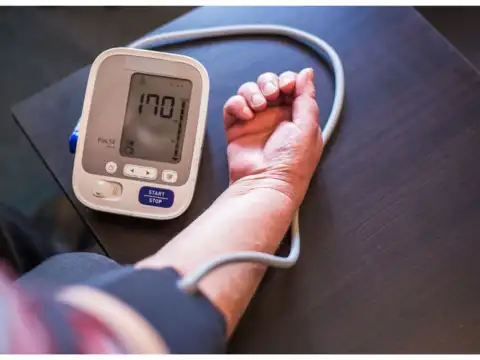
Elevated Blood Pressure
The new guidelines have eliminated the old "prehypertension" category. Now, a reading between 120-129 systolic and less than 80 diastolic is considered Elevated. The Mayo Clinic notes that while this is not yet hypertension, it signals a need to make immediate lifestyle adjustments to prevent it from getting worse.
Amazon Top Deals
POWERED BY

Crompton Ozone 75 Litres Desert Air Cooler for home | Large & Easy Clean Ice Chamber | 4-Way Air Deflection | High Density Honeycomb Pads | Everlast Pump | Auto Fill| 3 Year Brand Warranty
₹9,798Buy Now43%
OFF

atomberg Studio Smart+ 1200mm BLDC Ceiling Fan with IoT & Remote | BEE 5 star Rated Energy Efficient Ceiling Fan | High Air Delivery with LED Indicators | 3 Year Warranty (Earth Brown)
₹5,882Buy Now36%
OFF

LG 32 L Convection Microwave Oven (MC3286BRUM, Black, 360° Motorised Rotisserie for Bar-be-queing, 301 Auto Cook Menu, Stainless steel cavity, Indian Cuisine, Tandoor Se, Steam Clean & Diet Fry)
₹19,340Buy Now19%
OFF

4/7
The First Stage: Hypertension
Stage 1 hypertension is diagnosed with a consistent reading of 130-139 systolic or 80-89 diastolic. For many, this is the first time they will be diagnosed with high blood pressure. The AHA emphasizes that this stage often warrants both lifestyle changes and, for some, medication.
5/7
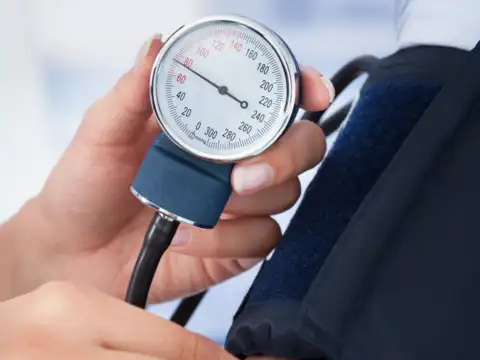
Combating with Exercise
Regular physical activity is a powerful tool to manage your numbers. The Mayo Clinic Health System states that consistent aerobic exercise can lower your top number (systolic) by about 5 to 8 mmHg. Aim for at least 150 minutes of moderate activity like walking or jogging each week to strengthen your heart.

6/7
Fighting with Your Diet
What you eat has a direct impact on your blood pressure. Harvard Medical School highlights the effectiveness of the DASH diet, which stands for Dietary Approaches to Stop Hypertension, in lowering blood pressure. You can incorporate this by adding more fruits, vegetables, and whole grains while reducing processed foods and salt.

7/7
Understanding the Risk
Left unmanaged, hypertension can lead to severe health issues like kidney failure and vision loss. The Centers for Disease Control and Prevention (CDC) warns that high blood pressure can silently damage vital organs. Make it a habit to check your blood pressure regularly and consult a healthcare professional.
(Disclaimer: Educational information and not a substitute for professional medical advice.)
(Disclaimer: Educational information and not a substitute for professional medical advice.)