
Did you know these 7 rare facts about cat whiskers?
1/7
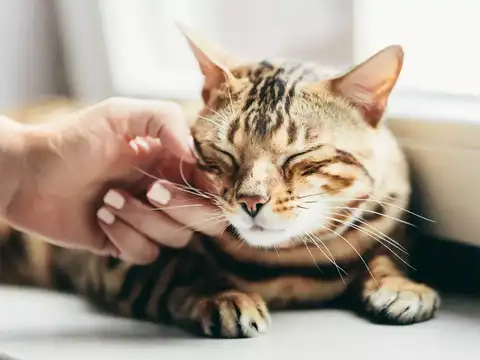
Whiskers are super-sensitive sensors
Cat whiskers may look like simple facial hair, but they are extraordinary tools of survival, communication, and navigation. Beyond making cats adorable, whiskers are deeply connected to their senses, behavior, and health. Here are seven rare facts that reveal just how fascinating cat whiskers really are.
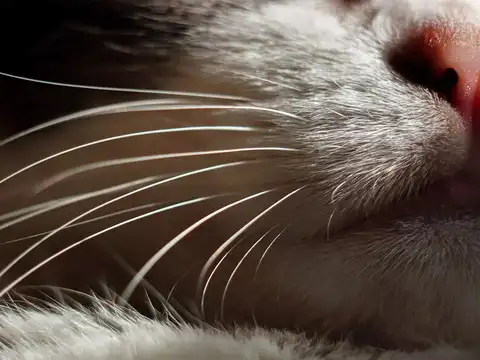
Whiskers are super-sensitive sensors: Unlike regular fur, whiskers are embedded deep in a cat’s body and connected to nerve endings and blood-filled sacs. This makes them highly sensitive, capable of detecting even the tiniest air currents or vibrations. With this ability, cats can sense obstacles and movements around them, helping them move with confidence in complete darkness.
Whiskers are super-sensitive sensors: Unlike regular fur, whiskers are embedded deep in a cat’s body and connected to nerve endings and blood-filled sacs. This makes them highly sensitive, capable of detecting even the tiniest air currents or vibrations. With this ability, cats can sense obstacles and movements around them, helping them move with confidence in complete darkness.
2/7
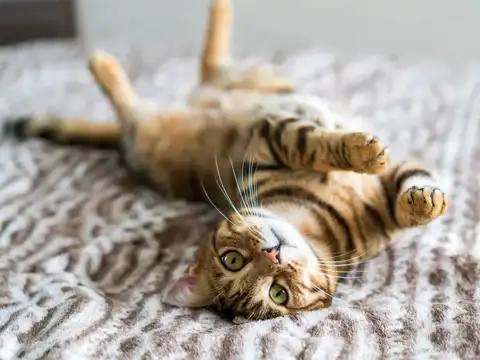
Whiskers show mood changes
A cat’s whiskers can act like a mood barometer. When a cat is relaxed, the whiskers usually rest to the side. If the whiskers are pushed forward, the cat may be curious, playful, or even slightly aggressive. When pulled back tightly against the face, it can be a sign of fear or stress. Observing whisker positions is a great way to understand feline emotions.
3/7
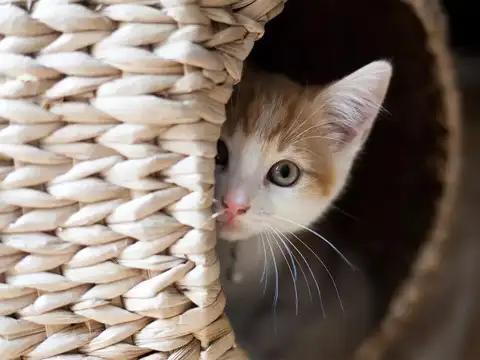
They help measure spaces
Cats have a unique way of deciding whether they can fit through narrow spaces—the width of their whiskers. Typically, a cat’s whiskers are about the same width as its body, allowing them to gauge doorways, tunnels, and gaps. This built-in measuring tool prevents them from getting stuck, especially when their curiosity leads them into tight spots.
Amazon Top Deals
POWERED BY

Crompton Ozone 75 Litres Desert Air Cooler for home | Large & Easy Clean Ice Chamber | 4-Way Air Deflection | High Density Honeycomb Pads | Everlast Pump | Auto Fill| 3 Year Brand Warranty
₹9,798Buy Now43%
OFF

LG 32 L Convection Microwave Oven (MC3286BRUM, Black, 360° Motorised Rotisserie for Bar-be-queing, 301 Auto Cook Menu, Stainless steel cavity, Indian Cuisine, Tandoor Se, Steam Clean & Diet Fry)
₹17,990Buy Now25%
OFF
4/7
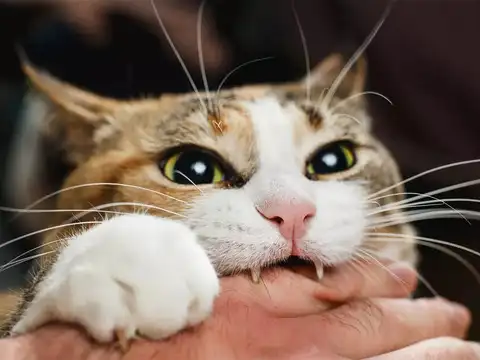
Whiskers aid in hunting
Cats are natural-born hunters, and their whiskers give them an edge. When prey is close, whiskers fan out and detect even the slightest movements, guiding cats to strike with precision. This becomes especially useful in low light or when they can’t rely on vision alone. Whiskers help ensure a perfectly placed bite every time.
5/7
Whiskers exist on other body parts
Most people think whiskers only appear on the face, but cats also have them above their eyes (eyebrow whiskers), on their chin, and even on the back of their front legs. Each set serves a purpose—from protecting their eyes from dust and debris to helping them sense prey beneath their paws.

6/7
Whiskers can get tired
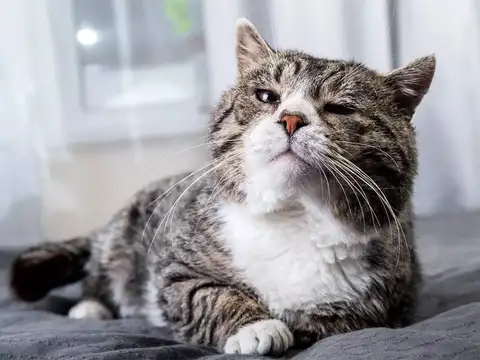
Constant stimulation of whiskers—such as brushing against narrow bowls or excessive petting—can overwhelm a cat. This is called whisker fatigue. It may cause stress, irritability, or refusal to eat from certain dishes. Using wide, shallow bowls and giving cats space can help prevent whisker stress.
7/7
Whiskers don't need trimming
Whiskers are not decorative—they’re functional. Trimming them removes a cat’s ability to sense surroundings properly, leaving them disoriented and anxious. A cat without whiskers may stumble, misjudge distances, and lose confidence in movement. For this reason, whiskers should never be cut, even for grooming purposes.