
Diabetic coma: what it is, why it strikes without warning — and how to stop it

1/6
What is “diabetic coma”
A diabetic coma is when a person with diabetes becomes unconscious because blood sugar is dangerously out of balance—either far too high or far too low—requiring emergency treatment right away. In most cases, quick treatment leads to full recovery, but delays can cause brain injury or death.
2/6
The three main triggers
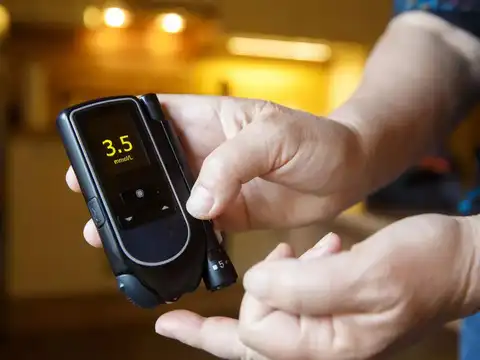
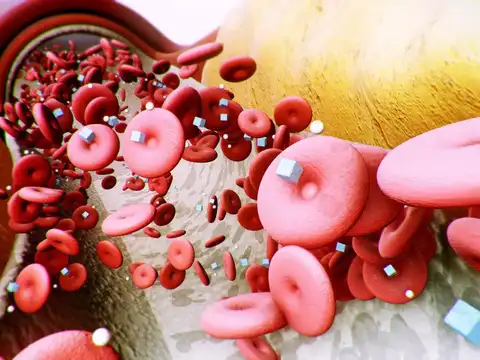
Severe low blood sugar (hypoglycemia): Most common with insulin or certain tablets (sulfonylureas) if meals are missed, doses are high, alcohol is taken on an empty stomach, or after heavy exercise.Diabetic ketoacidosis (DKA): Very high blood sugar with acid buildup from ketones, usually in type 1 diabetes, sometimes in type 2 diabetes—often triggered by infection, missed insulin, pump failure, or new diabetes.Hyperosmolar hyperglycemic state (HHS): Extremely high blood sugar with severe dehydration and high blood concentration (osmolarity), typically in older adults with type 2 diabetes and an illness (for example, infection or stroke).
3/6
How each trigger develops
Hypoglycemia: The brain runs on glucose; when glucose falls very low (for example, under 40 milligrams per deciliter), brain function shuts down, leading to seizures or coma if not treated fast. Repeated lows may blunt warning signs.DKA: Not enough insulin means cells can’t use glucose; the body burns fat instead, making ketones that acidify the blood, causing dehydration and altered mental state that can progress to coma.HHS: Prolonged very high glucose causes massive urination and dehydration; blood becomes concentrated and thick, reducing brain perfusion and causing confusion, stroke‑like signs, and possible coma. Ketones are minimal or absent.
Amazon Top Deals
POWERED BY


4/6
Early warning signs to act on
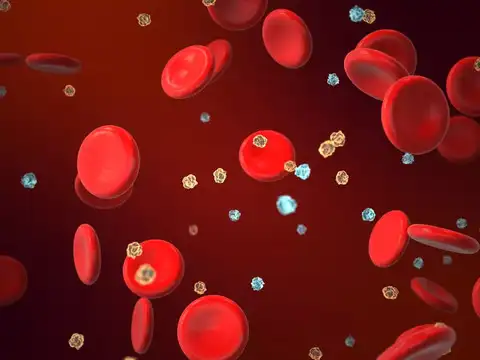
Hypoglycemia warning signs: Shaking, sweating, fast heartbeat, hunger, irritability, confusion, blurred vision; severe lows cause seizures or unresponsiveness. Treat immediately with fast sugar.DKA warning signs: Very high glucose (often above 250 milligrams per deciliter), thirst, frequent urination, nausea/vomiting, abdominal pain, deep/fast breathing, fruity breath, fatigue, confusion.HHS warning signs: Extremely high glucose (often above 600 milligrams per deciliter), extreme thirst, very frequent urination, dry mouth/skin, confusion, drowsiness, focal weakness, seizures.
5/6
What to do right away (first aid steps for diabetic coma)
If low sugar is suspected and the person is awake: Give 15–20 grams of fast carbohydrate (for example, glucose tablets or juice), recheck in 15 minutes, repeat if still low, then give a snack or meal.If the person is unconscious or can’t swallow: Do not give food or drink by mouth; call emergency services; if available, give a glucagon injection or nasal glucagon for suspected severe hypoglycemia.If very high sugar with DKA/HHS signs: Call emergency services; medical care will give intravenous fluids, insulin, and electrolytes, and treat the trigger (for example, infection).

6/6
Who is at higher risk
Hypoglycemia risk: Insulin or sulfonylureas use, missed meals, alcohol on an empty stomach, heavy unplanned exercise, kidney disease, prior severe lows, or hypoglycemia unawareness.DKA risk: Type 1 diabetes, missed insulin, pump/site failure, infection, new diagnosis, steroid use, or any illness raising insulin needs.HHS risk: Older adults with type 2 diabetes, reduced fluid intake, infections (for example, pneumonia, urinary infection), stroke, heart attack, certain medicines (for example, diuretics).
(Disclaimer: This story is not for professional medical advice and does not substitute any medical advice. This is strictly for educational purposes alone.)
(Disclaimer: This story is not for professional medical advice and does not substitute any medical advice. This is strictly for educational purposes alone.)