
Depressed often? Your diet could hold the answer
1/6
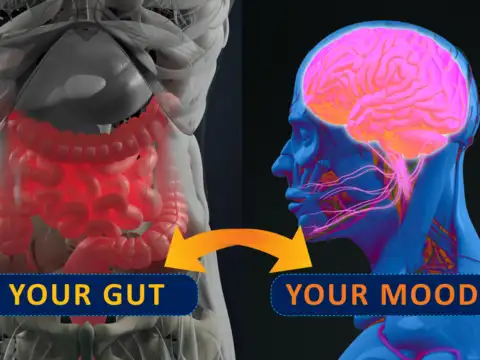
How does your diet impact your mood?
In a world where staying mentally healthy is a big deal, let's talk about something not everyone realises – how what we eat can seriously mess with our mood. Yep, the food we put in our bodies has a big say in how we're feeling. So, here, we're going to dig into why it's super important to chow down on a balanced and wholesome diet for both our body and mind.

2/6
Never neglect your essential vitamins
Our emotional state is closely intertwined with the nutrients we provide our body. A diet lacking in essential vitamins, minerals, omega-3 fatty acids, and amino acids can disrupt the delicate balance of brain chemicals responsible for regulating mood, such as serotonin and dopamine. These imbalances are frequently associated with feelings of sadness, anxiety, and even loneliness. To foster emotional resilience, it is crucial to embrace a diet rich in diverse whole foods, encompassing fruits, vegetables, lean proteins, and healthy fats, which provide the necessary nutrients for optimal brain function.

3/6
Blood sugar regulation
The rollercoaster of blood sugar levels, often triggered by erratic eating patterns, excessive consumption of sugary or processed foods, or severe calorie restriction, can significantly affect our mood. To maintain stable blood sugar levels and prevent energy crashes that contribute to irritability, low mood, and even social isolation, experts recommend a balanced diet comprising regular meals and snacks with complex carbohydrates, lean proteins, and healthy fats.
Amazon Top Deals
POWERED BY

4/6
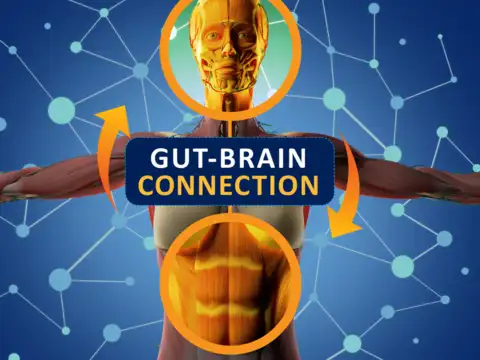
The gut-brain connection
A fascinating two-way dialogue exists between our gut and brain, where the gut plays a pivotal role in producing and housing "happy hormones" like serotonin and dopamine, which greatly influence our emotional well-being. The quality of our diet impacts this connection profoundly. A diet heavy in processed foods and lacking in fibre can disrupt gut health, potentially affecting the production of neurotransmitters. However, by embracing a diet rich in fibre, prebiotics, and probiotics, we nurture a balanced gut microbiome, facilitating the production of mood-regulating neurotransmitters. Ultimately, caring for our gut can have a positive impact on our emotional state.

5/6
Social and psychological aspects
Our relationship with food and how we consume it holds a profound impact on our emotional satisfaction. Sharing meals with loved ones, maintaining a positive relationship with food, and practising mindful eating can foster a sense of connectedness and emotional well-being. Conversely, extreme dieting, restrictive eating, or using food as a coping mechanism can lead to feelings of isolation, guilt, and loneliness.

6/6
Seeking guidance
Understanding that one size doesn't fit all when it comes to nutrition and emotional well-being is crucial. Each person's dietary needs, preferences, and cultural influences are unique. Seeking guidance from a dietician or nutritionist can provide personalised advice tailored to specific needs and goals.