
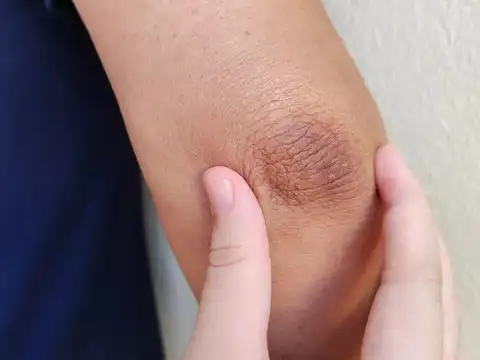
Dark elbows? Dermatologist suggests these 5 steps to remove it easily

1/6
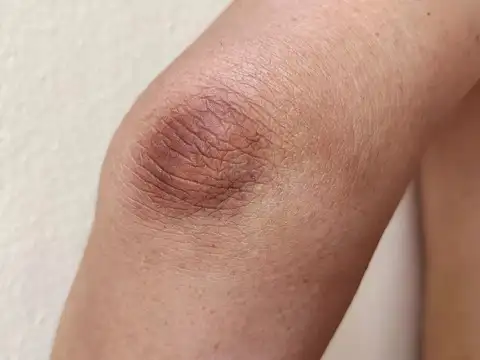
Why Elbows Darken and What Actually Works
Dark elbows happen because skin thickens from repetitive friction, sun damage, and melanin overproduction. Dead cells accumulate, creating stubborn patches. The good news: consistent exfoliation, moisture, and skin-lightening ingredients can visibly reduce darkness within four to six weeks.
2/6
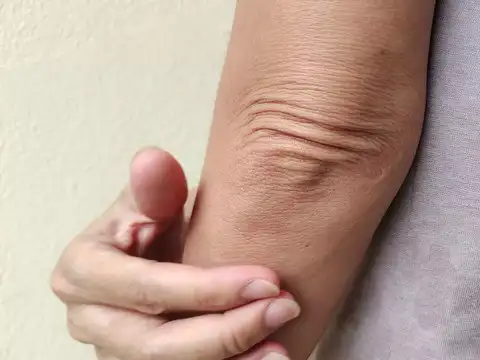
Step 1: Exfoliate Gently But Regularly Two to Three Times Weekly
Remove dead skin buildup using lemon and baking soda scrub or sugar and olive oil paste. Scrub for two to three minutes in circular motions. This reveals fresh, lighter skin underneath. Skip harsh tools; gentle friction works better and prevents irritation or further darkening.
3/6
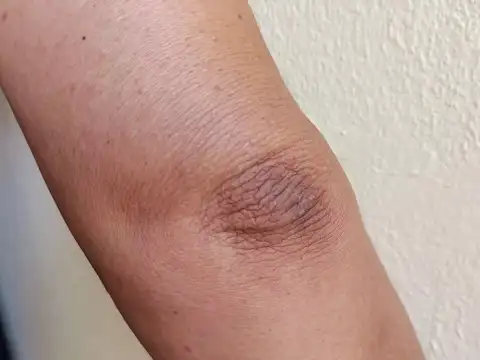
Step 2: Lighten with Natural Vitamin C and Lactic Acid Treatments
Apply fresh lemon juice or potato juice nightly for ten to fifteen minutes. Both contain natural bleaching enzymes that fade melanin deposits. Alternatively, use yogurt and oatmeal masks weekly. Lactic acid in curd gently exfoliates while evening skin tone without the harshness of chemical peels initially.
Amazon Top Deals
POWERED BY

4/6
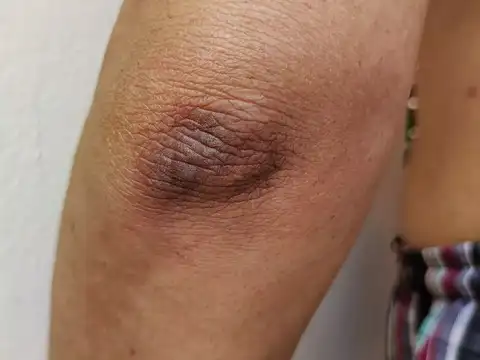
Step 3: Hydrate and Nourish Deeply with Potent Oils and Aloe
After each exfoliation, apply aloe vera gel or coconut oil mixed with turmeric. These penetrate deeply, repair skin barrier, and reduce inflammation underlying pigmentation. Massage for five minutes daily. Consistent moisture prevents dryness that worsens darkness and cracking.
5/6
Step 4: Use Targeted Topical Creams or Serums Weekly
Apply over-the-counter lightening products containing lipohydroxy acid, vitamin C serum, or kojic acid twice weekly. These accelerate melanin breakdown. For stubborn cases lasting months, dermatologists may prescribe hydroquinone cream requiring medical supervision and careful application protocols.
6/6
Step 5: Protect from Sun and Consider Professional Laser Treatment
Apply SPF fifty plus sunscreen or cover elbows when outdoors. Sun exposure darkens pigmentation further, erasing progress. For severe, resistant cases unresponsive after two months, dermatologists offer Q-switched laser or chemical peels breaking down melanin from deeper layers. Usually four to six sessions yield significant improvement.
(Disclaimer: This story is strictly for educational purposes only and does not substitute any professional medical advice and should not be considered as professional medical advice.)
(Disclaimer: This story is strictly for educational purposes only and does not substitute any professional medical advice and should not be considered as professional medical advice.)