
Creatinine too high? What it reveals about kidney health

1/6
Creatinine and kidneys
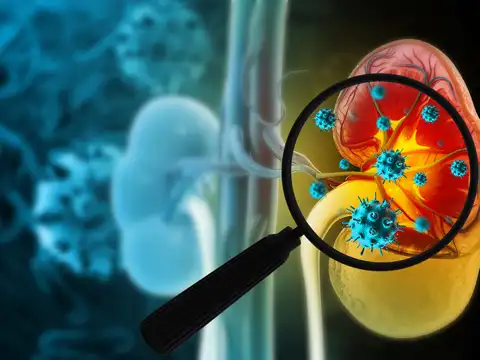
Creatinine is a waste from muscle activity that kidneys filter out. When blood creatinine rises the kidneys may be filtering less well. Doctors read it with the estimated glomerular filtration rate to judge kidney function.

2/6
What high creatinine can mean
A sudden jump can signal acute kidney injury. A steady elevation for 3 months or more points toward chronic kidney disease. Both need prompt evaluation and follow up. Creatinine is paired with estimated glomerular filtration rate and urine albumin tests. Together they show how well kidneys filter and whether protein leakage is present.

3/6
Common short term causes
Dehydration, infection, certain painkillers called nonsteroidal anti inflammatory drugs and heavy exercise can raise creatinine temporarily. Levels often improve when the trigger is removed.
Amazon Top Deals
POWERED BY


4/6
Long term causes to rule out
Diabetes, high blood pressure and primary kidney diseases can keep creatinine high. These need medical care to slow damage and protect kidney function.

5/6
Symptoms to watch
Less urine, swelling in legs or face, fatigue, nausea, confusion, and irregular heartbeat can appear if kidneys are struggling and electrolytes are off. Seek care urgently for sudden changes.
6/6
Staging kidney disease
Doctors stage chronic kidney disease using estimated glomerular filtration rate from G1 to G5 and urine albumin from A1 to A3. Lower estimated glomerular filtration rate and higher albumin mean higher risk. See a kidney specialist if creatinine stays high.
(Disclaimer: This story is strictly for educational purposes only and does not substitute any professional medical advice and should not be considered as professional medical advice.)
(Disclaimer: This story is strictly for educational purposes only and does not substitute any professional medical advice and should not be considered as professional medical advice.)