
Cornell-trained doctor gives tips to reduce plaque build up arteries naturally
1/13
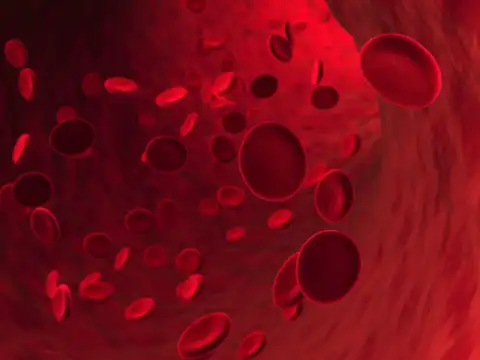
Can we reduce plaque build-up in arteries?
For decades, people believed arterial plaque was permanent, leading inevitably to heart disease and lifelong treatment. But Cornell-trained longevity expert Dr. Vass says science now shows plaque can be managed, stabilized, and sometimes reduced, lowering the risk of heart attacks.
2/13
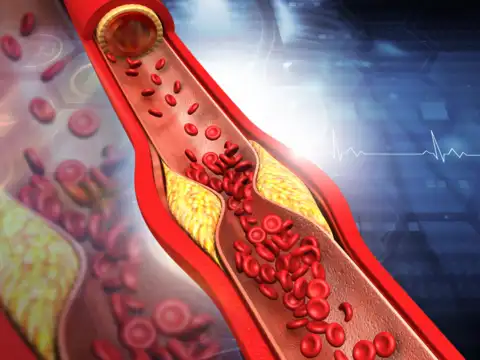
What is arterial plaque?
Plaque is a fatty, waxy substance made up of cholesterol, calcium, and cellular waste that builds up inside artery walls. Over time, this narrows the arteries, restricting blood flow and raising the risk of heart attacks or strokes. It’s the underlying cause of atherosclerosis, one of the leading killers worldwide.

3/13
Why plaque matters for heart health
When arteries are clogged, the heart works harder to pump blood, leading to hypertension and cardiovascular strain. More dangerously, unstable plaque can rupture, causing blood clots that block circulation. This is the direct trigger for most heart attacks and strokes, making plaque reduction a critical part of long-term heart health.
Amazon Top Deals
POWERED BY

Crompton Ozone 75 Litres Desert Air Cooler for home | Large & Easy Clean Ice Chamber | 4-Way Air Deflection | High Density Honeycomb Pads | Everlast Pump | Auto Fill| 3 Year Brand Warranty
₹9,798Buy Now43%
OFF

LG 32 L Convection Microwave Oven (MC3286BRUM, Black, 360° Motorised Rotisserie for Bar-be-queing, 301 Auto Cook Menu, Stainless steel cavity, Indian Cuisine, Tandoor Se, Steam Clean & Diet Fry)
₹19,340Buy Now19%
OFF
4/13
Can plaque actually be reversed?
While not all plaque can disappear, science suggests some reversal is possible. Studies published in the Journal of the American College of Cardiology show that lifestyle changes, medications like statins, and anti-inflammatory approaches can shrink or stabilize plaque deposits, improving arterial flexibility and lowering cardiovascular risks.

5/13
The role of diet in plaque reduction
Nutrition plays a pivotal role in managing arterial health. Diets rich in whole grains, vegetables, fruits, omega-3 fatty acids, and fiber help reduce bad cholesterol (LDL) and promote good cholesterol (HDL). Conversely, processed foods, sugars, and trans fats accelerate plaque formation. Mediterranean-style eating patterns show remarkable benefits in reducing heart disease risk.
6/13
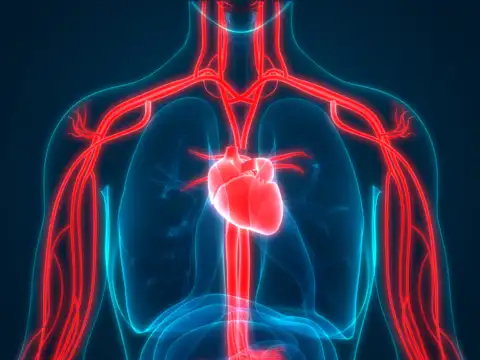
Exercise and arterial health
Regular physical activity, especially aerobic exercise like brisk walking, cycling, or swimming, improves blood circulation, reduces inflammation, and helps balance cholesterol. According to the American Heart Association, even 150 minutes of moderate weekly activity can significantly lower plaque risk, supporting overall cardiovascular health and longevity.
7/13
The role of statins and medications
Statins remain the frontline therapy for plaque management. They lower LDL cholesterol and reduce inflammation inside artery walls, which prevents plaque progression. Studies show statins can stabilize vulnerable plaque, making it less likely to rupture, thereby lowering the chance of a heart attack or stroke.

8/13
Emerging therapies for plaque reduction
Beyond statins, new therapies such as PCSK9 inhibitors and anti-inflammatory drugs are being tested. Early results from clinical trials suggest these may provide additional benefits in reducing cholesterol and stabilizing plaque, offering hope for patients resistant to traditional treatments.

9/13
Smoking and alcohol: The hidden triggers
Smoking accelerates plaque build-up by damaging artery walls and reducing oxygen flow. Excessive alcohol raises blood pressure and cholesterol, worsening cardiovascular strain. Cutting out tobacco and limiting alcohol are considered among the most effective non-medical interventions for protecting arterial health.

10/13
Stress and arterial plaque
Chronic stress releases hormones like cortisol and adrenaline that raise blood pressure and contribute to plaque instability. Mind-body practices, yoga, meditation, deep breathing, are increasingly recognized as protective measures for cardiovascular health, not just for mental wellbeing.
11/13
Can supplements help?
Omega-3 fatty acids, vitamin D, and Coenzyme Q10 have shown potential in supporting arterial health, though evidence varies. Experts caution against relying solely on supplements; they work best as part of a comprehensive lifestyle and medical plan.
12/13
What experts say
According to Dr. Vass and cardiology experts, plaque build-up doesn’t have to mean a lifetime of decline. With early diagnosis, targeted lifestyle changes, and proper treatment, patients can stabilize or even modestly reduce plaque, significantly cutting their heart attack risk.

13/13
The takeaway
Arterial plaque is serious, but not necessarily a life sentence. Modern science shows that with medical guidance, diet, exercise, and lifestyle shifts, plaque can be stabilised, reducing the risk of deadly heart attacks. Prevention and proactive care remain the most powerful tools for longevity.