
7 common ailments caused by toxic air
1/7
Air pollution-induced ailments
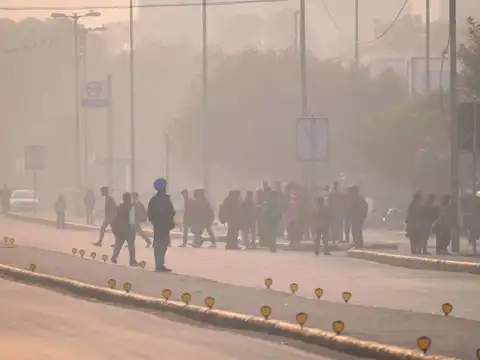
Air pollution carries tiny particles and gases that travel deep into the lungs, spark inflammation, and can enter the bloodstream; this is why the same bad air can hurt the lungs, heart, brain, eyes, and even pregnancy health. In simple terms, polluted air upsets the body’s balance, making existing conditions worse and raising the chance of serious events like heart attacks and strokes.
2/7
Asthma flare‑ups and wheezing
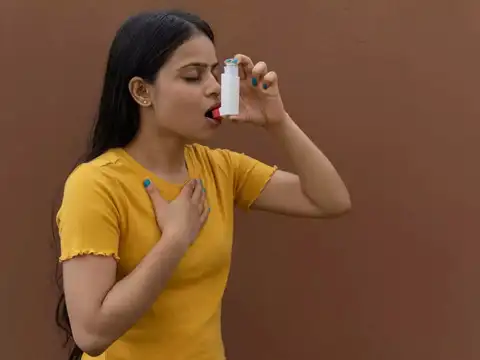
Fine particles (PM2.5) and ozone irritate airways, causing cough, chest tightness, wheeze, and shortness of breath—especially in kids, seniors, and people with asthma. Red or “poor” AQI days often mean more inhaler use and ER visits for breathing trouble within hours to days.What to do: Track AQI, use preventer inhalers as prescribed, keep a reliever handy, wear a well‑fitting mask outdoors on bad‑air days, and ventilate with filters rather than opening windows during peak smog.
3/7
COPD worsening (chronic bronchitis/emphysema)
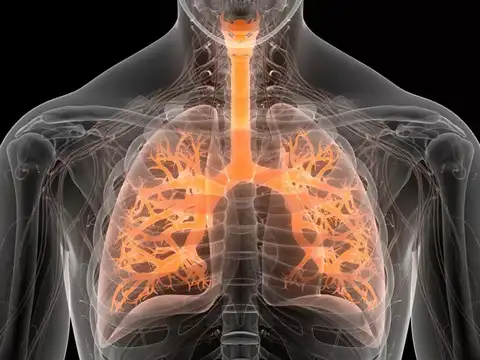
Polluted air increases cough with phlegm, breathlessness, and fatigue in COPD, and raises the risk of infections and hospitalizations after high‑pollution days. Long‑term exposure can speed the decline in lung function.What to do: Avoid outdoor exertion when AQI is high, use maintenance inhalers, get flu/pneumonia shots, and consider indoor air cleaning in main living/sleep areas to cut exposure.
Amazon Top Deals
POWERED BY

Crompton Ozone 75 Litres Desert Air Cooler for home | Large & Easy Clean Ice Chamber | 4-Way Air Deflection | High Density Honeycomb Pads | Everlast Pump | Auto Fill| 3 Year Brand Warranty
₹9,798Buy Now43%
OFF

LG 32 L Convection Microwave Oven (MC3286BRUM, Black, 360° Motorised Rotisserie for Bar-be-queing, 301 Auto Cook Menu, Stainless steel cavity, Indian Cuisine, Tandoor Se, Steam Clean & Diet Fry)
₹18,490Buy Now23%
OFF
4/7
Heart attacks and strokes
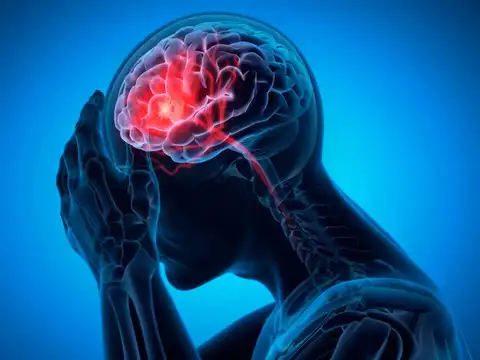
Tiny particles pass from lungs into blood, increasing inflammation, blood stickiness, and vessel spasm; this can trigger non‑fatal heart attacks, strokes, irregular heartbeat, and raise long‑term heart disease risk. Even short spikes in PM2.5 can push vulnerable people over the edge.What to do: On bad‑air days, reduce heavy exercise outdoors, take heart/BP medicines on time, keep nitro or emergency plans ready if advised, and prioritize clean indoor air; long‑term, manage BP, sugar, cholesterol, and don’t smoke.
5/7
Lung infections (colds, pneumonia getting worse)
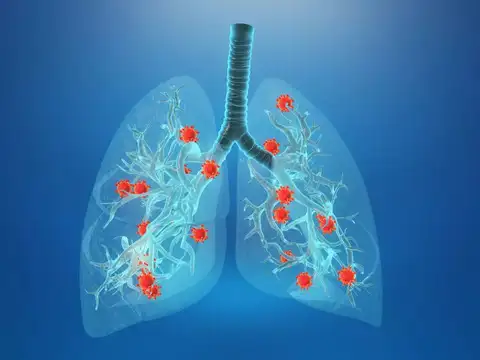
Pollution weakens the airway’s defenses, making it easier for viruses/bacteria to take hold, and can make chest infections more severe, especially in elders and those with chronic illness. Hospital admissions for infections rise after pollution spikes.What to do: Wash hands, vaccinate (flu, COVID, pneumococcal as advised), ventilate with filtration, and avoid crowded outdoor areas during peak smog; seek care early if fever, chest pain, or fast breathing appears.

6/7
Eye, nose, and throat irritation
Gases like ozone and NO2, and particles, inflame the eye surface and upper airways—burning eyes, watering, scratchy throat, headache, and fatigue are common on high‑AQI days. People who wear contact lenses often feel symptoms sooner.What to do: Use wraparound glasses outdoors, lubricating eye drops, saline nasal rinses, and take breaks from contact lenses during heavy smog; reduce scented sprays and smoke indoors to avoid adding irritants.

7/7
Pregnancy and newborn risks
PM2.5 exposure during pregnancy is linked with immune changes, higher blood pressure disorders, low birth weight, preterm birth, and developmental concerns in early life. Pollution can alter inflammation and even gene regulation signals in the placenta and fetus.What to do: Prefer low‑AQI routes/times, use indoor filtration where you sleep, mask in unavoidable exposure, keep prenatal visits, and manage BP and sugar closely; ask your clinician about local air‑quality precautions.
(Disclaimer: This story is not for professional medical advice and does not substitute medical advice.)
(Disclaimer: This story is not for professional medical advice and does not substitute medical advice.)