
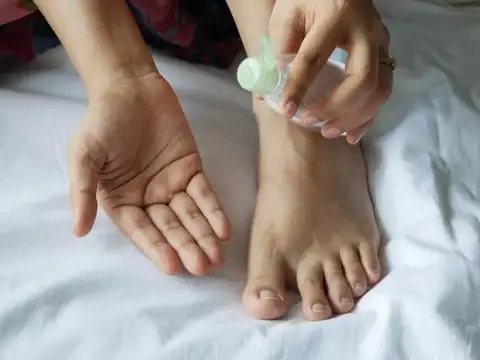
Cold, tingling feet? This 30-second trick can jolt your leg circulation back to life
1/5
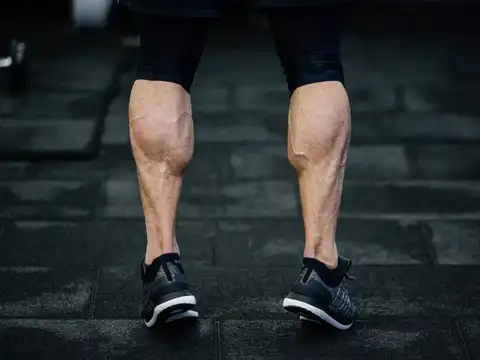
Why Your Legs Feel Heavy (And How Your Calves Fix It)
Sitting or standing too long lets blood pool in your legs, causing that dull heaviness. Your calf muscles are actually your body's second heart: when they contract, they squeeze the veins and force blood upward toward your heart against gravity, instantly improving circulation and easing that tired, achy sensation most of us ignore until evening.
2/5
The Mechanics: How 30 Seconds Changes Your Vein Pressure
When you rise onto your toes and lower back down, calf contractions create roughly 140 millimeters of mercury pressure in deep leg veins, pushing stagnant blood upward and bringing fresh, oxygenated blood back down. Studies confirm this single movement produces immediate shifts in venous pressure and flow patterns, which is why just 20 to 30 repetitions throughout your day can noticeably refresh how your legs feel.
3/5
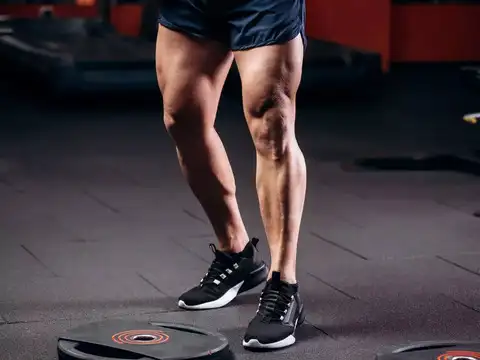
Beat Cold Feet, Tingling, and That Pins-and-Needles Feeling
Poor leg circulation starves nerves and tissues of oxygen, triggering numbness, tingling, and cold feet even in warm rooms. Brief calf raises spike blood flow to lower legs, flushing out stagnant blood and delivering warm, oxygenated blood to your toes. Perform 20 to 30 seconds every hour during desk work or travel, especially on long flights or car rides, to keep that uncomfortable sensation at bay.
Amazon Top Deals
POWERED BY

4/5
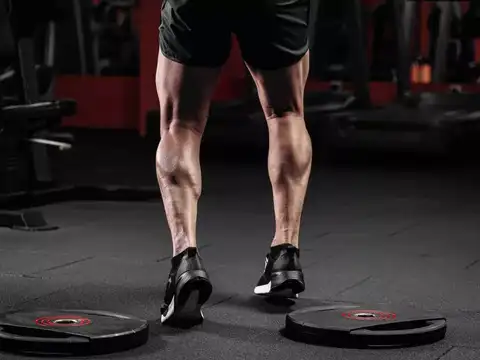
Healing Leg Ulcers and Swelling Faster
Chronic venous disease weakens your calf pump, allowing fluid to collect and ulcers to linger. Research shows patients who did daily calf exercises healed leg ulcers 24 percent faster than non-exercisers. The stronger your calf contractions, the more oxygen reaches damaged tissues, accelerating wound closure and reducing the risk of stubborn, non-healing sores around your ankles.
5/5
How to Do Calf Raises Safely (Right Now)
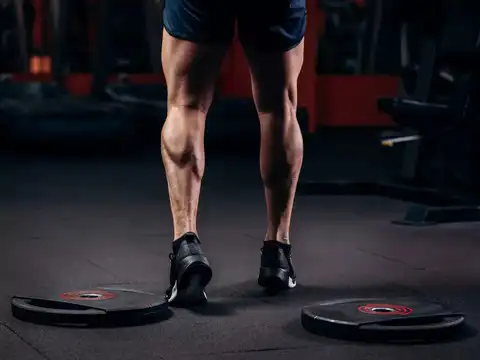
Stand near a wall or chair for balance, feet hip-width apart. Slowly rise onto your toes, pause for one second at the peak, then lower gently. Do continuous raises for 20 to 30 seconds, about 15 to 25 repetitions. Skip this if you have severe vein disease, heart problems, balance issues, diabetes, or nerve damage—talk to a doctor first. Seated calf raises work too.
(Disclaimer: This story is strictly for educational purposes only and does not substitute any professional medical advice and should not be considered as professional medical advice.)
(Disclaimer: This story is strictly for educational purposes only and does not substitute any professional medical advice and should not be considered as professional medical advice.)