
Cobra in Indian mythology: Symbolism and significance on Mahashivratri
1/5
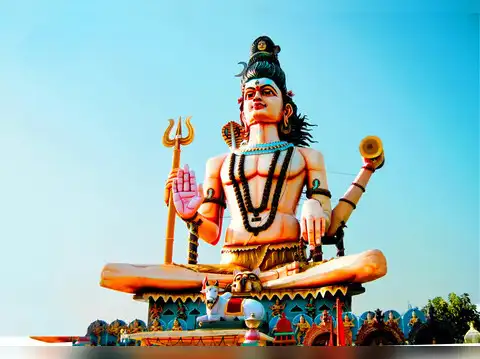
Symbol of Lord Shiva
The cobra, particularly Vasuki, is coiled around Lord Shiva’s neck, representing his power over fear, death, and poison. It also signifies his role as the ultimate controller of time and destruction.
2/5
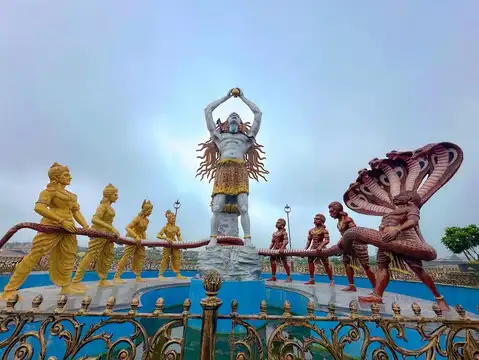
Samudra Manthan
During the cosmic churning, Sheshnaag served as the rope, and Shiva consumed the deadly Halahala poison to save creation. The cobra symbolises endurance, sacrifice, and Shiva’s role as the saviour, protecting the world from destruction.
3/5
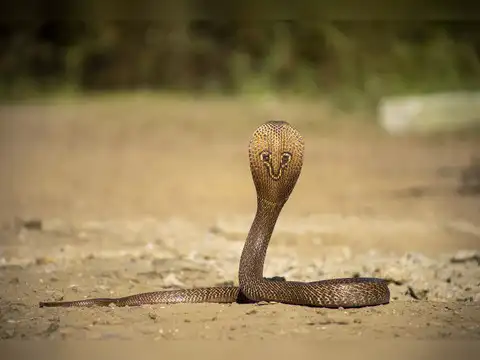
Guardian of Wealth & Wisdom
In Hindu mythology, nāgas are divine beings associated with hidden treasures and sacred knowledge. Worshipping them is believed to bring prosperity, wisdom, and fortune. Their presence in temples signifies protection, spiritual awakening, and divine blessings.
Amazon Top Deals
POWERED BY

atomberg Studio Smart+ 1200mm BLDC Ceiling Fan with IoT & Remote | BEE 5 star Rated Energy Efficient Ceiling Fan | High Air Delivery with LED Indicators | 3 Year Warranty (Earth Brown)
₹5,882Buy Now36%
OFF

LG 32 L Convection Microwave Oven (MC3286BRUM, Black, 360° Motorised Rotisserie for Bar-be-queing, 301 Auto Cook Menu, Stainless steel cavity, Indian Cuisine, Tandoor Se, Steam Clean & Diet Fry)
₹19,340Buy Now19%
OFF
4/5
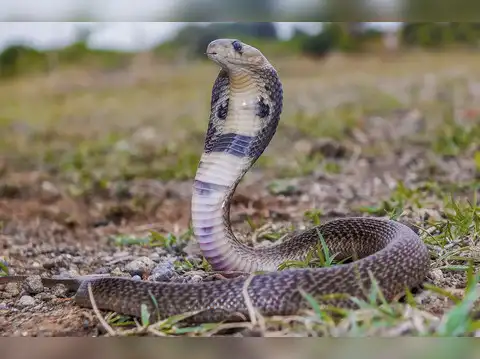
Connection to Fertility & Rain
Cobras are linked to water, fertility, and the monsoons. Many communities worship them for abundant rainfall and agricultural prosperity. Nāga Panchami, a festival dedicated to serpents, reflects reverence for their role in sustaining life and ecological balance.
5/5
Destroyer of Ego & Illusion
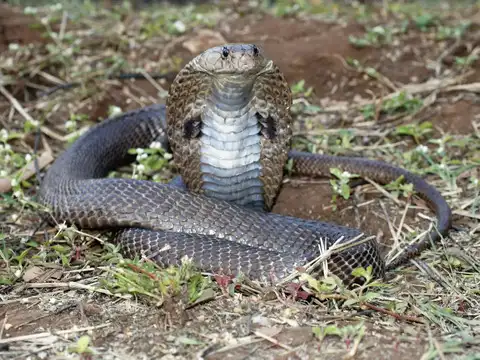
The cobra coiled around Shiva’s neck represents mastery over ego, desire, and illusion. Just as Shiva remains unaffected by the serpent’s venom, devotees are reminded to overcome material attachments, embrace wisdom, and attain spiritual liberation.