Chandrayaan-3: What are the educational qualifications of the masterminds behind India's successful moon mission
By ET Online | Updated:

BCCL - Non Copyright
Highlights
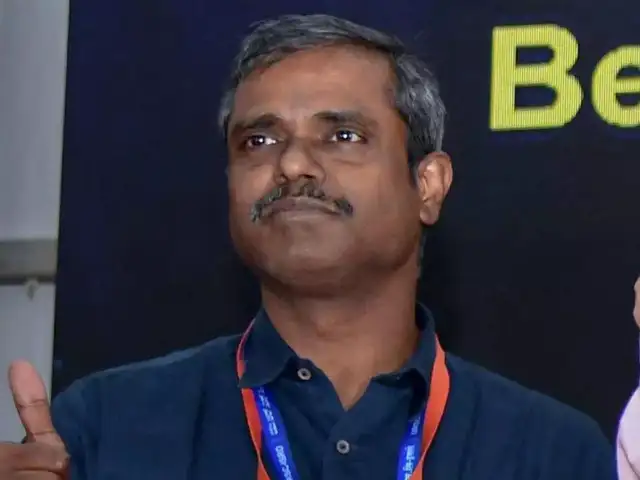
- S. Somnath, the Secretary at the Department of Space and Chairperson of the Space Commission, earned his BTech degree in Mechanical Engineering from TKM College of Engineering in Kollam.
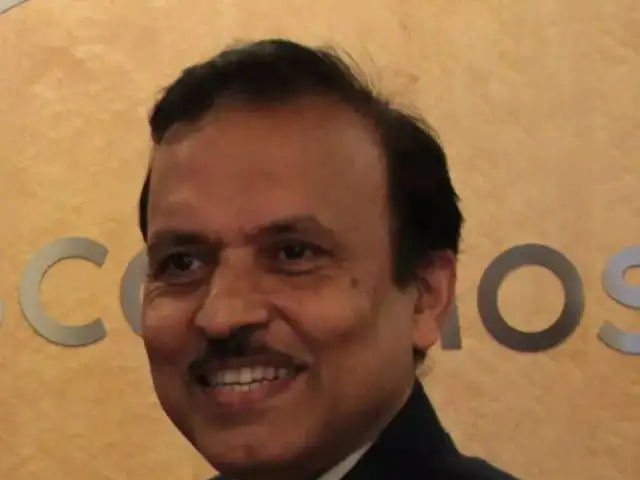
- M. Sankaran earned his Master's degree in physics from Bharathidasan University, Tiruchirappalli, in 1986.
- Dr. V. Narayanan, the Director of the Liquid Propulsion Systems Centre, is an alumnus of the Indian Institute of Technology Kharagpur.
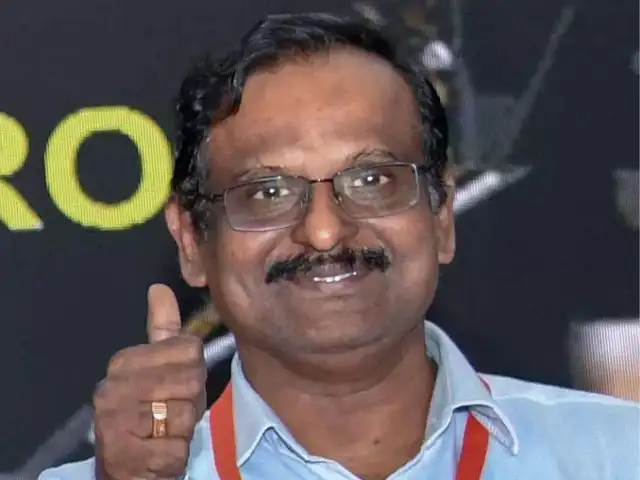
- Dr. S. Unnikrishnan Nair's academic journey began with a BTech in Mechanical Engineering from Kerala University and then went on to pursue an ME from IISc Bangalore and later got his PhD in mechanical engineering from IIT Madras.
Chandrayaan-3 was a momentous achievement that fulfilled the dreams of 1.4 billion Indians. After travelling for 41 days, it safely landed on the Moon's surface on August 23, signifying the Indian Space Research Organisation's (ISRO) most ambitious endeavour to date. With this accomplishment, India's name entered the annals of history as the fourth nation, alongside the United States, China, and the former Soviet Union (now Russia), to master the intricate technology of soft lunar landings.
In 2019, India faced a tragic moment when ISRO lost contact with the Chandrayaan 2 lander 'Vikram' during its descent to the Moon. The incident brought forth a poignant moment as K Sivan, the former chief of ISRO, couldn't hold back his tears, and even the Prime Minister felt emotional. Yet, amid the tears and the hushed silence in ISRO's control room, a determination to rebound and soar again was taking shape.
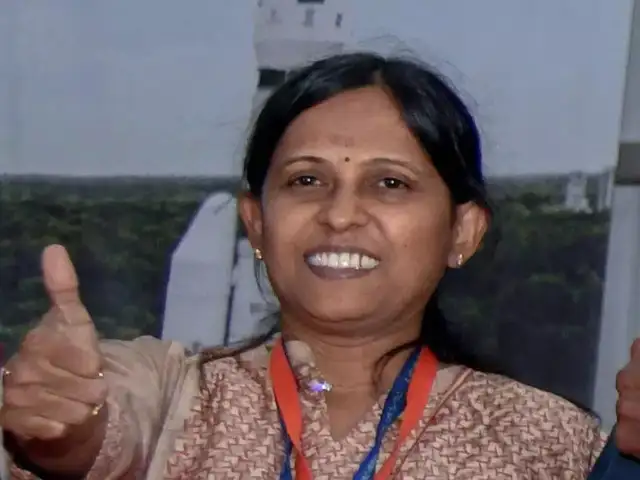
Leading this Chandrayaan-3 mission was the main scientist, P. Veeramuthuvel, with Srikant serving as the mission director and Kalpana as the associate project director at ISRO. M. Sankaran served in the role of director, while S. Somanath held the position of chairman at ISRO. Among the team members was scientist Chayan Dutta from Assam. The mission targeted the Moon's South Pole, successfully achieving India's inaugural soft landing on the lunar surface.
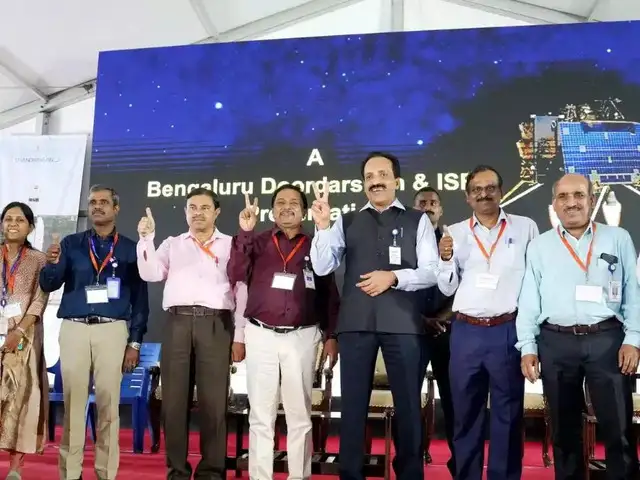
Now, let's delve into the educational qualifications and alma maters of Chandrayaan-3's leaders, exemplifying India's prowess in space exploration.
S. Somnath
TKM College of Engineering: Founded in 1956 and officially opened on July 3, 1958, TKM College of Engineering is the first government-supported engineering college in Kerala. Located in Kollam, this esteemed institution has a storied history of providing outstanding engineering education.
M. Sankaran
M. Sankaran leads the UR Rao Satellite Centre (URSC), a top hub in India for crafting, creating, and launching satellites. He received a Master's degree in physics from Bharathidasan University, Tiruchirappalli, in 1986. Soon after, he joined the ISRO Satellite Centre (now URSC). His valuable skills and contributions have made him a key player in India's space exploration achievements.
Bharathidasan University: Established in February 1982, Bharathidasan University is named after the renowned Tamil poet Bharathidasan. With a wide academic structure, the university encompasses four faculties, 16 schools, 39 departments, and 29 specialised research centres. Offering a variety of educational choices, the university presents a total of 151 programmes to cater to diverse academic interests.
Dr. V. Narayanan
Meet Dr. V. Narayanan, the Director of the Liquid Propulsion Systems Centre (LPSC), a crucial part of the Indian Space Research Organisation (ISRO). He's a respected expert in rocket propulsion. Since joining ISRO in 1984, Dr. Narayanan's skills have played a big role in India's space missions. His leadership at LPSC is key to developing propulsion technology that supports the country's space goals, boosting India's standing on the global space stage.
Dr. V. Narayanan is an alumnus of the Indian Institute of Technology Kharagpur. He excelled in his studies, earning his MTech in Cryogenic Engineering with top honours in 1989. His passion for learning led him to pursue a PhD in aerospace engineering, sharpening his skills even more. For his outstanding achievements, IIT Kharagpur awarded him a silver medal for his top rank in MTech. The Astronautical Society of India also honoured him with a respected gold medal for his remarkable contributions. Recognising his exceptional work, Sathyabama University, Chennai, awarded him an honorary degree of Doctor of Science (Honoris Causa) as a nod to his outstanding contributions.
Dr. S. Unnikrishnan Nair
Meet Dr. S. Unnikrishnan Nair, an esteemed figure in space exploration. He's the director of both the Vikram Sarabhai Space Centre (VSSC) and the Indian Institute of Space Science and Technology (IIST) in Thiruvananthapuram. His academic journey began with a BTech in Mechanical Engineering from Kerala University. Fueled by a love for aerospace engineering, he pursued an ME from IISc Bangalore and later got his PhD in mechanical engineering from IIT Madras. Dr. Nair went beyond engineering, earning an MA in Telecommunications and Space Law from NALSAR.
Nair's professional path started in 1985 at the Vikram Sarabhai Space Centre in Thiruvananthapuram. He played a major role in different aspects of space exploration. Notably, he championed the Space Capsule Recovery Experiment (SRE), a groundbreaking re-entry experiment from start to finish, in 2007. His commitment and expertise have greatly pushed space technology and research forward, bolstering India's standing in the global space community.
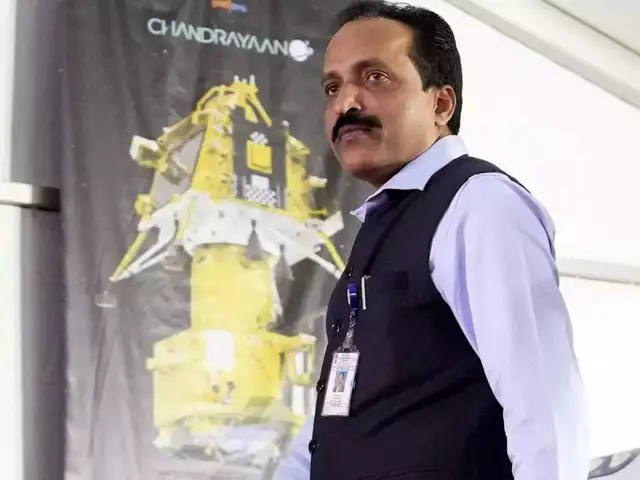
In 2019, India faced a tragic moment when ISRO lost contact with the Chandrayaan 2 lander 'Vikram' during its descent to the Moon. The incident brought forth a poignant moment as K Sivan, the former chief of ISRO, couldn't hold back his tears, and even the Prime Minister felt emotional. Yet, amid the tears and the hushed silence in ISRO's control room, a determination to rebound and soar again was taking shape.
Leading this Chandrayaan-3 mission was the main scientist, P. Veeramuthuvel, with Srikant serving as the mission director and Kalpana as the associate project director at ISRO. M. Sankaran served in the role of director, while S. Somanath held the position of chairman at ISRO. Among the team members was scientist Chayan Dutta from Assam. The mission targeted the Moon's South Pole, successfully achieving India's inaugural soft landing on the lunar surface.
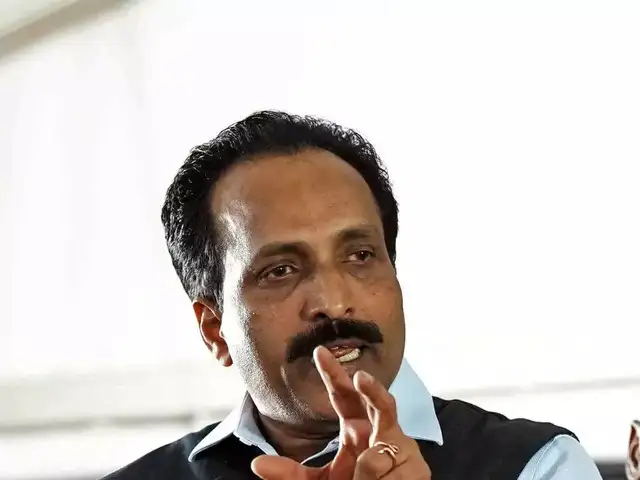
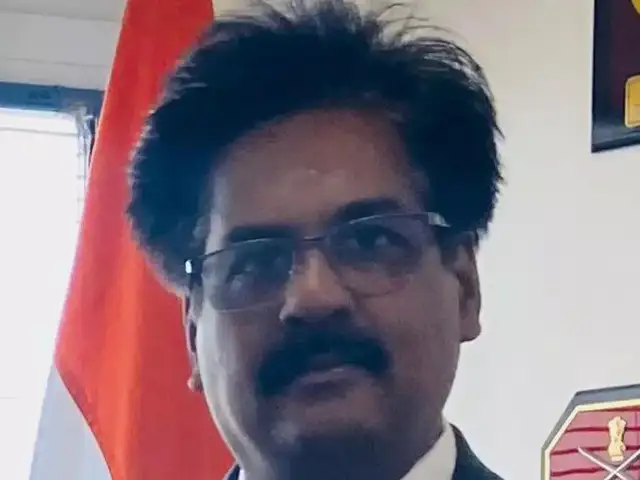

Now, let's delve into the educational qualifications and alma maters of Chandrayaan-3's leaders, exemplifying India's prowess in space exploration.
S. Somnath
ADVERTISEMENT
S. Somnath, currently holding the roles of Secretary at the Department of Space and Chairperson of the Space Commission, earned his BTech degree in Mechanical Engineering from TKM College of Engineering in Kollam. Additionally, he pursued a Master's in Aerospace Engineering at the renowned Indian Institute of Science in Bangalore, where he focused on structures, dynamics, and control, achieving a gold medal for his accomplishments.TKM College of Engineering: Founded in 1956 and officially opened on July 3, 1958, TKM College of Engineering is the first government-supported engineering college in Kerala. Located in Kollam, this esteemed institution has a storied history of providing outstanding engineering education.
M. Sankaran
M. Sankaran leads the UR Rao Satellite Centre (URSC), a top hub in India for crafting, creating, and launching satellites. He received a Master's degree in physics from Bharathidasan University, Tiruchirappalli, in 1986. Soon after, he joined the ISRO Satellite Centre (now URSC). His valuable skills and contributions have made him a key player in India's space exploration achievements.
Bharathidasan University: Established in February 1982, Bharathidasan University is named after the renowned Tamil poet Bharathidasan. With a wide academic structure, the university encompasses four faculties, 16 schools, 39 departments, and 29 specialised research centres. Offering a variety of educational choices, the university presents a total of 151 programmes to cater to diverse academic interests.
ADVERTISEMENT
Dr. V. Narayanan
Meet Dr. V. Narayanan, the Director of the Liquid Propulsion Systems Centre (LPSC), a crucial part of the Indian Space Research Organisation (ISRO). He's a respected expert in rocket propulsion. Since joining ISRO in 1984, Dr. Narayanan's skills have played a big role in India's space missions. His leadership at LPSC is key to developing propulsion technology that supports the country's space goals, boosting India's standing on the global space stage.
Dr. V. Narayanan is an alumnus of the Indian Institute of Technology Kharagpur. He excelled in his studies, earning his MTech in Cryogenic Engineering with top honours in 1989. His passion for learning led him to pursue a PhD in aerospace engineering, sharpening his skills even more. For his outstanding achievements, IIT Kharagpur awarded him a silver medal for his top rank in MTech. The Astronautical Society of India also honoured him with a respected gold medal for his remarkable contributions. Recognising his exceptional work, Sathyabama University, Chennai, awarded him an honorary degree of Doctor of Science (Honoris Causa) as a nod to his outstanding contributions.
ADVERTISEMENT
Dr. S. Unnikrishnan Nair
Meet Dr. S. Unnikrishnan Nair, an esteemed figure in space exploration. He's the director of both the Vikram Sarabhai Space Centre (VSSC) and the Indian Institute of Space Science and Technology (IIST) in Thiruvananthapuram. His academic journey began with a BTech in Mechanical Engineering from Kerala University. Fueled by a love for aerospace engineering, he pursued an ME from IISc Bangalore and later got his PhD in mechanical engineering from IIT Madras. Dr. Nair went beyond engineering, earning an MA in Telecommunications and Space Law from NALSAR.
Nair's professional path started in 1985 at the Vikram Sarabhai Space Centre in Thiruvananthapuram. He played a major role in different aspects of space exploration. Notably, he championed the Space Capsule Recovery Experiment (SRE), a groundbreaking re-entry experiment from start to finish, in 2007. His commitment and expertise have greatly pushed space technology and research forward, bolstering India's standing in the global space community.
ISRO chief Dr. S. Somanath did his B. Tech in Mechanical Engineering from TKM College of Engineering, Kollam and Masters in Aerospace Engineering from Indian Institute of Science, Bangalore with specialisation in Structures, Dynamics and Control. He joined GSLV MkIII Project during 2003 and was the Deputy Project Director responsible for overall design and integration of India’s heaviest and most powerful rocket. He was the Project Director of GSLV Mk-III (now LVM-3) from June 2010 to 2014. Prior to becoming ISRO Chairman, Somanath headed VSSC as its Director.
Download
The Economic Times Business News App for the Latest News in Business, Sensex, Stock Market Updates & More.
The Economic Times Business News App for the Latest News in Business, Sensex, Stock Market Updates & More.
Download
The Economic Times News App for Quarterly Results, Latest News in ITR, Business, Share Market, Live Sensex News & More.
The Economic Times News App for Quarterly Results, Latest News in ITR, Business, Share Market, Live Sensex News & More.
ADVERTISEMENT


