
Cerebral thrombosis (brain clot): 5 warning symptoms you should never ignore
1/7
What is cerebral thrombosis (brain clot)?
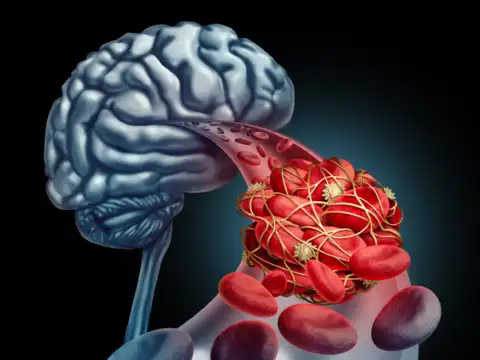
Cerebral thrombosis, often called a brain clot, occurs when a blood clot blocks a vein or artery in the brain. This restricts oxygen supply, potentially leading to stroke or severe brain damage.
2/7
Why recognizing symptoms matters
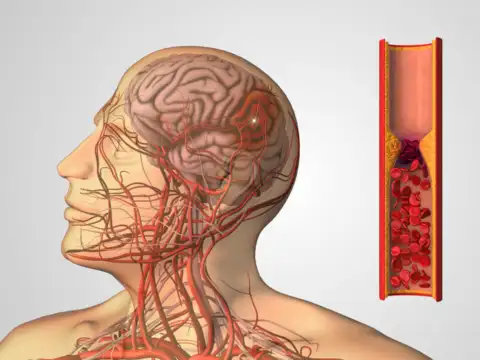
Brain clots develop silently but can have life-threatening consequences. Recognizing early symptoms is crucial because timely medical intervention significantly reduces risks of stroke, paralysis, or long-term brain injury.

3/7
Symptom 1: Severe headache
A sudden, intense headache, often described as the “worst headache ever”, may indicate a brain clot. Unlike normal headaches, this pain is persistent and doesn’t improve with common remedies.
Amazon Top Deals
POWERED BY


4/7
Symptom 2: Vision problems
Blurred or double vision, partial loss of sight, or sudden difficulty focusing may be signs of cerebral thrombosis. Vision changes usually occur on one side and demand urgent attention.

5/7
Symptom 3: Weakness or numbness
Unexplained weakness, numbness, or tingling in the face, arms, or legs, especially on one side of the body, could be a warning sign of a clot obstructing brain blood flow.
6/7
Symptom 4: Speech trouble
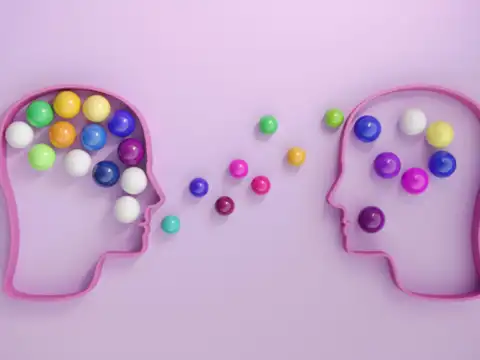
Slurred speech, difficulty forming sentences, or sudden confusion in understanding others are red flags of a clot. This symptom requires urgent medical attention.

7/7
Symptom 5: Dizziness and balance Issues
Unexplained dizziness, loss of coordination, or trouble walking may indicate oxygen deprivation in the brain caused by a clot. Seek immediate medical care if these appear.