
Blueberries help lower fatty liver risk? What experts say
1/6
What this means
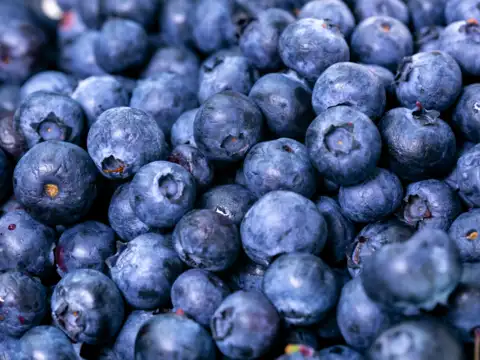
One large U.S. dataset analysis found that people who ate more anthocyanins had lower odds of fatty liver after adjusting for lifestyle and diet, and blueberries are a top anthocyanin source that fits easily into daily meals without fancy prep.
2/6
How blueberries could help
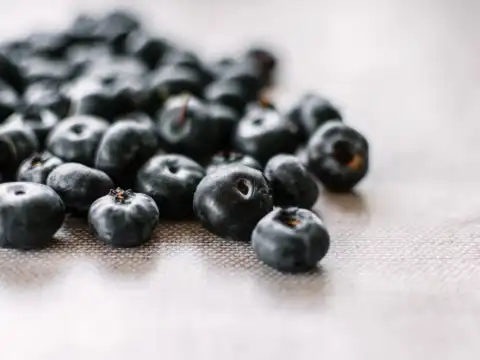
Researchers point to antioxidant and anti‑inflammatory effects that ease stress signals inside the liver, and early lab work shows blueberry compounds can reduce fat build‑up in liver cells and soften injury in animal models, which maps to the same pathways hepatologists try to calm with diet.
3/6
What this doesn’t promise
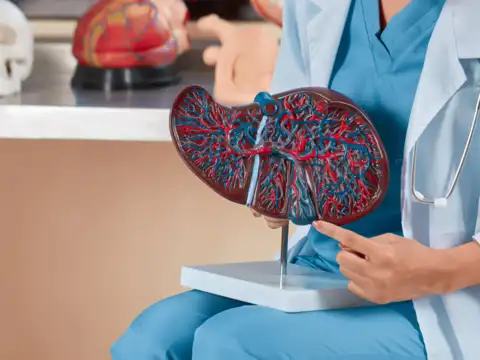
The human study didn’t show protection against liver fibrosis, and doctors still want more clinical trials; blueberries are best used as part of a bigger plan—steady steps, protein‑rich meals, fewer ultra‑processed foods, sound sleep, and thoughtful alcohol habits
Amazon Top Deals
POWERED BY

4/6
How to put it on the plate
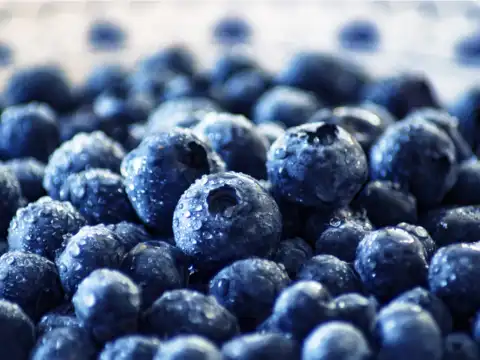
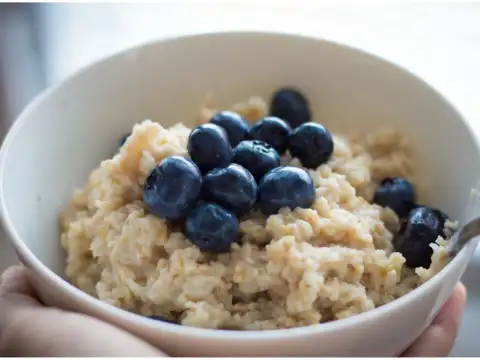
A simple target is half to one cup of fresh or frozen blueberries most days, stirred into yogurt or oatmeal or blended into a smoothie after lunch, because making the habit easy is what keeps it alive long enough to matter

5/6
What hepatologists actually say
Clinicians highlight blueberries for their polyphenols and anthocyanins, noting they can support liver health by lowering oxidative stress and inflammation and improving fat handling; they also remind patients that no single fruit replaces medical care or a full lifestyle plan.
6/6
A quick reality check
Evidence in people is growing but still young, so think of blueberries as a friendly daily nudge that moves the averages in the right direction rather than a cure; the goal is consistency over perfection.