
“Blood clots can strike anywhere — leg, arm, heart, or lung”—the warning signs you should never ignore
1/7
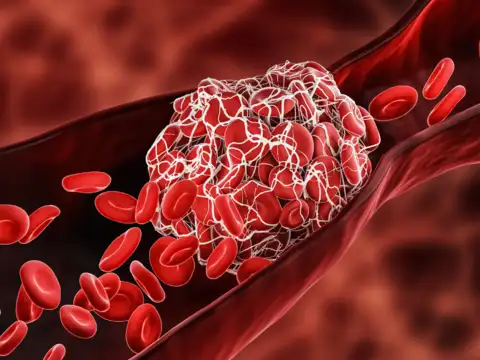
Blood Clots Can Strike Anywhere
An unexpected clot can lead to serious problems and even death. In an artery, it may trigger a heart attack or stroke, while a clot in a vein can cause pain, swelling, warmth, or redness. Recognizing these warning signs and acting quickly can save your life.
2/7
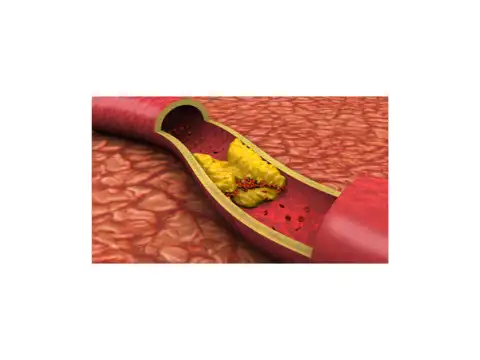
Clots in Arteries
When a clot forms in an artery, it can block blood flow to the heart or brain, causing sudden chest pain, shortness of breath, or weakness on one side of the body. Cardiologists stress that emergency care is essential because timely treatment can prevent permanent damage or death.

3/7
Clots in Legs (DVT)
Deep Vein Thrombosis occurs when a clot forms in a deep vein of the leg, usually in the calf or thigh. You might notice swelling, tenderness, warmth, or a reddish discoloration. Experts from the Cleveland Clinic highlight that early detection is vital to prevent clots from traveling to the lungs.
Amazon Top Deals
POWERED BY

4/7
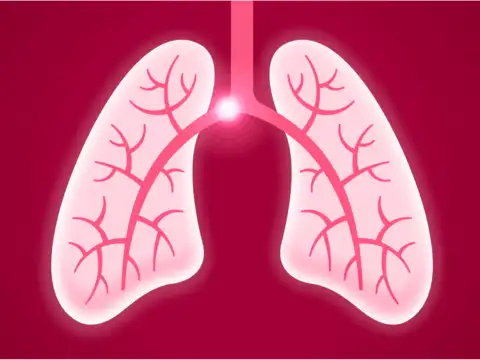
Clots in Lungs (Pulmonary Embolism)
If a clot moves to the lungs, it can cause sudden shortness of breath, sharp chest pain, or coughing up blood. Pulmonary embolism is life-threatening, and Harvard Health emphasizes that immediate medical attention is crucial to reduce the risk of fatal complications.
5/7
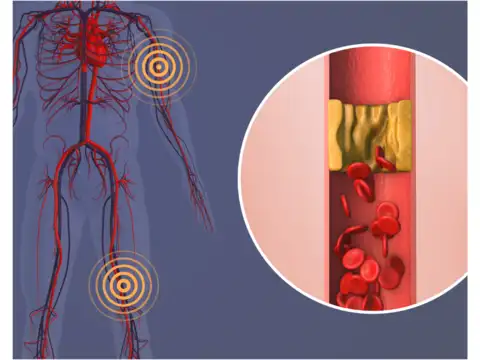
Clots in Arms
Though less common, clots can form in the veins of the arm. Swelling, a heavy feeling, or pain may appear in the affected limb. Vascular specialists advise prompt evaluation to prevent complications or the clot moving to more dangerous locations.

6/7
Risk Factors to Watch
Blood clots are more likely if you have prolonged immobility such as long flights or extended bed rest, recent surgery or injury, obesity, smoking, pregnancy, or hormone therapy. Knowing these risk factors helps in taking preventive measures and staying alert to early warning signs.

7/7
What You Should Do
If you suspect a clot, seek medical attention immediately. Avoid massaging the area, remain gently mobile, and follow professional guidance on medications or compression therapy. Early recognition and swift action are crucial to prevent serious and potentially life-threatening complications.
(Disclaimer: This content is for educational purposes only and does not replace professional medical advice. Consult a healthcare provider for diagnosis or treatment of blood clots.)
(Disclaimer: This content is for educational purposes only and does not replace professional medical advice. Consult a healthcare provider for diagnosis or treatment of blood clots.)