
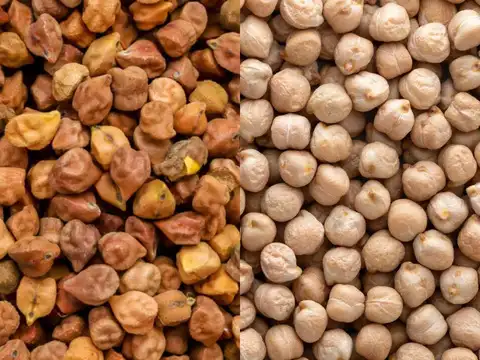
Black chickpeas vs white chickpeas: which is better for weight loss, protein goals, blood sugar control and more
1/8
Same family, different strengths
A story comparing black chickpeas (desi/kala chana) and white chickpeas (kabuli chana) for protein, fiber, blood sugar, heart health, weight goals, digestion, and cooking—plus quick picks for who should choose which.
2/8
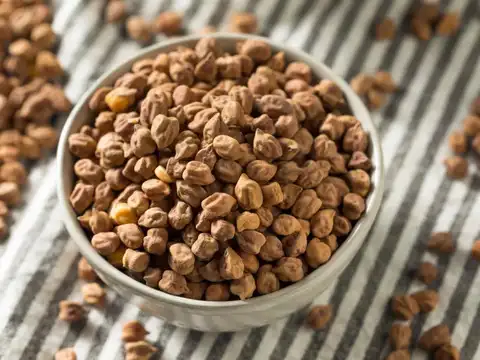
Protein: essentially a tie
Across studies, protein varies by variety and growing conditions, with overlapping ranges for desi and kabuli; some datasets show desi higher on average, others show minimal difference.Practically, both are strong plant proteins, so portion size and pairing with grains matter more than the color.
3/8
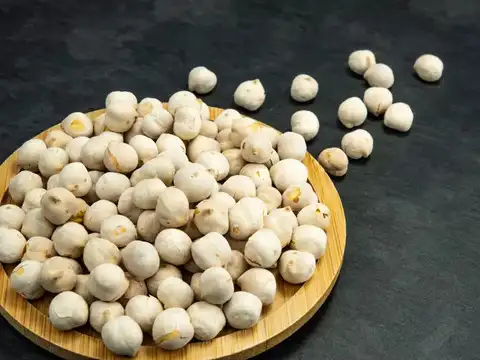
Fiber and fullness: edge black
Desi/black chickpeas usually have higher total and insoluble fiber because of thicker hulls, supporting satiety, bowel regularity, and a lower glycemic impact.More fiber means meals stay filling longer, which can help reduce snacking and support weight goals.
Amazon Top Deals
POWERED BY

Crompton Ozone 75 Litres Desert Air Cooler for home | Large & Easy Clean Ice Chamber | 4-Way Air Deflection | High Density Honeycomb Pads | Everlast Pump | Auto Fill| 3 Year Brand Warranty
₹9,798Buy Now43%
OFF

LG 32 L Convection Microwave Oven (MC3286BRUM, Black, 360° Motorised Rotisserie for Bar-be-queing, 301 Auto Cook Menu, Stainless steel cavity, Indian Cuisine, Tandoor Se, Steam Clean & Diet Fry)
₹19,340Buy Now19%
OFF
4/8
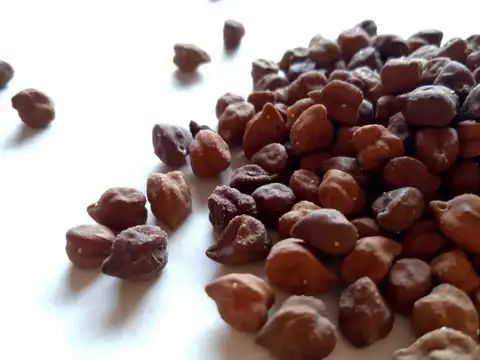
Blood sugar: edge black
Higher fiber and polyphenols in darker seed coats support a lower glycemic response; chickpeas overall are low‑GI, but desi varieties often trend lower.For diabetes‑friendly plates, black chana is a frequent pick, though kabuli still fits well within balanced, portion‑controlled meals.
5/8
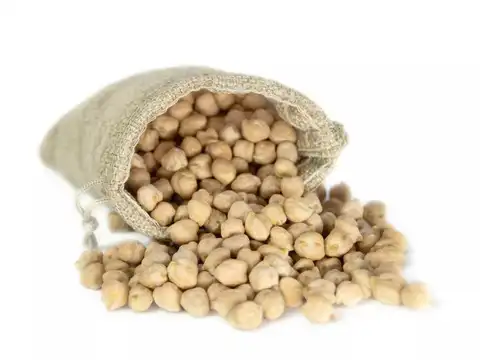
Heart health: slight edge black
Dark seed coats carry more phenolics and flavonoids, which are linked to antioxidant and cardiometabolic benefits; higher fiber also supports LDL reduction. Both support heart health when they replace refined carbs or processed meats, but black may offer more bioactives per gram.

6/8
Micronutrients: modest black advantage
Analyses often note higher iron and selected minerals, plus higher total phenolic content in desi/black, attributable to the thicker, darker seed coat.If iron intake is a priority, black chickpeas can be a sensible default, while still minding enhancers like vitamin C.
7/8
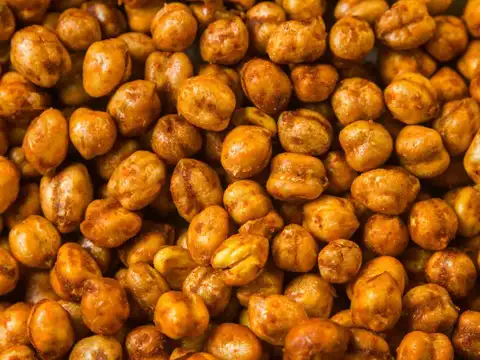
Digestion and tolerance: edge white
The same fiber that makes black chickpeas filling can cause bloating for sensitive guts; kabuli’s thinner coat and softer texture are often easier to tolerate. Soak well, cook thoroughly, and increase portions gradually to reduce GI discomfort with either type.
8/8
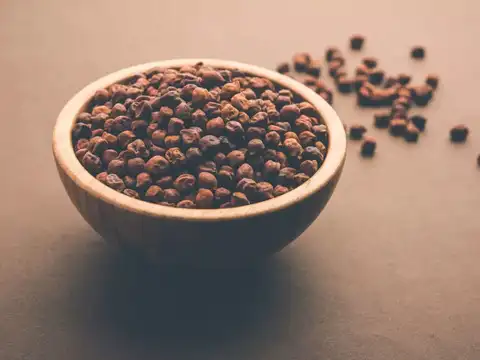
Weight management: both help; black leans stronger
Higher fiber and often slightly lower GI give black chickpeas a small advantage for fullness and glucose steadiness; kabuli still supports weight goals with smart portions. Focus on total plate: add vegetables, keep fats moderate, and watch add‑ons like ghee or creamy sauces.
(Disclaimer: The story is for general information purposes only. This does not substitute medical advice)
(Disclaimer: The story is for general information purposes only. This does not substitute medical advice)