
Big cats in MP: 12 South African cheetahs relocated to Kuno National Park
1/5
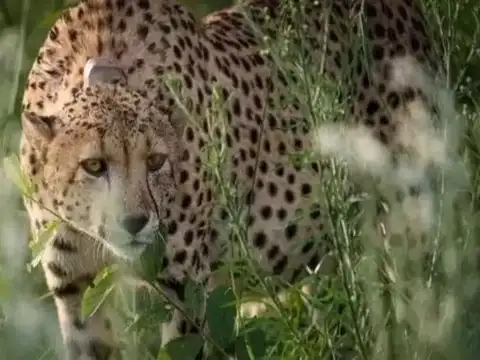
12 South African Cheetahs
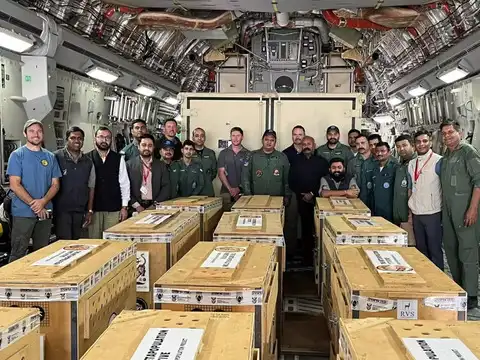
Twelve South African cheetahs arrived in India on Saturday as part of an ambitious project to reintroduce the spotted cats in the south Asian country and this is the second batch to be transferred. The big cats landed in their new country aboard an Indian Air Force C-17 Globemaster aircraft. (Image credit: Wiki West, Mosquito Media)
2/5
Plans to relocate over 100 more
The latest arrival is part of an agreement signed by South Africa in January to transfer more than 100 cheetahs to India over the next decade. Their resettlement "provides space for the expansion of the cheetah within its historical range", India's environment ministry said on Saturday.
3/5
Kuno National Park
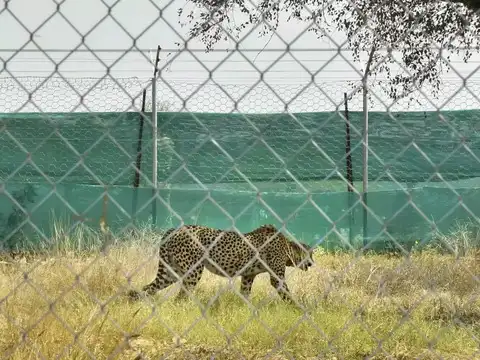
The 12 cheetahs from South Africa will join their Namibian cousins at the Kuno National Park, a wildlife sanctuary 320 kilometres south of New Delhi, selected for its abundant prey and grasslands. Quarantine enclosures have been created at the reserve for the newly arriving cheetahs, officials said.
Amazon Top Deals
POWERED BY

atomberg Studio Smart+ 1200mm BLDC Ceiling Fan with IoT & Remote | BEE 5 star Rated Energy Efficient Ceiling Fan | High Air Delivery with LED Indicators | 3 Year Warranty (Earth Brown)
₹5,882Buy Now36%
OFF

LG 32 L Convection Microwave Oven (MC3286BRUM, Black, 360° Motorised Rotisserie for Bar-be-queing, 301 Auto Cook Menu, Stainless steel cavity, Indian Cuisine, Tandoor Se, Steam Clean & Diet Fry)
₹19,340Buy Now19%
OFF
4/5
Experimental basis
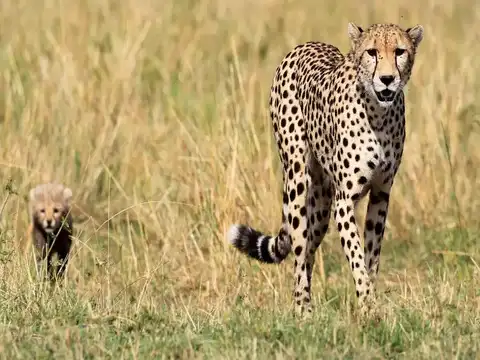
Efforts to reintroduce the animal gathered pace in 2020 when India's Supreme Court ruled that African cheetahs, a different subspecies, could be brought into the country on an experimental basis.
5/5
First intercontinental relocation
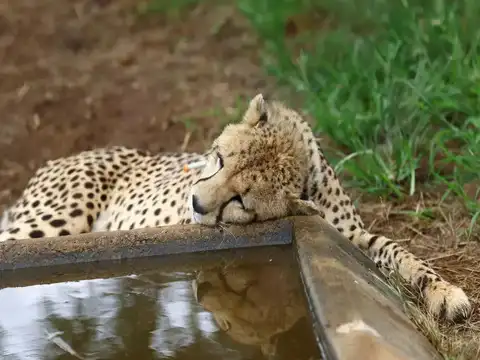
Their arrival is the first intercontinental relocation of the planet's fastest land animal. Cheetahs are one of the oldest big cat species, with ancestors dating back about 8.5 million years, and once roamed widely throughout Asia and Africa in great numbers. But today only around 7,000 remain, primarily in the African savannahs.